
The Story Behind Mutton Korma, a Pakistani Food Favorite
Mutton korma stands as a beloved emblem of Pakistani home cooking. It is a dish that invites conversation and slows time for a moment of shared pleasure. In kitchens Across the country, families begin with care: marinating meat, grinding spices, and warming ghee until the air fills with a warm, inviting aroma. The result is a velvety curry whose strength lies not only in flavor but also in the ritual of preparation. This is a dish that speaks of hospitality, of bringing people together, and of honoring simple ingredients through patient technique.
The Craft of Tender Mutton: Marinade and Slow Simmer
The journey of mutton korma begins with respect for the meat and attention to balance. Bone-in mutton pieces are often chosen for richness and texture. A gentle marinade of yogurt, a touch of salt, and a careful blend of ground spices helps the meat stay moist as it braises. The spices are layered with intention: a paste may combine coriander seeds, cumin, cardamom, cloves, cinnamon, and a hint of nutmeg. After the meat rests, cooks brown the pieces slightly to deepen flavor. Then comes the slow simmer. A quiet, steady heat allows the meat to soften while the sauce thickens. The process rewards patience: every hour of gentle cooking develops depth that no rush can bring. The result is meat that yields to the bite with a satisfying tension between tenderness and structure.
The Aromatic Core: Spices that Sing
Spices are the heart of mutton korma. They are toasted to wake their oils and fragrances, then ground to a fine, fragrant paste. This paste becomes the backbone of the dish. Turmeric offers warmth and color; coriander and cumin add citrusy and earthy notes; cardamom releases a bright, resinous perfume; cloves and cinnamon lend a gentle sweetness with shadowy spice. A bay leaf might drift through the sauce, adding a subtle layer of resin and gravity. The careful toasting and grinding bring a ring of aroma that fills the room as the pan heats. The spices do not shout; they converse, balancing heat with creamy richness and a touch of earthy warmth. Clear transitions between savory meat and smoothly spiced sauce make the curry feel both bright and grounded.
The Velvet Sauce: Yogurt, Nuts, and Cream
The sauce of mutton korma is a study in indulgent texture achieved through technique. Yogurt provides tang and helps keep the meat tender, while ground cashews or almonds contribute a gentle nuttiness and body. Some versions finish with a light cream or a splash of milk to create a satin sheen. A small amount of saffron milk or a touch of rose-water may drift into the mix, offering a delicate aroma that elevates the experience without overpowering the core flavors. The sauce glides over the meat, coating each piece with a luxurious coating that clings to the bones and fibers alike. Garnishes such as fresh cilantro or mint leaves add a bright, herbal finish that contrasts with the deep, warm sauce. The overall effect is a harmonious balance: rich, creamy, and deeply comforting, yet never dull.
The Table Experience: Accompaniments and Serving
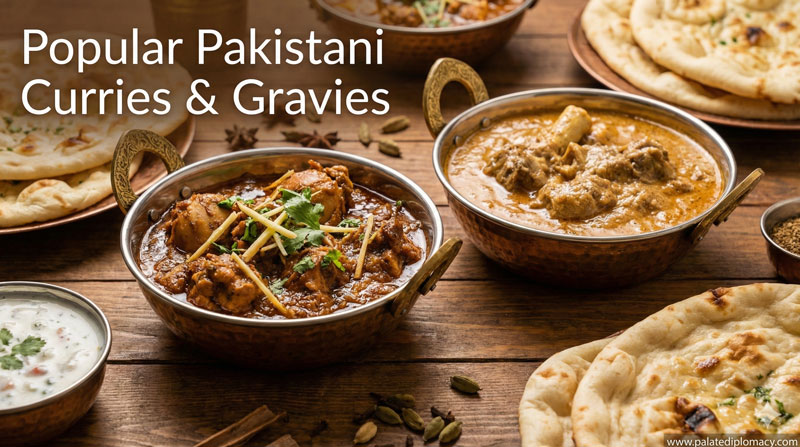
Mutton korma shines when plated with the right companions. Steamed basmati rice or fragrant pilaf provides a neutral counterpoint that lets the curry’s depth come forward. Flatbreads like naan or roti are excellent for scooping up the sauce and chunks of meat, turning every bite into a small ritual of tasting and delight. A side of cooling raita, made with yogurt and cucumber, offers a refreshing contrast to the curry’s richness. Pickles or achar bring a tangy sparkle that wakes the palate between bites. The table becomes a small stage where textures, aromas, and colors meet, inviting everyone to pause, share, and savor together.
Moments of Sharing: Occasions and Hospitality
The cultural value of mutton korma lies in its role as a dish of gathering. It appears during family meals that stretch through the afternoon, during festive weekends, and on special occasions when guests arrive with warmth and curiosity. Preparing korma is a gesture of care: it signals that time is taken to create something nourishing for loved ones. In homes, the act of cooking becomes a conversation itself—about memory, skill, and the joy of feeding others. The dish carries a sense of hospitality that is both generous and intimate: a recipe shared, a kitchen that welcomes, and a table where everyone is invited to eat, listen, and smile.
Regional Colors: Variations Across Pakistan
Across different regions, mutton korma adapts to local tastes and ingredients, while keeping its essential character. In some kitchens, coconut milk adds a light sweetness and a softer mouthfeel, balancing the richness with a coastal influence. In others, the yogurt-forward, tangy brightness remains the anchor, paired with a robust spice blend that leans toward earthier notes. The choice of fat—ghee or oil—also shapes the final texture and aroma. Regional cooks may adjust the level of heat, the ratio of nuts to dairy, or the finish with a touch of amber-colored saffron-infused milk. These variations celebrate diversity within a shared culinary tradition, proving that mutton korma can be a common thread across many homes while still reflecting local character.
The Generational Thread: Passing It On
Like many beloved dishes, mutton korma travels through families as a living tradition. Recipes are shared across generations, sometimes in whispered tips and sometimes in practiced demonstrations. Elders might emphasize the rhythm of the simmer, the timing of the spice paste, or the moment when the meat becomes tender enough to fall from the bone. Younger cooks learn by observing, tasting, and adjusting to the family’s palate. In this way, the dish remains dynamic and personal, even as its core method is respected and preserved. The act of cooking becomes a small ceremony of memory: a kitchen that keeps stories alive through aroma, texture, and flavor.
A Conclusion Rooted in Flavor and Culture
Mutton korma embodies more than a recipe. It stands as a graceful expression of hospitality, patience, and shared nourishment. The dish invites everyone at the table to slow down, notice the layers of spice, and savor the creamy harmony of sauce and meat. It reflects a culinary culture that values balance, generosity, and family connection. Whenever this curry graces a plate, it signals welcome, respect, and a celebration of everyday moments made special through thoughtful cooking. In short, mutton korma is a cherished favorite not only for its taste but for what it represents in the fabric of Pakistani Food Culture.