
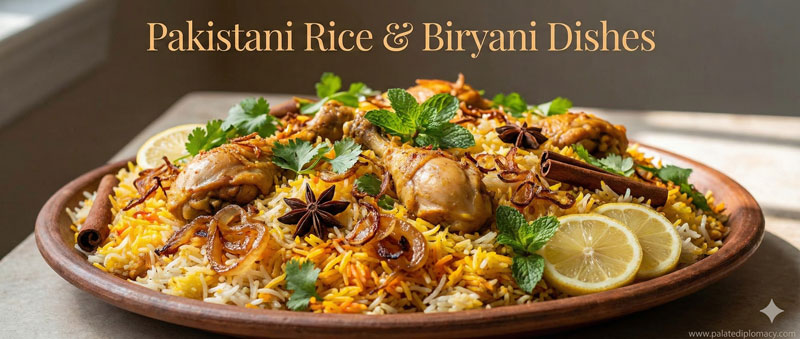
Why Chicken Biryani Is One of Pakistan’s Most Loved Dishes
Chicken biryani Shines in Pakistani kitchens with its bright colors, layered textures, and welcoming aroma. It welcomes friends and families alike and holds a special place on festive tables and everyday meals. This post explores its cultural value and culinary significance, celebrating the beauty of the dish and its role in Food Culture.
The Flavor and Technique
The heart of chicken biryani lies in careful layering and a mindful cooking pace. Marinated chicken with yogurt, mint, and spices becomes tender and fragrant. Basmati rice is parboiled to the perfect bite, then layered with the chicken, fried onions, and a saffron-mcented milk mist. The dum, or gentle steam, seals in juices and aroma. Whole spices—cardamom, cloves, cinnamon, bay leaves, cumin—add depth without overpowering. Fresh herbs, a hint of lemon or lime, and the glow of saffron give the dish its signature lift. The result is a harmony: savory chicken, aromatic rice, and a delicate glaze of spice that lingers in the memory. Each bite invites a sense of celebration and home.
Cultural Value: Hospitality and Togetherness
Biryani is more than a meal; it is a gesture of hospitality. In many households, preparing biryani becomes a shared ritual, with family members contributing to marination, frying onions, or fluffing rice. The dish often marks special occasions, from family gatherings to everyday moments of care. Its presence at a table signals warmth, generosity, and welcome. Eating biryani with others fosters conversation, stories, and a sense of belonging. The aroma alone can summon smiles and set a welcoming mood, inviting guests to sit, share, and enjoy.
Regional Variations: A Tapestry of Tastes
Across Pakistan, regional styles enrich the biryani story. Sindhi biryani tends to be bold in spice and often features potatoes, adding heartiness and contrast. Karachi-style biryani emphasizes a bright, clean spice profile with generous herb notes. Lahori or Multani influences may introduce different layering and finishing touches. Each style reflects local markets, seasonality, and family preferences. Yet all share a common thread: the care taken to balance texture, aroma, and vibrant color. This variety highlights how a single dish can adapt to neighborhood tastes while preserving its core identity.
Serving and Culinary Experience
When biryani graces the table, it is usually accompanied by cooling raita, crisp salad, and tangy pickle. The contrast between hot, spicy rice and cool sides enhances every bite. It is common to serve biryani in a large, shallow serving dish so everyone can scoop from the same layers, reinforcing togetherness. The experience is sensory: steam rising, saffron glow, nutty ghee aroma, and the crackle of fried onions. This ceremony of serving reinforces sharing and kinship, turning a meal into a memory.
Ingredients and Their Significance
Each component has its own story. Basmati rice represents everyday sustenance and light, fluffy grains. Chicken provides protein, comfort, and a familiar savor. Yogurt tenderizes and adds a gentle tang that balances heat. Fried onions deliver sweetness and texture, while herbs like mint and coriander brighten the finish. Spices—garlic, ginger, cumin, coriander, garam masala—are the flavor compass, guiding the palate through warmth and depth. Saffron or turmeric adds color and subtle luxury. Together, these ingredients tell a tale of land, season, and craft.
The Social Spirit of the Dish
Chicken biryani thrives in social settings. The act of cooking and sharing becomes a bridge between generations, families, and neighbors. It invites conversation about favorites, generations of recipes, and the joy of seasonal gatherings. The dish’s versatility—perfect for a casual family dinner or a larger celebration—contributes to its enduring appeal. Its beauty lies in How It brings people together, one fragrant spoonful at a time.
A Reflection on Culinary Pride
In the kitchens of Pakistan, biryani is more than a recipe; it is a testament to skill, patience, and heart. It demonstrates how texture, aroma, and color can work in harmony. The dish invites respect for tradition while welcoming personal touches. It celebrates generosity, hospitality, and the joy of sharing a meal that feels timeless and comforting.
Conclusion
Chicken biryani stands as a beloved ambassador of Pakistani food culture. Its layered technique, aromatic spices, and communal spirit make it a dish that feels both intimate and festive. By savoring its flavors, we honor the care of cooks, the warmth of gatherings, and the enduring beauty of a meal prepared with love.