
Introduction: Discover the Rich Flavors of Pulao
Discover the Rich Flavors of Pulao invites us to pause with a steaming bowl and listen to a story told by grains, spices, and shared moments. This dish sits at the crossroads of everyday meals and festive tables. It speaks softly of family kitchens, patient cooks, and the care that goes into building a single, fragrant pot of rice. The beauty of pulao lies not only in its aroma but in its ability to gather people around the table. It is a celebration of balance, where delicate grains meet bold spices, and where every bite carries a memory of practice, place, and purpose.
The Aromatic Heart: Ingredients and Techniques
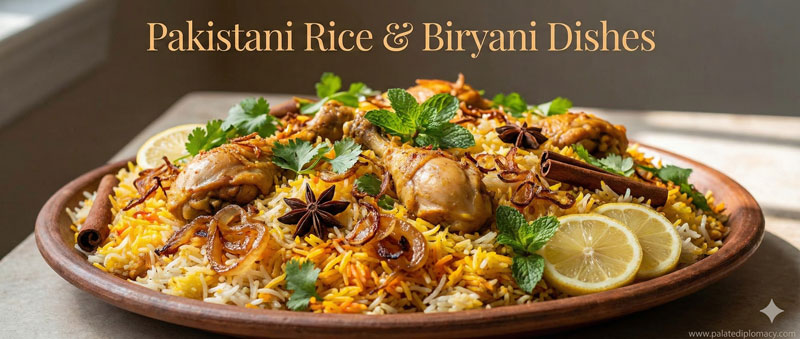
At the core, pulao blends long-grain rice with a palette of spices that awaken the senses. Basmati is a common choice for its pale, slender grains that stay separate when cooked. Ghee or oil coats each grain, creating a silky gloss and a gentle sheen. Cumin, bay leaf, cinnamon, cloves, and cardamom provide a warm backbone. Saffron or a splash of color from turmeric adds depth and a sunny hue. Onions soften slowly, releasing sweetness; garlic and ginger offer a bright, clean lift. Nuts and dried fruit—almonds, pistachios, or raisins—often join the mix, adding crunch and occasional sweetness.
The technique matters as much as the ingredients. Rinsing the rice removes surface starch, helping the grains stay distinct. A brief soak can also improve texture. The spices bloom in hot oil before the rice is added, releasing fragrance that perfumes the entire kitchen. Liquid—water or stock—must be measured with care so the rice steams above the surface without boiling. A gentle simmer, a quiet rest after cooking, and a light fluff with a fork preserve the grains’ character. The result is a dish with clear aroma, tender bite, and a clean finish that invites another mouthful.
regional voices: Variations across places and families
Pulao wears many regional accents, and each one tells a different story of climate, crops, and tradition. In one region, a touch of saffron gilds the grains, while in another, a drizzle of lemon juice brightens the pot. Some kitchens favor a meat option—lamb, chicken, or beef—that mingles with the rice through a short, gentle braise. Others rely on vegetables, creating a vibrant, colorful bowl that remains light on the palate. The base technique—sautéing aromatics, layering flavors, and steaming the rice—stays steady, while the spices and add-ins shift with local preferences.
This diversity highlights the dish’s adaptability. It fits a simple weekday meal and also shines on a larger table for special occasions. The same method serves with a handful of fresh herbs, a few crunchy nuts, and a handful of fruit. In each case, pulao preserves its essence: the union of rice with a chorus of spices that echo the land’s harvest and the cook’s careful hands.
The culture of sharing: Hospitality and meals
Pulao embodies hospitality in many households. A pot of pulao appears when guests arrive, when a family gathers after a long day, or when a meal is planned to mark a gentle milestone. It is a dish that says, “You are welcome.” The act of serving pulao demonstrates care—presenting a warm dish, inviting others to savor, and offering seconds with a smile. The shared bowl, the passing of utensils, and the timing of the first bite all contribute to a small ritual of togetherness. In this way, pulao becomes more than food; it becomes a social thread that holds conversations, memories, and the rhythm of everyday life.
Food and culture intertwine in the choice of accompaniments. A cool cucumber salad, a bright yogurt sauce, or a tangy pickle can illuminate pulao without overpowering it. Tea or a light fruit dessert often follows, providing balance and closure. The meal becomes a harmonious experience where flavor, texture, and atmosphere reinforce one another, and everyone leaves with a sense of warmth and satisfaction.
Textures and harmony: Flavor profiles that linger
The beauty of pulao lies in its texture—the soft, separate grains contrasted with the occasional crunch of nuts, the gentle chew of vegetables, and the delicate bite of plump raisins or dates. Flavor unfolds in layers: a savory base from the onions and spices, a bright lift from citrus or herbs, and a mellow richness from ghee or oil. The interplay of warm spices with fresh aromatics creates a lasting impression that lingers pleasantly on the palate.
Seasonality often guides the choice of ingredients. In cooler months, richer spices and a touch of dried fruit can feel especially comforting. In warmer seasons, lighter herbs and citrus accents brighten the dish. This seasonal adaptability reinforces pulao’s role as a responsive, comforting staple across kitchens and cultures.
Crafting pulao at home: Tips for authenticity and joy
To honor the dish’s cultural value, approach pulao with simple, respectful steps. Start with good rice: choose long-grain basmati for its fragrance and clean separation. Rinse and soak briefly if you like, then prepare a mild spice bloom of cumin, bay leaf, and a touch of cinnamon. Use a calm simmer and a light hand with liquid; let the grains steam gently. Layer flavors by sautéing aromatics first, then adding the rice and liquid in balance. Finish with a gentle rest, so the grains can settle and the flavors can harmonize.
Seasonal tweaks keep the dish lively. Try a few toasted almonds for crunch, a handful of raisins for sweetness, or a squeeze of lemon for brightness. Fresh herbs like cilantro or mint can lift the aroma without overpowering the core flavors. Each home can tailor pulao to its pantry while preserving the essential voice of the dish: fragrance, warmth, and care.
Conclusion: A timeless link through taste
Pulao stands as a bridges between daily meals and special moments. It invites cooks to slow down, savor the process, and honor ingredients that come from the earth. It welcomes guests with its aroma and sustains conversation with its comforting texture. In every bowl, pulao carries a quiet, enduring message: food is culture, and culture is best shared.
If you seek a dish that celebrates hospitality, balance, and the beauty of spice, consider the journey of pulao. Its richness is not just in flavor, but in the way it links kitchen craft to human warmth. With each spoonful, you glimpse the heart of a food tradition that values simplicity, patience, and connection.