
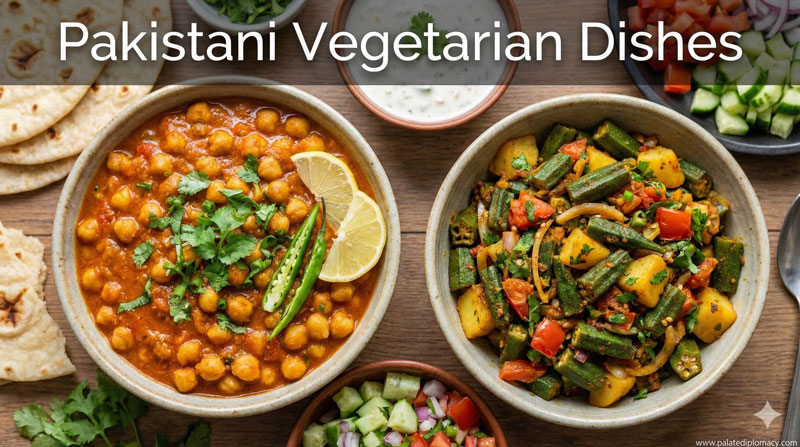
Introduction: The Allure of Daal Makhani in Pakistani Cuisine
Daal Makhani Shines in kitchens across Pakistan, inviting everyone to slow down and savor. Its creamy texture, rich aroma, and comforting presence make it a centerpiece of meals at home, in eateries, and at festive gatherings. This post explores the dish’s cultural value and culinary significance, focusing on how it fits into the heart of Pakistani food culture. The Story is one of warmth, hospitality, and the shared joy of a meal made with care.
Deep Roots in Punjabi Traditions
Punjabi kitchens cradle dal makhani as a cherished classic. The dish elevates simple ingredients—lentils, dairy, tomatoes, and spices—into something luxurious and deeply satisfying. Home cooks and chefs alike honor a patient cooking rhythm: gentle simmering, careful stirring, and a final touch of richness. The result is a dish that speaks of family evenings, street corners, and restaurant tables where memories are formed around a single, fragrant pot. Its presence in Pakistani cuisine signals a love for depth of flavor and a devotion to nourishing, generous portions.
The Culinary Craft: From Pot to Plate
The craft behind dal makhani blends technique with affection. Whole urad dal and sometimes kidney beans are soaked, rinsed, and slowly cooked until their skins soften and the flavors mingle. A silken sauce forms as tomato, garlic, ginger, cumin, coriander, and a hint of chili mingle in a low, steady heat. Butter and cream are stirred in late, giving the dish a velvety finish that clings to each grain and bean. The name makhani itself evokes this buttery richness, a symbol of indulgence that remains approachable in everyday kitchens. The beauty lies in balance: creaminess without heaviness, warmth without overpowering spice, and a glossy sheen that invites the next spoonful.
A Sense of Hospitality on Every Table
Dal makhani embodies hospitality in its very texture and aroma. When the pot is set on the table, it signals welcome and togetherness. Families gather around steaming bowls, sharing stories as the dish’s scent drifts through the room. The way it pairs with soft bread, fluffy basmati, and crisp pickles creates a chorus of textures and flavors that feels generous and comforting. In many homes, the dish becomes a reliable friend—a steady, reassuring presence during daily meals and special occasions alike. Its cultural value rests in its universal appeal and its ability to bring people closer.
Pairings, Occasions, and Table Language
In Pakistani cuisine, dal makhani finds a natural home beside naan, roti, or rice. The creamy sauce clings to bread, making every bite harmonious and satisfying. It also finds a place on festive tables, where multiple dishes share the spotlight and diners navigate a tapestry of flavors with curiosity and joy. The dish often accompanies seasonal favorites and celebratory feasts, reinforcing its role as a bridge between everyday meals and moments worth marking. The combination of texture, aroma, and balanced spice speaks a common language of comfort and sharing.
Modern Voices: Adaptations Within Tradition
Today, dal makhani continues to evolve while honoring its roots. Chefs experiment with milder or bolder spice profiles, different dairy intensities, and selective reductions to suit contemporary palates. Yet the essence remains: a creamy, soulful lantern on the stove that invites conversation and tasting. In homes and restaurants, the dish maintains its place as a reliable symbol of care, hospitality, and culinary artistry. The modern touch keeps its heritage alive while making room for new preferences and seasonal ingredients.
Keeping the Flame Alive: Tips to Recreate Daal Makhani at Home
- Soak the lentils and beans for several hours to soften them before simmering.
- Start with a gentle nutty aroma from onions and garlic, then build the tomato base.
- Simmer slowly, stirring occasionally, until the mixture is thick and glossy.
- Finish with a generous swirl of butter and a touch of cream for the signature richness.
- Adjust salt and spices gradually to balance creaminess with warmth.
- Garnish with fresh coriander and a hint of cream to create a visual and aromatic finish.
- Pair with warm naan or fluffy basmati rice for A Complete experience.
Conclusion: A Dish That Feels Like Home
Daal makhani holds a peaceful, inviting place in Pakistani cuisine. It celebrates patience, craft, and sharing—the quiet magic that turns a simple pot into a gathering. Its creamy, comforting texture and its ability to bridge everyday meals with special occasions make it more than a dish; it is a cultural touchstone. By honoring its flavors and techniques, we honor the people who make and enjoy it, day after day.