
Introduction
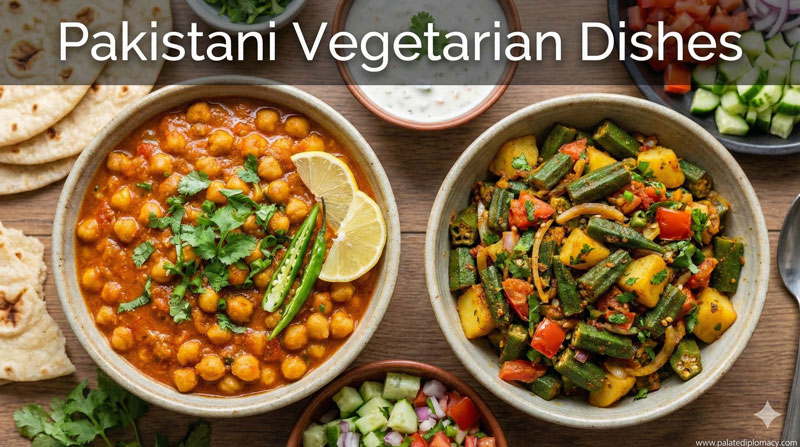
How Mixed Vegetable Curry Became Popular in Pakistani Cuisine is a celebration of warmth on a plate. This dish reflects a gentle fusion of techniques and flavors that many homes in Pakistan treasure. It invites cooks to honor seasonal vegetables and to welcome variety into everyday meals. The dish stands as a bright, comforting symbol of hospitality, care, and shared nourishment. In short, it is a flavorful bridge between pantry staples and family moments.
A dish that speaks to everyday life
This curry is built for daily meals. It welcomes a range of vegetables, from humble potatoes to sweet peas and carrots, and even seasonal gourds. The result is a colorful, fragrant curry that can adapt to what is available. The beauty lies in its accessibility. With simple spices and a forgiving cooking method, it invites home cooks to experiment while keeping a familiar, comforting core. The dish thrives on the idea that good food comes from thoughtfully chosen ingredients and steady technique.
Core elements: vegetables, spices, and balance
The heart of the dish lies in its vegetables. A mixed vegetable curry blends textures and colors, from crisp carrots to soft cauliflower. The spice blend is the second key element. Cumin, coriander, turmeric, and chili lay a warm, inviting foundation, while garam masala adds a final lift. Onions, garlic, and ginger provide aroma and depth. Tomatoes or a tomato base give body, and a touch of oil brings the flavors to life. The balance between heat, tang, and sweetness makes the curry versatile and memorable.
Technique: tempering, simmering, and harmony
Cooks begin with a gentle tempering of spices in hot oil to wake their aroma. Then the onions soften and turn golden, and garlic and ginger release their perfume. Vegetables are added with a liquid base, such as water or light stock, and simmered until tender. The goal is to let flavors mingle without losing the character of each vegetable. Finally, the curry rests briefly so the spices settle, producing a cohesive, vibrant sauce. This method creates a dish that feels both fresh and comforting.
Sensory story: aroma, color, and texture
The kitchen fills with a fragrance that says “home.” The color palette ranges from earthy browns to bright greens and warm oranges. The aroma comes from toasted spices and simmering vegetables, inviting everyone to the table. Textures vary from soft, yielding vegetables to a silky, lightly thick sauce. Each bite offers a gentle blend of sweet, tangy, and savory notes. The overall sensation is satisfying without being heavy.
Cultural value: hospitality, family, and shared meals
In Pakistani culture, food is a language of welcome. A mixed vegetable curry often appears during family dinners, weekend gatherings, and festive preparations. It embodies generosity, offering a dish that can feed many with care. The dish also highlights regional pride, as cooks adjust the vegetables and spices to reflect local tastes. It becomes a canvas for memory, where each family adds a personal touch—whether a Favorite spice ratio or a preferred vegetable mix.
Regional variations: a tapestry of flavors
Punjab, Sindh, Balochistan, and Khyber Pakhtunkhwa each bring subtle differences. Some regions favor a brighter tomato base, others lean toward a creamier finish with yogurt or coconut. Spice levels vary, too, from gently fragrant to warmly bold. Yet the core idea remains the same: a medley of vegetables, seasoned with depth, simmered to harmony. This variety enriches the dish and reinforces its place in a shared culinary language.
Serving and pairing: the table’s harmony
Pair the curry with soft roti or fragrant basmati rice. A dollop of yogurt on the side adds creaminess, while fresh cilantro offers color and brightness. Pickles or a tangy chutney can provide a playful counterpoint. The dish also adapts to seasons and occasions, making it a reliable choice for weeknights and special meals alike. The pairing emphasizes balance and simplicity, letting the vegetables shine.
Modern takes: home cooking with fresh ideas
Today, many households keep this curry at the center of their weekly menus. Home cooks experiment with garden vegetables, swapping in seasonal produce to keep the dish lively. Quick-cooking methods and modern kitchen tools help preserve texture and brightness. Despite these changes, the dish remains rooted in tradition: respect for ingredients, careful seasoning, and a generous spirit at the table.
Conclusion
How Mixed Vegetable Curry Became Popular in Pakistani Cuisine celebrates a dish that honors everyday life and shared joy. Its cultural value lies in its adaptability, warmth, and inclusive appeal. The culinary significance rests in its respectful balance of vegetables and spices, its invitation to creativity, and its promise of comfort in every serving. This curry stands as a flavorful testament to the beauty of Pakistani Food Culture and the happiness found around the family table.