
The Story Behind Chickpea Curry, a Pakistani Food Favorite
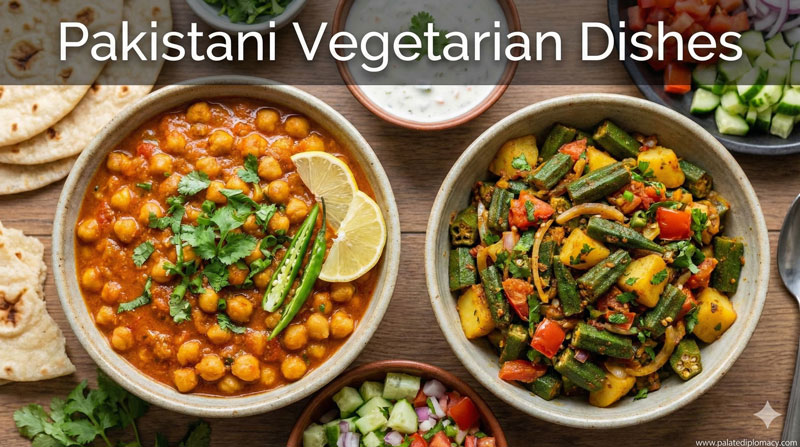
Chickpea curry Shines in homes across Pakistan as a comforting, flavorful staple. The dish blends simple ingredients into a warm, fragrant bowl that welcomes everyone to the table. Its appeal rests on balance: tender chickpeas, a rich tomato-onion base, and a chorus of spices that sing without shouting. This curry is more than food; it is a daily expression of hospitality, family care, and shared joy. Each spoonful carries memories of kitchens where the pot steams gently, the aroma travels through the house, and conversations flow as freely as the steam from the simmering sauce. In every region, cooks bring their own touch, making the dish feel both familiar and wonderfully new.
Core Elements: Ingredients, Texture, and Technique
The heart of the dish is humble chickpeas, often soaked or slow-cooked until soft yet firm. A onion-garlic-ginger base provides sweetness and depth, while tomatoes add brightness and body. Tempered spices—seed spices like cumin and coriander, along with turmeric, chili, and garam masala—build warmth and aroma. A touch of tang from amchur or a squeeze of lemon can brighten the finish. The technique matters as much as the ingredients: sizzling spices awaken in oil, onions soften to release sweetness, and the chickpeas slowly take on the sauce’s color and flavor. The result is a sauce that clings to each chickpea, with a silky texture and a lively, accessible heat. The dish benefits from a gentle simmer, allowing flavors to meld while keeping chickpeas pleasantly tender.
Regional Voices: Punjabi, Sindhi, and Beyond
Across Pakistan, cooks tailor the curry to local palates and harvests. In Punjab, robust spice warmth blends with a hearty texture, producing a comforting, homey pot that shines with garam masala notes. Sindh brings a brighter acidity and sometimes a touch of tamarind or fresh tomato brightness, giving the curry a lively, tangy edge. In other regions, cooks incorporate regional aromatics or herbs that suit the climate and the family’s favorites. Yet the core remains the same: chickpeas embracing a sauce that is both bright and comforting. This shared approach across diverse kitchens underscores how a single dish can carry many voices while staying true to its essence.
Serving Traditions: How It Becomes a Meal for Everyone
Chickpea curry is versatile at the table. It pairs beautifully with steamed rice, fluffy naan, or chewy roti, offering different textures with the same comforting sauce. A bowl of yogurt or a tangy pickle on the side provides a friendly counterpoint to the curry’s warmth. In gatherings, the dish invites conversation and sharing: a large pot at the center, bowls passed around, and aromas that signal “welcome.” The dish works for everyday meals as well as special occasions, emphasizing a culture that values generosity and togetherness. Whether served to a family of four or a larger gathering, the curry sustains not just bodies but spirits.
Crafting the Experience at Home: Practical Tips
To begin, soak dried chickpeas overnight for smoother texture, or use quick-cooking varieties with timing adjusted accordingly. Build flavor in layers: start with whole spices in hot oil, then add aromatics, followed by the chopped tomatoes, and finally the chickpeas and their liquid. Keep the simmer gentle so the chickpeas stay intact and the sauce thickens gracefully. Finish with fresh cilantro and a squeeze of citrus to lift the aroma. Garnish with a drizzle of olive oil or a light shower of garam masala for a final aromatic bloom. This approach yields a curry that tastes like time spent in a warm kitchen, offering both comfort and a sense of place.
A Dish of Dialogue: The Enduring Beauty of the Curry
The Story of chickpea curry is a celebration of flavor, texture, and shared meals. It honors tradition while inviting personal touches—from regional spice adjustments to family-made tweaks. The dish teaches patience, balance, and generosity: patience in simmering, balance in spice, and generosity in serving. When you savor it, you taste a culture that cherishes everyday meals as occasions for connection. And as the bowl empties, it lingers in memory, inviting you to return, to cook, and to share once more.