
Introduction: A Dish Rooted in Home and Heart
Aloo bhindi, a simple blend of potatoes and okra, shines in Pakistan for reasons that go beyond taste. It is a dish that echoes daily life, family kitchens, and the careful craft of home cooking. Each bite carries memories of a bright pan, the aroma of spices blooming, and the quiet joy of sharing a meal with others. This dish is not just food; it is a thread in the fabric of Pakistani Food Culture. It welcomes cooks of all levels and invites everyone to savor the balance of heartiness from the potatoes and the tender crunch of okra. In this post, we explore What Makes aloo bhindi special, focusing on its cultural value and culinary significance.
The Core Ingredients and Flavor
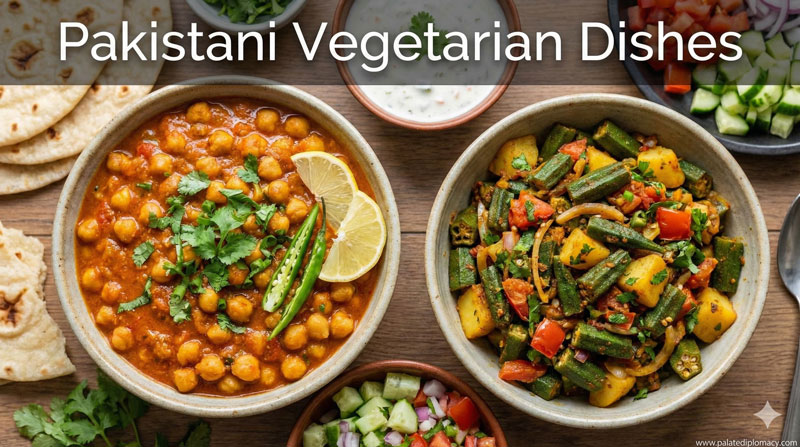
The star pair—aloo (potato) and bhindi (okra)—offers a comforting harmony. Potatoes bring warmth and substance, while okra adds a distinctive, slightly slippery texture that becomes creamy when cooked well. The spice lineup is modest but precise: cumin seeds, turmeric, coriander powder, red chili, garlic, and ginger. A touch of tomato or tomato paste adds brightness, and a hint of fresh cilantro at the end lifts the dish with color and aroma. The beauty of this recipe lies in balance: the earthiness of potato, the fresh bite of okra, and the savory-sour lift from tomato and onion. The result is a dish that feels wholesome, approachable, and deeply satisfying to the palate.
Techniques That Shape Its Character
What gives aloo bhindi its signature character is technique. The potatoes are often par-cooked to stay soft inside while the vegetables develop a glossy finish. Okra is cleaned and chopped to avoid extra moisture, then sautéed on a hot pan to crisp the edges. Spices are tempered in hot oil to release their aromas, and onions are sautéed until they glow. Tomatoes are added for a tangy sweetness that binds everything together. The dish finishes with a quick simmer so the flavors mingle without turning the okra mushy. This combination of crisp edges and tender centers creates a pleasing textural contrast that many describe as comforting and inviting.
Regional Expressions Across Pakistan
Pakistan’s regions color this dish with subtle differences. In Punjab, a straightforward spice blend keeps the flavors bold and vibrant, aligning with the region’s love of hearty, home-cooked meals. Sindh adds a touch more sweetness or a hint of tartness from ripe tomatoes, giving the dish a gentle depth. In Khyber Pakhtunkhwa and Balochistan, cooks may lean slightly toward aromatic elements like garlic, ginger, and fresh herbs that brighten the dish and elevate its fragrance. Across these regions, aloo bhindi remains a versatile canvas: it adapts to different palates while preserving its core identity. The shared practice is to serve it with warm bread or fluffy rice, letting each bite carry the familiar comfort of a kitchen that welcomes everyone.
The Cultural Value: Meals, Hospitality, and Community
In Pakistan, food is a language of hospitality and care. Aloo bhindi embodies that spirit in several ways. It is a dish that a family can prepare on a weekday without fuss, yet it also lends itself to larger gatherings where neighbors or relatives share a pot and a story. The simplicity of the ingredients invites inclusivity; it is easy to prepare in larger quantities for a crowd, making it a reliable go-to for meals that must nourish many mouths. The dish also reflects seasonality and local produce. When okra is in season, it shines with a fresh vibrancy; when potatoes are plentiful, the dish feels heartier. The practice of balancing flavors and textures mirrors a broader cultural value: care in cooking reflects care for the people who will eat. Aloo bhindi is a gentle ambassador of home cooking, steady and comforting, yet capable of surprising with its depth.
Pairings, Presentation, and Seasonal Spirit
Traditionally, aloo bhindi is served with roti, chapati, or plain steamed rice. A dollop of yogurt or a cool raita on the side can provide a refreshing contrast. Fresh cilantro sprinkled on top adds a bright finish, and a wedge of lemon can lift the dish with a citrusy note. The preparation invites a shared serving style, where bowls sit on the table and conversation flows as freely as the steam from the pan. The dish also carries a seasonal rhythm: in harvest months, the produce feels crisp and vibrant; in cooler months, the flavors feel warmer and more comforting. This sense of seasonality deepens its role as a staple that accompanies daily life rather than a flashy centerpiece.
Simple Tips for Celebrating Aloo Bhindi at Home
- Choose the right okra: small, tender pods with a smooth surface cook best and stay crisp.
- Dry thoroughly: pat the okra dry after washing to reduce slime and ensure a good sear.
- Prep potatoes in uniform sizes: even pieces cook evenly and maintain texture.
- Use high heat for a crisp finish: a hot pan helps brown the edges quickly and lock in flavor.
- Temper spices to bloom aroma: add cumin seeds and garlic-ginger paste to hot oil before adding vegetables.
- Finish with freshness: cilantro and a light squeeze of lemon brighten the dish just before serving.
A Closing Note on Food and Craft
Aloo bhindi remains a beloved testament to the beauty of everyday cooking. It shows how a few humble ingredients, treated with care and respect, can become something deeply meaningful. The dish invites cooks to slow down just enough to hear the sizzle, to notice the color change as onions soften, and to feel the comfort that comes from sharing a warm meal with others. In homes across Pakistan, this simple pairing of potato and okra holds a place of honor as a reliable, comforting, and culturally rich dish. It is, in many ways, a celebration of flavor, technique, and the social joy of eating together.