
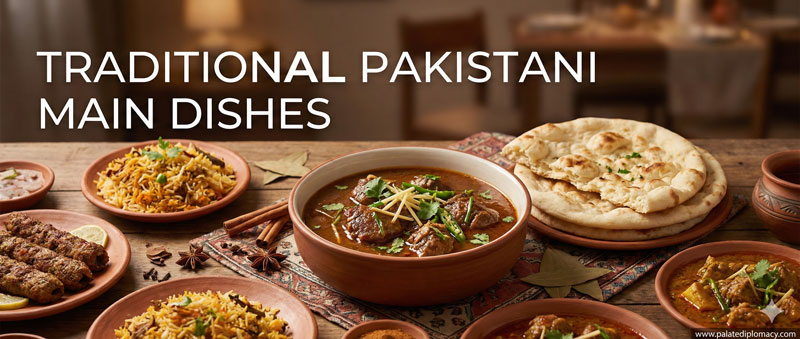
Why Haleem Is One of Pakistan’s Most Loved Dishes
Haleem stands out in Pakistan’s Food Culture for its slow, patient craft and its warm, welcoming flavors. This dish captures how communal meals can become a cherished ritual. In many kitchens, Haleem is more than food; it is a time for gathering, sharing stories, and savoring each carefully layered bite. Its enduring popularity comes from a blend of technique, ingredients, and a sense of place that Makes It feel like home no matter where you enjoy it.
A Slow-Cooked Symphony
The magic of Haleem begins with time. It cooks slowly, sometimes overnight, until the grains—wheat or barley—and lentils dissolve into a smooth, creamy texture. Meat swells with tenderness, yielding a deep, comforting bite. Stirring becomes a quiet ritual in itself, a daily act that binds cooks and households across generations. The slow process builds layers of flavor that cannot be hurried, and that patience is felt in every spoonful.
Texture, Taste, and Aroma
Haleem is celebrated for its harmony of textures. The base is creamy and rich, yet it remains distinctly hearty thanks to the essential grains. The meat adds savor without overpowering the mélange of spices. A bright note comes from lemon juice or a squeeze of fresh lime just before serving, lifting the dish. Crisp fried onions provide a sweet, caramelized crunch, while fresh cilantro and green chilies offer a fresh, peppery lift. This balance—creamy, meaty, tangy, and bright—defines Haleem’s charm and makes it a sensory favorite across households and eateries.
Cultural Rituals Around the Pot
In many homes, Haleem is prepared with a sense of ceremony. The kitchen becomes a space of focus and care, where every stir is a quiet nod to tradition. Sharing Haleem often marks a moment to slow down, to listen to the bubbling pot, and to welcome guests with warmth. The dish invites conversation about favorite garnishes, tweaks in spice, and memory-filled stories. This social gravity is a key part of Haleem’s cultural value: it brings people together, turning a meal into a meaningful, shared experience.
Ingredients as Storytellers
Each component of Haleem tells a story about place and season. Wheat or barley provides the backbone, lending depth and body. Lentils add nourishment and a velvety texture that makes the dish feel substantial yet refined. Meat anchors the dish with richness and umami. Spices—such as cumin, coriander, garam masala, turmeric, and chili—contribute warmth and complexity, echoing the culinary map of the region. The garnishes—citrus, fried onions, herbs—are like final cues in a symphony, brightening the dish and revealing its freshness. Together, these elements convey a culinary language that is both rooted and evolving, spoken anew in every kitchen.
Regional Variations and Family Traditions
Across regions and households, Haleem can carry subtle differences, and these variations are a celebration of diversity within a shared love. Some cooks favor chicken or mutton; others use beef. The grain blend may shift, and the spice mix can lean toward a milder or a spicier profile, depending on local tastes. Still, the essence remains: a nourishing, aromatic stew that invites careful attention and generous hospitality. Families often have their own “signature touch”—a preferred garnish, a preferred duration of simmering, or a preferred balance of sourness and salt. These personal touches keep Haleem alive and evolving while staying faithful to its core spirit.
Haleem as a Shared Experience
Haleem is frequently connected with gatherings and celebrations. It is a dish that feels right for sharing, whether at a family table, a community feast, or a casual get-together with friends. The act of serving Haleem to others reinforces a sense of belonging and care. In this way, the dish does more than satisfy appetite; it reinforces social bonds and a shared sense of cultural identity. The aroma alone can evoke memories of kitchens past and the anticipation of a comforting meal with loved ones.
Serving and Accompaniments: Elevating the Moment
Serving Haleem well is an act of hospitality. It is typically presented in a warm, shallow dish that preserves its creamy texture. A squeeze of lemon brightens the richness, while fresh coriander adds color and freshness. Crisply fried onions bring sweetness and crunch. Paired with flatbreads such as naan or paratha, Haleem becomes a complete experience, inviting each guest to tailor the bite to their taste. These simple accompaniments help turn a bowl of Haleem into a thoughtful, balanced meal that honors the cook’s craft and the guest’s palate.
Quick Notes for Home Chefs
- Plan ahead: Haleem benefits from slow simmering. Start the prep a day before you plan to serve it.
- Balance is key: Keep a careful eye on the spice blend to ensure warmth without overpowering the grains’ natural sweetness.
- Fresh finish matters: Add the lemon juice and herbs just before serving to keep brightness at the top.
- Respect the texture: Aim for a creamy, cohesive mash with small chunks of meat and grain for character.
- Create a welcoming table: Serve with warm bread and a plate of crisp onions and fresh herbs to invite guests into the ritual.
A Living Tradition in Every Kitchen
Haleem’s enduring appeal lies in its ability to translate tradition into a modern, accessible dish. It speaks to patience, craft, and generosity. It invites cooks to slow down, to honor the grain, the meat, and the spices, and to share the result with others. In doing so, Haleem becomes a living thread in Pakistan’s culinary tapestry—one that carries stories from stove to table and from family to friend.
Closing Thoughts
Why is Haleem one of Pakistan’s most loved dishes? Because it embodies care, balance, and community. It is a dish that invites conversation, rewards patience, and finally delivers a comforting, unforgettable bite. Its cultural value is expressed not only in flavor but in the rituals around the pot, the way families gather, and the shared joy of a meal prepared with heart. Haleem is more than food; it is a greeting, a memory, and a celebration of the art of cooking together.