
How Korma Entered Pakistani Kitchens
Korma grew in popularity as a beloved dish across many Pakistani kitchens. Its success rests on a simple idea: rich flavors that comfort the palate and invite conversation. Families welcomed the creamy sauce, the fragrant spices, and the way the dish could be shared at a table full of relatives. Over generations, korma found a steady home in homes, restaurants, and festive menus. Its warmth remains a sign of hospitality and care.
The Craft Behind the Creamy Sauce
Korma charms through technique as much as through taste. Start with onions, slowly caramelized until they deepen in sweetness. Then blend yogurt or cream with ground nuts to form a velvety base. This foundation coats tender meat or vegetables in a luxurious layer. Spices—cinnamon, cardamom, cloves, coriander, cumin—rise gently, never shouting. As a result, the dish feels balanced, with subtle tang, nutty richness, and a silky texture that lingers. A touch of ghee or clarified butter adds shine and perfume. Finally, a brief, careful simmer seals flavors without loosening their grace.
Regional Variations Across Pakistan
Across Punjab, Sindh, Khyber Pakhtunkhwa, and beyond, korma wears local accents. In some cities, cooks favor a creamier, milder style with stronger almond or cashew notes. In others, a hint of saffron or a whisper of rose water brightens the sauce. Chicken korma remains common, but mutton and even vegetable versions shine in family menus. Lahori kitchens often present a rich, ornate version that feels celebratory, while Karachi homes may introduce touches from coastal flavors. Regardless of place, the dish remains a shared language of comfort and care.
The Symbolic Value: Hospitality and Festive Tables
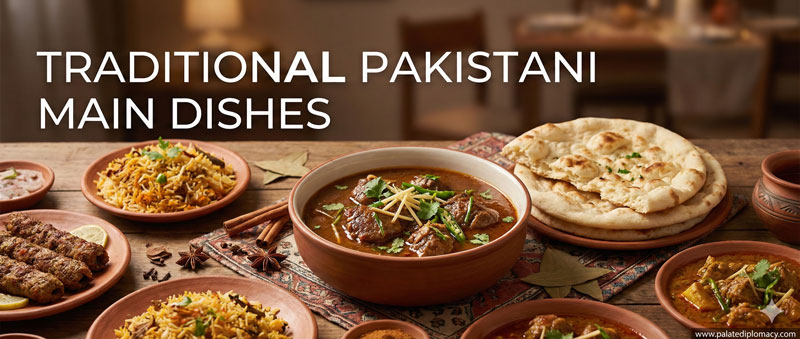
Korma is more than a dish; it is a ritual of welcome. Preparing it signals time spent for loved ones and guests. On festive occasions, families plate korma as the centerpiece, accompanied by naan, basmati rice, and fresh herbs. The aroma itself invites conversation and smiles. In everyday meals, it turns a regular evening into a moment of warmth. Thus, korma reinforces connections at the heart of Pakistani Food Culture.
Pairings and Serving Traditions
The right companions elevate korma without overshadowing it. Naan or paratha softly soaks the sauce, while fragrant basmati rice provides a gentle counterbalance. Fresh cilantro, fried onions, and green chilies add brightness and texture. Light salads or cucumber raita offer cooling contrast on hotter days. These pairings reflect a thoughtful approach to balance, texture, and aroma that defines the dish’s place at the table.
Modern Takes While Honoring Tradition
Today, cooks honor tradition while exploring new nuances. Some opt for lighter versions using yogurt instead of cream, or for nuts with a milder toast. Others experiment with regional spices to highlight local harvests. Yet the core idea remains: a creamy, aromatic curry that welcomes people to share a meal. In every iteration, korma preserves its essence—a celebration of flavor, family, and the beauty of slow, careful cooking.
If you’re new to Pakistani cuisine, try starting with a classic chicken korma and a side of soft naan. Notice how the texture glides on the tongue, how the spice warmth unfolds, and how the dish invites companionship. Every bowl tells a story of taste, craft, and the joy of gathering around a table.