
Introduction
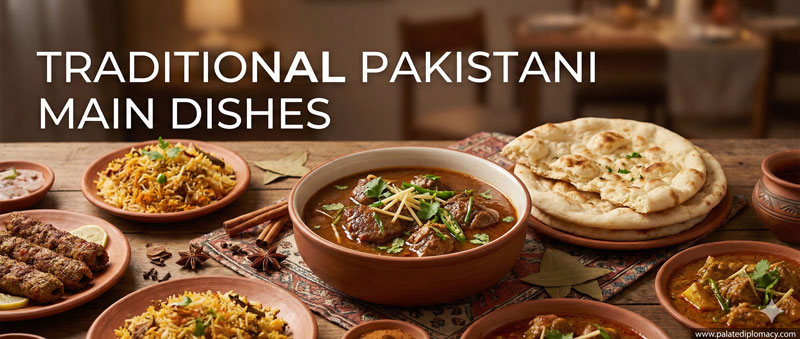
Paya is more than a dish; it is a quiet celebration of pace, family, and craft. In many kitchens across Pakistan, the aroma of simmering bones, spices, and generous garlic invites warmth and conversation. This post explores how paya reflects Pakistani Food Culture through its patience, hospitality, and regional diversity. The dish speaks to a shared love of slow, honest cooking and to meals that bring people together around a steaming bowl and a loaf of bread.
What Paya Represents in Pakistani Food Culture
Paya embodies hospitality in a tangible, everyday form. It invites one to pause, savor the broth, and feel the depth of flavors built from simple ingredients. The dish centers around balance: rich marrow, tender meat, and a chorus of spices that illuminate rather than overpower. This balance mirrors a cultural preference for meals that nourish the body and elevate the spirit. Paya teaches that great flavor often grows from time, patience, and careful attention.
The Craft: Slow Cooking and Aromatics
The heart of paya lies in slow simmering. Time allows bones to release marrow and collagen, yielding a silky, comforting texture. Aromatics—ginger, garlic, onions, green chilies, and a warm blend of cumin, coriander, and garam masala—build layers of aroma that rise as the pot cooks. The steady, patient process creates a broth that feels both homely and refined. Each kitchen supplier, each cook, may add a touch of local spice, making the result distinctly personal while staying true to tradition.
Regional Tastes: A Tapestry Across Provinces
Across Pakistan, paya presents a tapestry of regional shades. In some areas, a touch of fennel lends sweetness; in others, a hint of dried lime adds brightness. The choice of meat can vary—goat or cow trotters—yet the guiding principle remains the same: a rich, heartening broth built on bones and careful seasoning. Accompaniments differ too. Some households favor thick, crusty bread to soak the broth; others lean toward flatbreads scented with cumin. This regional variety speaks to the diverse palate of the nation while keeping the dish recognizable and beloved.
Social Heartbeat: Shared Meals and Hospitality
Paya shines in social moments. It often appears on weekend tables, after prayers, or as a special morning treat when family and friends gather. The act of sharing a steaming bowl reinforces bonds and creates memories. The food becomes a bridge—the generous pour of broth, the clinking of ladles, the soft laughter around the table. Hospitality guides every serving, inviting guests to add toppings, squeeze lemon for brightness, or adjust heat with fresh chilies. This communal practice highlights a culture that cherishes togetherness and thoughtful hosting.
Flavor, Texture, and Pairings
The sensory story of paya is gentle but memorable. The broth carries a fragrant complexity: a touch of warmed spice, the sweetness of marrow, and a lingering, comforting savor. The meat should be tender enough to fall from the bone with a light pull, never tough. Fresh garnishes—cilantro, sliced ginger, lemon wedges—brighten the dish and invite personal customization. Pair paya with bread that can hold up to the broth, such as naan or kulcha, to maximize texture and satisfaction. The result is a harmony of comfort and depth that lingers in memory.
Modern Kitchens and Everyday Moments
In contemporary kitchens, paya remains a bridge between tradition and everyday life. Home cooks adapt the recipe with accessible ingredients, yet the philosophy endures: take time, respect the broth, and share generously. Vendors and street kitchens also keep the dish alive, offering fragrant, portable versions that celebrate the same spirit of hospitality. The dish travels from pot to table with a calm confidence that underscores its enduring appeal.
Culmination: Paya as Cultural Steward
Ultimately, paya is a cultural steward. It teaches care in preparation, generosity in service, and an appreciation for the slow craft that nourishes body and community. By savoring paya, diners engage with a tradition that values patience, balance, and warmth. This dish invites curiosity, invites conversation, and invites everyone to feel at home at the table. In paying attention to paya, one discovers a quiet but powerful reflection of Pakistani food culture—rich in texture, generous in spirit, and rooted in shared delight.
If you’d like, I can tailor this post further to emphasize specific regional anecdotes, ingredient highlights, or serving traditions you’d like to spotlight.