
Introduction
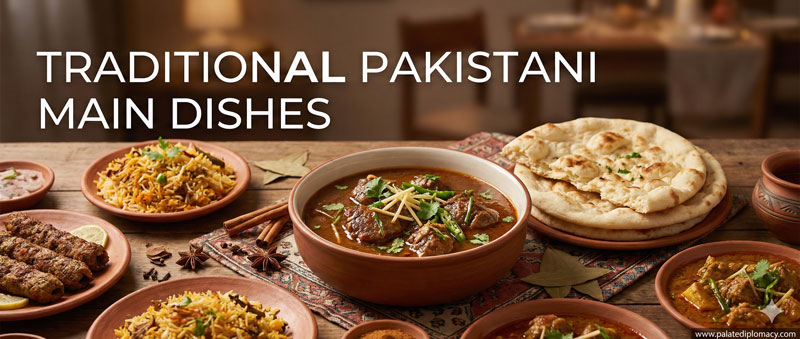
Nihari is a slow-simmered treasure. In a single pot, it brings together patience, fire, and care. This dish stands out for its depth, warmth, and the way it invites sharing. When people in Pakistan think of a comforting meal, Nihari often comes to mind. It is a celebration of everyday cooking that feels timeless and inviting. The dish holds a special place because it speaks to both family time and wide circles of friends. And it remains beloved because it looks and tastes Like a story told with spice, meat, and time.
The Slow Craft of Nihari
The heart of Nihari is patience. Meat, typically bone-in shank, rests in a broth that slowly gathers flavor over many hours. The slow cook unlocks tenderness and a richness that quick meals cannot match. Aromatic spices wake the kitchen: ginger, garlic, coriander, cumin, fennel, cloves, and cinnamon blend with a peppery kick. A touch of garam masala rounds the aroma. The process builds a silky, deeply flavored gravy that clings to each bite. This is not hurried cooking; it is a careful craft that honors the meat and the cooks who tend the pot.
A Symphony of Flavors
Nihari shines because it balances strength and nuance. The meat lends a robust, meaty foundation, while the spice blend adds warmth and brightness. Slow cooking lets the marrow and bones release their richness, creating a velvety texture in the sauce. The result is a broth with depth rather than edge—complex yet approachable. Garnishes lift the dish: crisp fried onions, chopped cilantro, squeezes of lemon, and green chilies for a fresh, sharp contrast. Each element plays a role, and together they create a dish that feels both comforting and bright.
Hospitality On a Plate
Nihari is more than food; it is a gesture of hospitality. In many homes, the pot sits at the center of a gathering, inviting everyone to share in the meal. The act of serving Nihari becomes a ritual of welcome. Host and guest exchange smiles as bowls are passed, and stories begin to travel from one seat to another. The dish carries a sense of generosity, inviting guests to take seconds and thirds if their appetite invites it. That spirit of welcome is a key part of why Nihari is so cherished in many households and local eateries.
Regional Variations and Significance
Across regions, Nihari carries distinct accents while keeping its core identity. In Lahore, for example, it often arrives with a bold spice profile and a generous portion of marrow. In Karachi, you may notice a lighter touch in some recipes, with a focus on a smooth, inviting gravy. Multan and other cities offer their own fragrant twists, sometimes adjusting spice levels or cooking times to suit local tastes. Yet everywhere, Nihari remains a dish built for communal meals, shared tables, and the joy of gathering around good food.
Serving Traditions and Pairings
The way Nihari is served enhances its cultural value. It is commonly enjoyed with fresh, hot naan or a fluffy paratha that soaks up the rich gravy. A squeeze of lemon brightens the depth, while chopped cilantro adds a fresh note. Thinly sliced ginger and extra fried onions can be folded in for a final aroma lift. Tea or a cool beverage often follows, helping balance the meal. These serving traditions reinforce the idea that Nihari is meant to be savored together, not eaten in isolation.
Modern Takes Without Losing Identity
Today, many cooks adapt Nihari for home kitchens and modern restaurants. Yet the essence remains. People preserve the slow cooking method because it honors time and craft. Some adaptations use different cuts of meat or adjusted spice blends, but the dish’s heart—comfort, depth, and sociable eating—stays intact. This balance between tradition and experimentation helps Nihari stay relevant while preserving its cultural value. The result is a dish that feels familiar to longtime fans and inviting to newcomers.
Nihari in Everyday Life
Nihari often makes its way into family routines as a weekend treat or a special weekday breakfast during chilly mornings. It is a practical dish for gatherings, festivals, and simple moments of sharing. Its presence in markets and kitchens alike speaks to its accessibility and warmth. People tell stories about mothers, grandmothers, and friends who have perfected their own versions. That intergenerational thread adds to the dish’s enduring appeal and reinforces its place in the Food Culture.
Conclusion
Nihari stands as one of Pakistan’s most loved dishes because it embodies culture through cooking. It celebrates time, home, and hospitality with every simmering minute. The dish’s rich broth, tender meat, and fragrant spice blend invite people to listen to their senses and slow down together. Nihari is not just a meal; it is a ritual of care and a shared experience that honors the beauty of food as a social and cultural treasure.