
Introduction
Nihari is more than a dish; it is a living reflection of Pakistani Food Culture. This slow-cooked stew, often made with beef or lamb, carries a sense of patience, craft, and shared joy. In this post, we explore the cultural value and culinary significance of Nihari, focusing on how it shapes daily life, hospitality, and regional imagination through flavor, technique, and tradition.
The Heart of Nihari: What it Is
Nihari is a hearty, deeply flavorful stew that braises for hours. The pot holds meat, bones, and a blend of warm spices that release a rich, aromatic gravy. The experience centers on its slow simmer, which builds depth and tenderness. When served, the dish invites careful tasting, thoughtful dipping, and conversation about comfort, craft, and care. Through its texture and aroma, Nihari communicates a shared appetite for quality and time well spent at the table.
Slow Cooking as a Cultural Practice
The method behind Nihari embodies a cultural preference for patience and refinement. The long cooking time says: good things come to those who wait. This approach invites cooks to tend the flame, monitor the liquid, and adjust flavors with quiet confidence. The result is a dish that rewards attention and fosters a sense of achievement. In households and kitchens across cities, the practice of slow simmering becomes a quiet tradition, passed from one cook to another with stories, tips, and a smile.
Spices as Shared Language
Nihari uses a warm, comforting spice set that speaks a common culinary language. Aromatics like cumin, coriander, fennel, and pepper mingle with subtle notes of cinnamon and cloves, creating a familiar yet evolving taste profile. Ginger and garlic add brightness, while green chilies provide a gentle heat. This spice harmony travels across households and regions, giving Nihari a recognizable identity while inviting personal tweaks. The result is a dish that feels both rooted in tradition and alive with individual touch.
A Ritual of Hospitality
Sharing Nihari is a gracious act of hospitality. A family or host often presents the steaming pot to guests with reverent care, signaling welcome and generosity. The act of serving—ladle, bowl, bread on the side—turns eating into a social ritual. Friends and family gather to savor, discuss, and celebrate a moment together. This ritual underscores a fundamental value: food is a way to connect, honor guests, and create memory through shared appetite and conversation.
Regional Echoes in a Single Pot
Nihari wears regional accents that enrich its cultural tapestry. In some cities, the gravy may be thicker and richer, with a touch more warmth from spices. In others, cooks may emphasize a lighter balance, letting meat flavors lead while still maintaining depth. Different breads—such as soft naan or flaky flatbreads—offer varying textures and experiences for dipping and mopping the sauce. These nuances reflect the broader regional imagination within Pakistani food culture, where a single dish can carry multiple local identities without losing its core essence.
The Table Experience: Pairings and Presentation
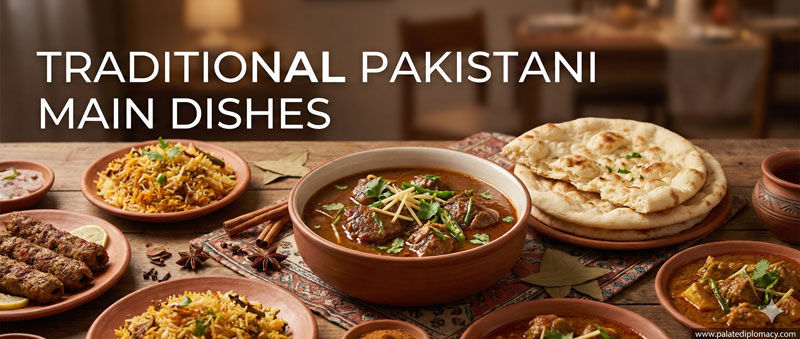
The presentation of Nihari is part of its charm. Fresh cilantro and julienned ginger provide bright contrast to the deep brown gravy. Fried onions add sweetness and crunch, while wedges of lime or lemon offer a tempting zing. Many enjoy a hot, crisp bread to soak up the sauce, turning every bite into a satisfying balance of grain, meat, and spice. The table becomes a stage where aroma, texture, and color work together to enhance the social experience of eating.
Nihari in Everyday Life and Festive Moments
Nihari Shines in both everyday meals and special occasions. On weekends, it can anchor a family brunch, giving everyone time to relax and share stories. In festive seasons or special gatherings, a pot of Nihari signals hospitality at its warmest. The dish adapts to the occasion, yet its core value remains the same: nourishment that invites conversation, gratitude, and a sense of belonging. This versatility helps Nihari maintain a central place in the food culture, bridging ordinary days with moments of celebration.
The Craftsperson Behind Nihari
Behind every pot of Nihari stands a craftsman or craftswoman who brings knowledge, care, and intuition to the kitchen. The practice involves choosing cuts, balancing spice, and judging the precise simmer time. This expertise is often passed down through generations, evolving with new techniques and tastes while honoring time-honored methods. Recognizing the skill behind Nihari deepens appreciation for the dish and for the people who keep these culinary traditions alive.
Sustainability and Local Sourcing
Nihari highlights the value of seasonal ingredients and local sourcing. Cooks often select cuts known for tenderness and flavor, along with fresh spices bought from nearby markets. This connection to community markets reinforces a sense of place and supports local producers. The practice of using what is available with care mirrors a broader respect for resources and craft in Pakistani food culture.
Conclusion
Nihari stands as a warm, inviting emblem of Pakistani food culture. It celebrates patience, skill, and generosity, while offering a versatile platform for regional flavors and personal interpretation. The dish invites people to gather, share, and reflect on the beauty of a slow-cooked meal that nourishes body and spirit. By honoring the craft, the ritual, and the joy of shared bowls, Nihari remains a cherished thread in the ongoing tapestry of culinary life.