
Why Travelers Are Falling in Love with Haleem
Travelers discover haleem as more than a dish. It is a bowl that carries time, care, and a local sense of place. The first aroma reaches you in a busy street or a quiet kitchen. Toasted grains mix with tender meat, slow-cooked into a creamy harmony. Each bite feels warm, comforting, and awake to spice. Haleem invites you to slow down and listen to the simmer. In cities across India, Pakistan, and the Middle East, haleem ties everyday eating to shared moments. Its appeal is simple and deep: warmth, texture, and balance.
The Soul of a Slow-Cooked Dish
The heart of haleem is patience. Grains—cracked wheat or barley—join lentils and meat in a long, gentle simmer. Spices are pounded by hand and folded in with care. The pot moves steadily, never rushing the process. Hours pass, and the mixture thickens into a silky, cohesive mass. The result is a dish that feels Like a story told slowly—from ingredient to aroma to spoon.
Texture, Aroma, and Craft
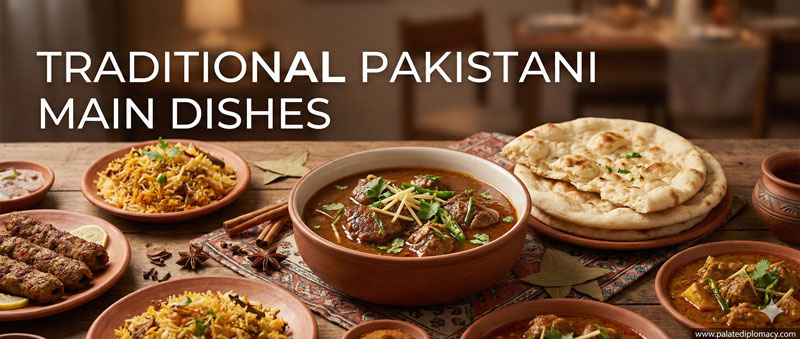
Haleem delivers a soft, creamy texture with tiny bites of meat and split pulses woven through. The aroma is warm and inviting, with hints of nutty grain and spice. On top, fried onions add a sweet crisp. A squeeze of lemon brightens the palate, while fresh cilantro and ginger offer a fresh lift. The dish is a canvas for small, thoughtful toppings that highlight its natural flavors. This balance—creamy base, savory depth, and bright accents—draws many travelers back for more.
Regional Expressions That Shine
Regional styles celebrate local tastes. In Hyderabad, haleem often arrives rich with ghee and saffron, crowned with crisp onions and herbs. In other towns, cooks emphasize different spice blends and meat cuts, creating distinct profiles while preserving the core idea: a slow-cooked harmony of grain, legume, and meat. Vegetarian adaptations exist too, showcasing how the same method can yield complexity with different ingredients. Across regions, haleem remains a versatile, beloved tradition that welcomes variation.
Sharing and Community in the Market
Markets and kitchens become stages for haleem’s social role. Vendors ladle bowls with a practiced rhythm. Friends and families gather around steaming pots, sharing stories as they sample spoonfuls. The act of passing bowls, exchanging tips, and savoring the same dish builds a sense of belonging. Travelers notice the communal warmth as much as the taste, and this makes haleem feel welcoming wherever it is found.
The Role of Haleem in Festive Moments
Haleem shines during festive moments and everyday meals alike. It appears at celebrations, street stalls, and home tables. The dish marks time together, turning a meal into a memorable experience. Its deep flavors and generous portions encourage hospitality and thoughtful hosting, qualities that travelers often seek in new places.
How to Experience Haleem as a Traveler
To truly experience haleem, seek out reputable stalls or family kitchens with a long-running recipe. Watch the cook blend the pot in smooth, patient motions. Note the texture: should feel like a thick, silky porridge with tiny pieces of meat. Taste first, then add toppings you love. A little lemon, fresh cilantro, and crisp onions can elevate the dish, while bread or a soft flatbread makes a perfect accompaniment.
A Gentle Guide to Toppings and Pairings
Fried onions provide sweetness and crunch. Lemon wedges give brightness, and fresh chilies offer a gentle heat. Cilantro, ginger slivers, and a touch of green chili paste can add fresh bite. Pair haleem with warm flatbreads, steamed rice, or a simple side of yogurt. The idea is to let the natural flavors shine while enjoying a comforting texture.
Preserving a Timeless Craft
Haleem stands as a timeless craft of slow cooking. Its beauty lies in patient technique, shared knowledge, and the way a single pot can gather so many senses. For travelers, Haleem is more than nourishment; it is a doorway to place, people, and the quiet joy of a well-made meal. Embrace the experience, and you’ll carry a lasting memory of this Beloved Dish.