
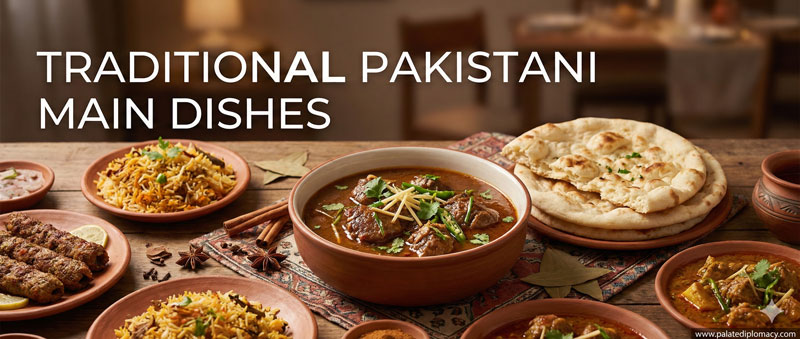
Karahi: A Window into Pakistan’s Culinary Soul
Karahi is more than a dish; it is a celebration of fire, aroma, and togetherness. In kitchens and street stalls across Pakistan, the sizzling karahi gathers people with a simple invitation: come, share, enjoy. The dish stands at the crossroads of home cooking and festive dining, where everyday meals become small rituals of warmth. Its bright tomato base, fresh herbs, and bold meats speak to a culture that values hospitality, family, and the joy of a shared meal. Karahi’s appeal lies in its clarity of flavor, its inviting aroma, and the way it invites conversation as it simmers.
The Cooking Craft: Ingredients, Heat, and Technique
A karahi shines through a few essential elements. Fresh tomatoes, garlic, ginger, green chilies, and a handful of spices create a vibrant, glossy sauce. Meat—whether chicken, beef, or goat—sears quickly, then relaxes in the sauce under high heat. The technique is simple yet precise: hot oil, rapid sizzle, and careful tossing to keep the ingredients intact while developing a luminous glaze. The skillet itself, a deep, wide karahi pan, keeps the heat steady and creates a caramelized edge that adds depth. The result is bright, peppery, and deeply comforting, with a balance that lets the natural flavors speak.
Sharing at the Table: Social and Cultural Value
Karahi is a dish that invites shared moments. It arrives at the table hot and aromatic, ready for immediate enjoyment. People gather around to taste, to adjust the spice level with fresh chilies or lime, and to offer seconds to friends and elders. This practice reinforces social bonds and creates a sense of belonging. The dish also adapts to seasons and occasions, from casual family dinners to larger gatherings, while maintaining its core spirit: food that brings people together with warmth and respect. In this way, karahi becomes more than nourishment; it becomes a language of hospitality.
Regional Voices: Variations and Culinary Pride
Across Punjab and neighboring regions, slight differences tell local stories. In some kitchens, a touch of garam masala or a pinched amount of kasuri methi adds a fragrant lift. Others favor a tomato-forward base with a swirl of butter to finish. Chicken karahi is common, but beef and goat karahi enjoy equal affection, each reflecting regional tastes. Garnishes like fresh coriander, sliced ginger, and green chilies offer color and aroma. These variations highlight a shared passion for bold profiles, quick cooking, and a menu that respects tradition while allowing personal flair.
The Experience of Eating Karahi: Aroma, Texture, and Balance
The karahi experience begins with scent: garlic, tomatoes, and sizzling oil rise with steam, inviting anticipation. The texture enjoys a pleasing contrast: a tender, juicy bite contrasted with a crisp edge from quick searing. The balance of acidity, warmth from spices, and a hint of sweetness from ripe tomatoes creates a harmonious finish. Served with hot naan or fluffy rice, karahi becomes a sensory celebration—color, aroma, and taste harmonizing in every mouthful. Its enduring charm lies in how swiftly it transforms simple ingredients into a dish that feels both timeless and newly comforting.