
How Chapli Kebab Became Popular in Pakistani Cuisine
Chapli Kebab stands as a vivid thread in the tapestry of Pakistani cuisine. The dish speaks through bold aromas, lively textures, and a spirit of sharing. Its popularity spreads from bustling street corners to cozy family kitchens, inviting people to pause, savor, and connect. This post explores the cultural value and culinary significance that helped Chapli kebab become a beloved staple in many households and eateries.
The Heart of the Spice Blend
The magic of Chapli kebab begins with its spice blend. Ground meat forms the base, but the real voice comes from the herbs and seeds that mingle with it. Fresh coriander leaves, chopped mint, green chilies, and onion add brightness and heat. The spice mix often includes coriander seeds, cumin, fennel seeds, and dried chili powder. Some cooks sprinkle pomegranate seeds or crushed tomatoes for a bright, tangy note. A touch of salt, a little black pepper, and sometimes an egg or bread crumbs help bind the mixture without dulling its bite. The result is a fragrant mass that promises a lively bite with every bite. The blend travels through the kitchen to awaken senses, inviting cooks to adjust it to their own households and local markets.
Craft and Technique: The Sizzle of Craft
Forming Chapli kebabs is a small craft with a big impact. The meat is seasoned and folded with care, shaped into flat rounds or thick discs. The flat shape helps each kebab cook quickly and evenly, achieving a crisp edge while staying juicy inside. Chefs often press the kebabs gently to keep them from falling apart, then fry them in a shallow pool of oil. The sizzle tells a kitchen story: heat meeting spice, crust forming, aroma rising. Some cooks improvise with a light dusting of seasoned flour or cornmeal to add extra crackle. The technique is approachable, yet precise enough to reward practice. The result is a kebab that holds its form and delivers a satisfying snap when bitten.
Cultural Ties: Shared Meals and Everyday Rituals
Chapli kebab is more than a dish; it is a shared experience. Vendors on busy streets flip batches for passersby, while families at home gather to watch kebabs sizzle and release their perfume into the room. A plate of Chapli kebab often appears at meals that celebrate togetherness, from casual suppers to festive gatherings. Its versatility supports different moments: A Quick lunch, a weekend feast, or a celebratory spread. The dish adapts to the rhythm of daily life, always inviting conversation and a feeling of hospitality. The act of sharing Chapli kebab helps strengthen bonds, turning a meal into a small ceremony of care and welcome.
Regional Flavors and Variations
Across Pakistan, Chapli kebab wears local accents. In the northern plains and highland markets, cooks favor robust spice notes and fresh herbs, which frame the kebab with a bright, green lift. In coastal cities, a touch of citrus or a dash of tangy chutney can brighten the crust and balance the meat’s richness. In city kitchens and roadside stalls, you may encounter variations that emphasize different textures—from a crisper outer crust to a juicier interior. While the core concept stays the same, regional preferences celebrate local produce and taste memories, creating a vibrant spectrum of Chapli kebabs that feel both distinct and familiar.
Pairings That Elevate the Experience
The dish thrives with thoughtful accompaniments. Fresh flatbreads, such as naan or roti, provide a perfect vehicle for savoring every bite. A bright mint-coriander chutney or yogurt-based raita adds cooling balance to the spices. Slices of onion, wedges of tomato, and a squeeze of lime bring crisp freshness that cuts through richness. A simple cucumber salad or pickled vegetables can offer contrast, letting the kebab’s bold flavors shine. Good pairings honor the dish’s personality and invite savoring, not rushing.
A Visual and Aromatic Experience
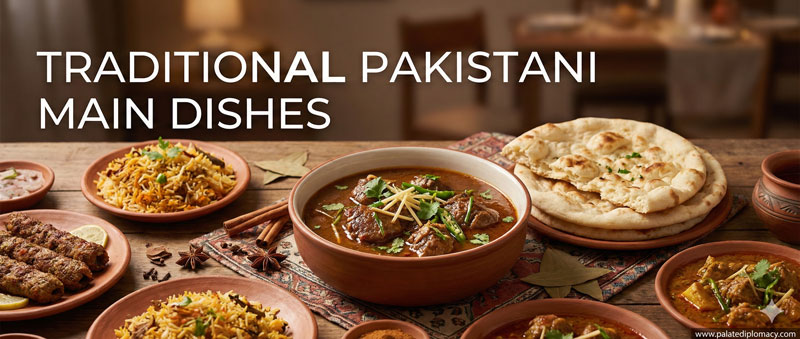
Chapli kebab is as much a feast for the eyes as for the palate. The deep, bronzed crust locks in juices and creates appealing texture. The edges may blister slightly, adding a café-crisp bite. Fresh herbs glimmer through the surface, hinting at the greens folded into the mix. When served, the kebabs release a layered aroma: green herbs, warm spices, and a hint of smokiness from the pan. The presentation—sunlit patties on a platter with bright chutney and crisp accompaniments—speaks to a culture that values color, balance, and the joy of shared meals.
The Enduring Charm: Why It Remains Central to Pakistani Food Culture
Chapli kebab endures because it embodies hospitality, craft, and flavor in one dish. It makes guests feel welcome with its bold aroma and generous portions. It rewards cooks who pay attention to texture and balance, offering a reliable canvas for creativity within a familiar framework. The dish travels between everyday meals and special occasions, always carrying a sense of warmth and togetherness. In this way, Chapli kebab is more than food; it is a cultural expression that celebrates local flavors, family memories, and the pleasure of sharing a tasty, well-made meal.
If you wander through markets or sit down for a family feast, Chapli kebab invites you to listen to the sizzle, inhale the spices, and savor how a simple blend of ingredients can echo a community’s palate and heart. Its popularity in Pakistani cuisine reflects a deep appreciation for bold flavors, thoughtful technique, and the joy of gathering around a hearty, well-crafted dish.