
What Makes Paya So Special in Pakistan
Paya is more than a dish in Pakistan; it is a warm thread that ties kitchens, markets, and families together. Made from tender trotters, the broth slowly builds its depth as hours pass. The result is a silky, comforting curry that carries the scent of whole spices and long conversations. In homes and on bustling streets alike, paya invites you to pause, savor, and share. Its appeal lies not only in flavor but in the sense of hospitality it embodies.
A Slow Craft: The Heart of the Dish
The magic of paya unfolds through time and technique. A gentle simmer releases gelatin from the bones, giving the broth a luxurious mouthfeel. Whole spices—cinnamon, cloves, black pepper, cardamom—dance with garlic and ginger, infusing the liquid with warmth. Onions brown in ghee or oil, adding sweetness and depth. The cook watches, adjusts heat, and pours patience into every simmer. The result is a broth that glows with color and a texture that remains tender yet substantial. This slow craft turns simple ingredients into a dish that feels ceremonial, meant to be enjoyed with quiet attention and shared plates.
Regional Expressions of Paya
Across Pakistan, paya carries distinct local echoes while staying true to its core essence. In some regions, the curry leans forward with a bolder spice profile, while in others the harmony comes from a softer balance of aromatics. In urban kitchens and village kitchens alike, cooks may finish paya with fresh cilantro, a squeeze of lime, and crisp fried onions for brightness. Tomato or green chili additions appear in certain families, giving a brighter tang or a gentle heat. Yet everywhere, the base is the same: a slowly melted broth, a reverence for bone-torne flavor, and a shared sense of nourishment. These regional touches celebrate the dish’s adaptability and its ability to fit into many tables.
Texture, Flavor, and Aroma
Paya offers a feast for the senses. The broth is silky and rich, thanks to the marrow and gelatin released during long cooking. The meat and tendons become supple, lending a satisfying chew that contrasts with the smooth liquid. Aromatics rise from the pot—the warmth of cinnamon and cloves, the peppery bite of black pepper, the brightness of fresh herbs. A final squeeze of lemon or line of coriander can lift the whole bowl, making each spoonful feel fresh and inviting. The experience is not hurried; it invites you to notice texture, savor aroma, and appreciate the balance of savory, spicy, and bright notes.
The Table and Sharing
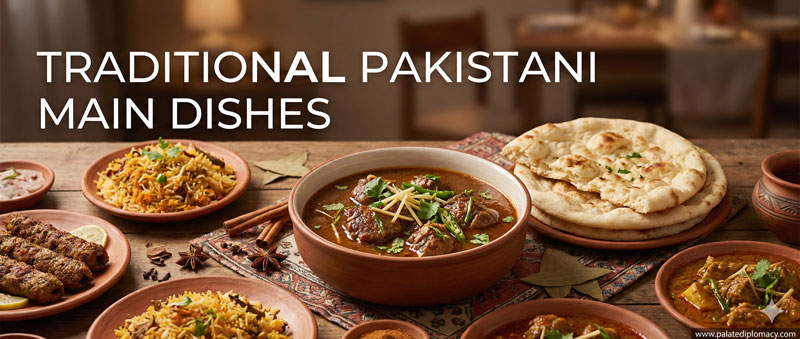
In Pakistan, paya is usually enjoyed with bread—naan, kulcha, or roti—that can scoop up every bit of broth and marrow. Garnishes matter: fried onions, chopped cilantro, and a wedge of lime enhance the dish with color and bite. Friends and family often gather around a single pot, passing the ladle and sharing bites with equal warmth. This ritual of serving and sampling reinforces a sense of welcome and community. The table becomes a small festival, where the act of eating together becomes the heart of the moment.
Everyday Joy and Festive Flavor
Paya moves between everyday meals and special occasions with ease. It shines as a comforting weekend breakfast that starts a family day with generosity. It also graces festive gatherings, where the aroma travels through rooms and invites neighbors to the table. In each setting, paya remains a testament to the joy of cooking slowly, choosing good ingredients, and making space for conversation. The dish carries memory as much as flavor, reminding everyone at the table that nourishment is a shared practice.
Choosing and Cooking Paya at Home
If you want to bring paya to your kitchen, start with fresh trotters from a reliable market. Clean them well and trim any excess fat. Parboil briefly to remove impurities, then rinse before adding to a pot with water and a calm rhythm of spices. A classic blend includes cumin, coriander seeds, black pepper, cloves, cinnamon, and bay leaves, along with ginger and garlic. Brown onions in ghee or oil to create a flavorful base. Add the trotters, cover with stock, and let the mixture simmer gently for several hours. When the meat is tender and the broth is rich, finish with salt, a splash of lemon juice, and fresh herbs. Serve hot with bread and a side of tangy chutney or sliced chilies if you Like a spark of heat.
Pairings and Serving Ideas
To enhance the experience, pair paya with bright accompaniments. A crisp, warm naan or a soft kulcha invites you to scoop generously. A fresh mint-lime chutney adds a welcome zing, while fried onions deliver sweetness and crunch. A small bowl of yogurt or a simple raita can balance richness. If you enjoy beverages with meals, a cup of hot chai or a cool, lightly salted lassi makes a harmonious companion. These elements together create a complete, comforting meal that feels both traditional and lively.
A Dialogue of Flavor and Hospitality
Paya speaks to the value of hospitality in Pakistani culture. It is a dish that invites dialogue, not haste. It rewards patience, care, and attention to every ingredient. When you share paya, you share time—moments spent letting flavors mingle, listening to sizzling onions, and appreciating the warmth of the kitchen. The result is a meal that lingers in memory and invites a next gathering, a new conversation, and another plate passed around with care.
A Final Note on Beauty and Craft
The beauty of paya lies in its simple beginnings and its enduring appeal. It respects the language of slow cooking and the artistry of spice harmony. It honors family, friends, and neighbors who come to the table with eager appetites and generous hearts. In Pakistan, paya remains a beloved expression of home: comforting, flavorful, and endlessly welcoming.