
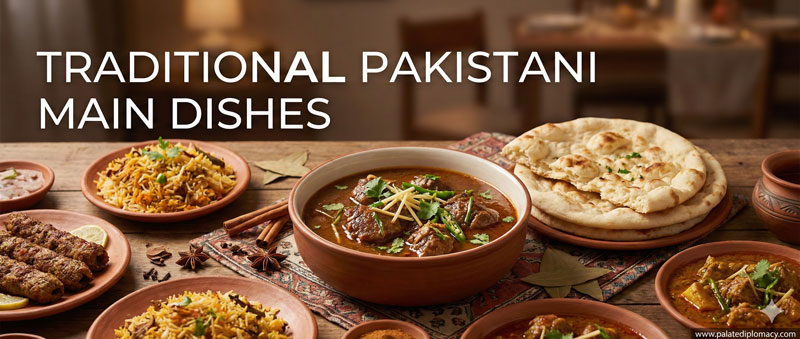
Discover the Rich Flavors of Nihari
Nihari Is more than a dish; it is a warm invitation to slow, joyful cooking. This hearty stew celebrates patience, balance, and a thoughtful blend of spices. When the pot simmers, the kitchen fills with a welcoming aroma that speaks to generations of cooks and diners. The first bite blends depth, heat, and tenderness in a way that feels both comforting and adventurous. Nihari offers a feast for the senses and a calm, generous memory of meals shared with family and friends. In every simmer, there is a story of tradition, craft, and care.
A Window into Tradition and Craft
Cultural value grows where craft meets daily life. Nihari embodies this fusion perfectly. Chefs take pride in selecting cuts of meat and bones that release rich flavor as they cook. The process rewards patience: slow simmering, careful skimming, and a steady rhythm of stirring. This approach teaches respect for time and attention to detail. Families pass down simple tips and secret tweaks, from the level of heat to the moment when the spices are added. The result is a dish that feels both familiar and special, a centerpiece around which conversations and laughter naturally gather.
The Art of Slow Simmering
The heart of nihari lies in its slow simmer. The meat becomes velvety and the marrow adds a luxurious texture, while bones release collagen that thickens the broth. A gentle flame and long hours allow flavors to mingle, harmonizing notes of warmth and sweetness with earthier spice depth. This method honors the ingredients and promises a satisfying, lingering finish. The technique invites cooks to observe, adjust, and trust the process. In this way, the pot becomes a quiet classroom where patience yields one of the most comforting flavors found in regional cooking.
Aromatics that Tell a Story
A nihari’s perfume is a map of its character. Ginger and garlic provide a bright, savory base. Whole spices—cinnamon, cloves, cardamom, and black pepper—offer an opening chorus that unfolds as the broth comes to life. Cumin and coriander add a nutty earthiness, while fennel seeds lend a gentle sweetness. A touch of chili or black pepper warms the palate without overwhelming it. Fresh cilantro, lemon wedges, and a rind of lemon zest at the table can finish the experience with a bright lift. Each spice plays a precise musician’s role, and together they tell a story of warmth, hospitality, and readiness to share.
Shared Meals and Hospitality
Nihari shines at gatherings that celebrate togetherness. It is common to serve the stew with hot, fluffy flatbreads such as naan or paratha, ready to scoop and sopped with its rich sauce. Onions sliced thinly, lemon wedges, and chopped cilantro appear on the side, inviting personal adjustments. Small bowls of green chutney or raita offer cool contrasts that balance the dish’s spice. The ritual of serving—placing the pot on the table, offering bread to all, and pausing to say A Quick blessing of thanks—enriches the meal with a sense of community. In this setting, nihari becomes a thread that stitches conversations and smiles across generations.
Regional Touches and Variations
Across regions, nihari wears different accents while keeping its core identity intact. In some cities, the broth leans toward a velvety, nearly lacquered finish, while in others the spice profile is a touch brighter and more aromatic. Some cooks emphasize the marrow’s richness, while others foreground a leaner cut for a lighter savor. Regional variations may include a distinct balance of garam masala, a preferred combination of herbs, or the choice of accompaniment. Yet in each version, the dish remains a tribute to careful technique, seasonal ingredients, and a shared love of slow, soulful cooking.
Pairings That Elevate the Experience
The joy of nihari grows when paired with the right accompaniments. Warm naan or paratha invites generous scoops and long, satisfying bites. A simple cucumber salad adds crisp freshness, and a lemon wedge gives a bright kiss of acidity. For those who enjoy dairy, a dollop of yogurt or raita can mellow the spice while adding creaminess. A lightly spiced side rice can provide a gentle counterpoint to the stew’s depth. Together, these elements form a balanced, memorable dining moment that honors the dish’s richness and the table’s generosity.
Crafting Nihari at Home
Bringing nihari into a home kitchen is a welcoming project. Start with quality meat and bones, a well-measured mix of spices, and a pot that can hold a respectful amount of simmering. Sear the meat to develop flavor, then slowly add water and let the spices unfold their character. Throughout the cook, skim fat lightly and adjust salt to taste. Finish by letting the broth rest briefly; this helps the flavors settle. Serve hot with warm breads and fresh garnishes. The effort pays off in a dish that feels crafted, personal, and deeply satisfying.
A Timeless Classic in Modern Lifestyles
Nihari endures because it fits both quiet mornings and bustling gatherings. Its warmth nourishes the body and invites companionship. It respects time, skill, and the joy of good ingredients. In today’s kitchens, nihari remains accessible, with tips and techniques that preserve its essence while inviting new cooks to participate. The dish therefore bridges generations, cultures, and tastes with grace. Each spoonful echoes a tradition of care, hospitality, and shared pleasure at the table.
Closing Reflections
Discovering nihari is an invitation to slow, attentive cooking and generous hospitality. It invites cooks to honor ingredients, master a gentle simmer, and craft a dish that nourishes both body and spirit. The cultural value of nihari lies in its ability to bring people together around a table, to spark conversations, and to create memory through flavor. When you plate nihari, you honor a long lineage of cooks and diners who cherished the power of a well-made stew. Embrace the aroma, savor the depth, and share the experience with those you love.