
Why Travelers Are Falling in Love with Karahi
Travelers seek more than meals; they seek stories. Karahi delivers a story in color, aroma, and texture. The dish greets the table with a sizzling chorus as the oil coats fresh tomatoes and spices. The scent invites you to pause, listen, and taste. This is food that speaks of place, skill, and time. Its cultural value rests in the moment when a shared pan becomes a shared memory. When travelers eat karahi, they taste hospitality, craft, and a tradition that welcomes every passerby.
The Wok-Like Pan and Fast Fire: Crafting Karahi
A karahi is a sturdy, circular pan. Chefs heat it quickly over a bright flame. They add meat, then onion, garlic, and ginger, followed by tomatoes and spices. The method preserves color and bright acidity. Each stir releases layers of aroma. The cooking is brief, precise, and energetic, Like a street performance. The result is a glossy sauce that clings to meat and vegetables. Travelers sense the technique, recognize the care, and appreciate how fire, metal, and skill combine to create balance.
Aromatics and Ingredients That Define Karahi
The heart of karahi is a bright, fresh base. Ripe tomatoes soften to a silky sauce. Ginger and garlic provide warmth. Green chilies offer a gentle heat, while cumin, coriander, and turmeric add depth. Garam masala finishes the character with a subtle lift. Meat choices vary, from chicken to tender cuts of lamb. Some cooks add peppers, onions, or a sprinkle of fresh cilantro at the end. Each bite blends sour, savory, and aromatic notes into a comforting harmony that lingers in memory.
A Social Plate: Hospitality and Shared Meals
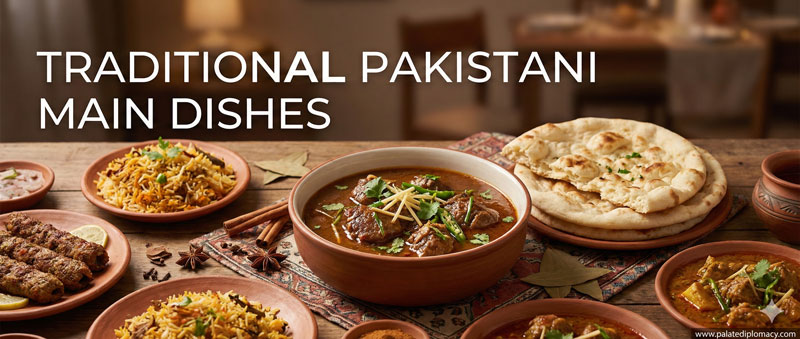
Karahi often travels from stove to table with a sense of gathering. A single pan sits on a central platter, accompanied by flatbread, naan or roti. Diners tear pieces of bread, scoop the sauce, and pass the pan to the left. This ritual reinforces courtesy, conversation, and connection. The culinary act becomes social art, where skill, timing, and generosity meet. For travelers, this experience is more than nourishment; it is a doorway into local routines of sharing, celebration, and mindful eating.
Regional Flavors: How Karahi Changes Across Places
Across regions, cooks adapt karahi to local preferences. Punjab emphasizes bold tomato, chili, and garlic. Coastal towns highlight fresh herbs and a touch of citrus brightness. Mountain regions balance heat with gentle spice and deeper aromatics. Seasonal produce guides the sauce’s sweetness and acidity. Yet the core remains: a hot pan, bright ingredients, and a balance of tangy, savory, and aromatic notes. Travelers feel a shared voice that travels with the dish.
An Invitation for the Plate and the Traveler
To taste karahi is to taste place, craft, and care. Look for a lemon wedge or fresh cilantro as a final touch. Listen for the sizzle, watch the glossy sauce cling to meat, and enjoy with warm bread. The dish invites curiosity and slow savoring. As you linger over the last spoonful, you carry a sense of place back to your own travels. Karahi shows how food can honor tradition while welcoming new ideas at the same time.