
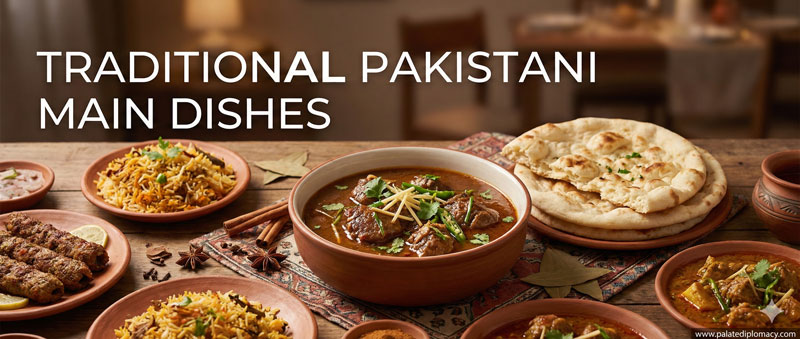
Why Paya Is One of Pakistan’s Most Loved Dishes
Paya is a slow-simmered treasure that sits at the heart of Pakistani Food Culture. It is more than a dish; it is a ritual of patience, a celebration of aroma, and a bridge between generations. When a pot of Paya comes to a gentle boil, homes fill with a warming fragrance that promises care, nourishment, and a shared moment around the table. This is why Paya holds a cherished, almost timeless place in the kitchen and in the hearts of many.
The Soul of Morning and Gatherings
Across cities and towns, Paya finds its most memorable moments in the quiet rituals of morning warmth and weekend gatherings. The simmering broth becomes a signal that the day is meant to be savored slowly. Families gather as the pot breathes, passing around bowls, bread, and bright accompaniments. The dish invites conversation, keeps pace with soft laughter, and offers a sense of belonging. In this way, Paya does not merely feed the body; it nourishes connection and memory, season after season.
A Symphony of Aromas and Techniques
The beauty of Paya lies in its balance of simple ingredients and patient technique. The base is a rich broth built from goat or lamb trotters, often with bones that release a glossy, gelatinous body as they simmer. Ginger, garlic, and onions lay the foundation, while spices—cardamom, cloves, cinnamon, coriander seeds, and a touch of pepper—add depth without overwhelming the gentleness of the meat. A hint of turmeric or paprika can give the broth its warm glow, and a whisper of garam masala can round the edge just before serving.
The cook’s artistry shows in the long, slow simmer. Gentle heat, occasional skimming, and time allow the connective tissue to melt into a silky, comforting glaze. The result is a broth that clings to the palate, a texture that invites spoon after spoon, and a fragrance that lingers in the air like a friendly memory. The dish comes together with clarity and warmth, each step a shared rhythm in the kitchen.
Texture and Taste: A Delicate Yet Generous Presence
Paya delights through its texture as much as its flavor. The meat loosens easily from the bone, and the broth develops a light, glossy mouthfeel that coats the tongue. There is a pleasing contrast between the tender, yielding trotters and the crisp bite of freshly toasted bread or naan that accompanies the dish. The garnishes—chopped coriander, thin slivers of ginger, sliced green chilies, a squeeze of lemon—offer brightness that lifts the savor without overpowering the core gentleness of the dish. The balance between richness and freshness makes Paya a versatile comfort food that can be enjoyed at different times of the day with equal grace.
Regional Perspectives and Subtle Variations
While the essence remains the same, regional preferences shape small but meaningful variations. In some regions, cooks emphasize a slightly stronger spice profile, letting garam masala and black pepper lead the aroma. In others, the broth is left lighter, with a purer, more transparent sheen, allowing the specific character of the goat or lamb to shine through. Across cities, the accompaniments may shift as well: a wedge of lemon for a bright touch, a dab of mustard oil or ghee for a fragrant finish, or a side of traditional breads such as kulcha, naan, or sheermal to mop up the rich broth. Each variation frames Paya as a canvas that celebrates local technique while honoring a shared, national love for the dish.
Serving Traditions and the Social Moment
Serving Paya is an occasion in itself. Bowls are warmed, spoons are laid out, and the table becomes a small stage for care and hospitality. The dish is often presented with a sense of generosity: a generous ladle, a bright plate of bread, and a bowl of fresh condiments. The moment of breaking bread, dipping into the broth, and savoring a spoonful of fragrant warmth evokes a sense of welcome that transcends food. In many homes, Paya is a weekend staple, a dish that gathers neighbors and family around the same pot, reinforcing the family’s culinary identity and shared taste.
Pairings, Garnishes, and Presentation
The beauty of Paya is enhanced by thoughtful garnishes and simple sides. Fresh cilantro adds a leafy brightness; ginger slivers bring a peppery bite; lime or lemon wedges offer a citrus lift. Green chilies provide a gentle heat for those who prefer it, while sliced onions—often pickled—bring a crisp contrast. As for presentation, a wide, warm bowl helps the broth shine, while a side of bread kept warm in a covered basket invites guests to indulge in the generous pairing of liquid and bread. The focus remains on simplicity, quality, and the joy of sharing.
The Cultural Significance Today
Paya remains a touchstone of culinary culture because it embodies patience, care, and communal joy. The dish teaches appreciation for slow cooking, for ingredients chosen with care, and for the craft of turning humble trotters into a comforting, luxurious broth. In households and kitchens, Paya passes from grandmothers to younger cooks, carrying tradition forward with every simmer and every tasting. It is a dish that invites curious minds to learn about texture, aroma, and balance, while honoring the timeless practice of cooking as a family ritual.
Why This Dish Endures
What Makes Paya endure is not only its richness but its ability to welcome. It invites all to slow down, notice the fragrance that fills the room, and share a moment of warmth. It honors the dignity of skilled home cooking and celebrates a culinary philosophy that treasures the beauty of a well-simmered broth, a raised steam, and a table set for connection. In this way, Paya stands as One of Pakistan’s most loved dishes: a signal of hospitality, a keeper of memory, and a shining example of how a single pot can carry a culture’s personality to the table.
A Gentle Invitation to Experience Paya
If you are curious to experience Paya, approach it with the same calm reverence its preparation deserves. Seek a recipe that emphasizes a clear, glossy broth and tender trotters. Choose fresh ginger, garlic, and coriander for a bright finish. Let the pot sing on a low flame, and allow the aroma to guide you toward a comforting, meaningful meal. In the end, Paya invites us to savor more than flavor—it invites us to savor belonging, tradition, and the quiet joy of a well-made, well-shared dish.
This is the beauty of Paya: a single pot that tells a larger story about taste, family, and the timeless delight of good food prepared with care.