
How Korma Became Popular in Pakistani Cuisine
Korma is more than a dish. It is a memory of family kitchens, warm gatherings, and the gentle joy of sharing food. In Pakistan, korma Stands Out for its creamy texture, balanced spices, and the soft glow of saffron and nuts. This post explores the cultural value and culinary journey of korma, and how it found a beloved place on tables across the country.
A Dish Born in Hospitality and Shared Meals
From the first bite, korma speaks of hospitality. It arrives at the table in a elegant bowl, often with a side of fluffy rice or fresh bread. In many homes, the act of serving korma is a moment of care. The cook tastes, adjusts, and then ladles a portion for each guest. This ritual celebrates generosity and togetherness. The dish invites conversation, aromas wafting through the kitchen and pulling everyone toward the meal.
Korma also travels through daily life. A family cook may prepare a version for a busy week, choosing ingredients that are on hand and honoring the same methods that make the dish comforting. Yet the heart remains the same: a dish that brings people closer, a bowl that marks a moment of welcome, a shared taste that lingers in memory.
The Flavor Blueprint: What Makes Korma Special
The essence of korma lies in its harmony. A gentle base of yogurt or cream gives a soft tang, while ground nuts add creaminess and depth. Spices—cardamom, cloves, cinnamon, coriander, cumin—offer warmth without overpowering the palate. Onions cooked to a sweet, translucent note provide sweetness and body. The result is a sauce that carries the scent of saffron, rose water, or a kiss of aromatic herbs, depending on the cook’s preference.
What makes korma approachable is its balance. The creamy, slightly sweet sauce deepens the Flavors of the meat or vegetables it accompanies. The dish is not aggressive; it invites slow savoring. When served with rice or roti, korma becomes a comforting, versatile centerpiece for a family meal, a special occasion, or a festive gathering.
Techniques That Elevate the Taste and Texture
Korma shines because of technique as much as ingredients. Chefs begin by blooming spices in hot ghee or oil, releasing their essential oils and fragrance. The meat or vegetables are then added and gently cooked until tender. A nut paste or ground almonds thickens the sauce, lending body without heaviness. A careful simmer allows flavors to mingle, creating a sauce that clings to the meat while remaining light enough to coat rice or bread evenly.
Marination also plays a role in many versions. A short soak in yogurt or yogurt‑based marinade helps tenderize, while preserving moisture. The final touch of slow simmering and gentle reduction seals flavor in. The result is a sauce that feels luxurious yet approachable, and a texture that feels both silky and satisfying on the palate.
Cultural Moments: Korma in Festivals, Family, and Hospitality
Korma is often part of moments that celebrate life. In homes, it appears at family dinners, birthdays, and joyous occasions when loved ones gather. It accompanies the aroma of a busy kitchen and the rhythm of shared tasks. In many households, planning a meal around korma becomes a way to honor guests, to welcome someone with a warm plate, and to nurture a sense of belonging.
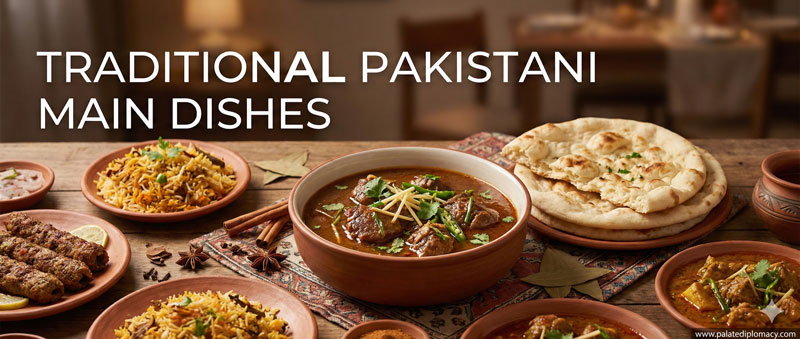
In public life, korma has found a place on festive menus and temple or community gatherings where food is used to reinforce tradition. The dish is frequently paired with staples like rice, naan, or biryani, and is often garnished with fried onions, fresh herbs, or a light drizzle of cream. Each plate tells a story of care, place, and the joy of giving through food.
Regional Voices: Diversity Within Pakistani Korma
Pakistan’s regions shape how korma is prepared and enjoyed. In Punjab, the dish often leans toward a creamy, smooth sauce and a mild warmth that pairs wonderfully with saffron rice. In Sindh, cooks may weave in a touch more tang or a richer nut texture, creating a slightly deeper profile. In Khyber Pakhtunkhwa, you may find subtle smoky hints or the presence of dried fruits that add a gentle sweetness. Across Balochistan, lighter touches of spice and a clean, clear sauce can highlight the ingredients without masking their natural flavors.
The beauty of these regional expressions is that they share a common purpose: to elevate modest ingredients through careful technique and harmonious spice work. The result is a family of kormas that feels familiar yet offers distinct regional character, inviting tastings and conversations about what each version reveals about local taste and tradition.
Pairings, Serving, and the Way It Feels to Eat Korma
Korma’s most common companions are rice and bread. A simple steamed basmati or a fragrant pulao lets the sauce carry the meal. Naan or kulcha provides a sturdy, bread-friendly vehicle for spoonfuls of creamy sauce. The presentation is often inviting: a shallow bowl of pale, luxurious sauce, a sprinkle of fresh herbs, and perhaps a side of crisp onions or pomegranate seeds for a pop of brightness.
As a centerpiece, korma invites rituals of tasting and sharing. diners often take a small amount, savor the richness, and then return for a larger helping as conversations deepen. The texture and aroma invite slow enjoyment, turning a meal into a small ceremony of friendship and comfort.
A Modern Plate: Korma in Today’s Tables
Today, chefs explore korma with curiosity while honoring its roots. Modern kitchens may experiment with variations—vegetarian versions that use paneer or mushrooms, lighter dressings for summer menus, or plant-based dairy alternatives to suit preferences. Yet the core remains: a sauce that softly encompasses ingredients, inviting taste, warmth, and connection.
In restaurants, korma appears as a versatile option. It pairs with bold rices, delicate breads, or creative garnishes. It also serves as a bridge between homestyle cooking and refined dining, proving that a humble, creamy sauce can speak to a wide range of palates.
Why Korma Continues to Shine
Korma endures because it is adaptable and generous. It welcomes different ingredients and welcomes different cooks. It teaches patience, because a slow, thoughtful simmer makes the flavors bloom. It also communicates a shared love for meals that bring people together, a quiet celebration of everyday life as well as special occasions.
For anyone exploring Pakistani cuisine, korma offers a gentle invitation. It teaches balance, hospitality, and the joy of savoring a sauce that embraces the meat or vegetables with a tender embrace. In every bowl, there is a link to home, to family, and to the lasting beauty of cooking that honors tradition while inviting personal expression.
Conclusion: A Dish That Melds Flavor and Culture
How did korma become popular in Pakistani cuisine? Through a steady journey of care, shared meals, and culinary curiosity. It grew in home kitchens and in restaurants, always as a dish that honors guests and elevates simple ingredients into something memorable. Its cultural value rests in its kindness, its patience, and its ability to make a table feel welcoming. In every bite, korma tells a story of togetherness, skill, and the timeless pleasure of good food shared with others.