
How Paya Became Popular in Pakistani Cuisine
Paya is a dish that invites the senses. Its rich aroma, silky broth, and tender trotters tell a story of care in the kitchen. This blog explores how paya found a cherished place in Pakistani cuisine, valued for its cultural meaning and culinary depth. The journey is about people, kitchens, and shared meals more than any single recipe.
The Birth of a Flavorful Tradition
In many homes, paya began as a weekend ritual. Families gathered when the pot simmered on the stove, and the kitchen filled with warm spice notes. Goats’ trotters provided the base, and local spices guided the flavor. As cooks refined their methods, the broth grew silkier and the meat more tender. Each grandmother or aunt added a tiny, personal touch, and those touches traveled through generations. The result is a dish rooted in everyday life and warmed by hospitality.
The Slow-Simmer Magic
Paya shines because of patience. Cooks start with a gentle boil, then reduce heat to let the flavors bloom. The bones and connective tissue release a gelatinous richness that thickens the broth naturally. Ginger, garlic, and onions build a fragrant foundation, while whole spices—cinnamon, cloves, cardamom, and pepper—layer in warmth. Tomato, chili, coriander, and cumin add bright, inviting notes. The final touch often includes a squeeze of lemon and a scattering of fresh cilantro. The technique—low heat, long simmer, careful skimming—creates a comforting, nourishing bowl that tastes like home.
Regional Echoes: Variations Across Pakistan
Different regions add their own character to paya. In Punjab, a robust spice profile meets a hearty backbone of broth. Sindh may lean toward tangy brightness from lemon or raw onion accompaniments. Khyber Pakhtunkhwa brings mint or yogurt accents for a cooler counterpoint to the spice. Balochistan offers a straightforward, spice-forward approach that highlights the meat’s texture. Across these variations, the core idea remains the same: a slow-cooked, shareable dish that centers warmth and method.
From Home to Table: How Paya Entered Restaurants
Paya moved from family kitchens into broader dining spaces through familiar routes. Home cooks shared brave, comforting recipes with neighbors, then cooks began offering paya at local eateries. Dishes evolved as chefs experimented with heat, spice balance, and garnishes, while still honoring the traditional simmer. In many cities, you can find paya on breakfast menus, late-night orders, and special occasion menus. The transition kept the spirit of togetherness at the heart of the dish.
Cultural Value: Hospitality and Shared Tables
Paya embodies hospitality in a tangible way. The dish invites others to sit, share, and savor. Its preparation is often a collaborative act, with family members taking turns to adjust the spice or taste. Serving paya becomes a gesture of welcome, especially when the broth is ladled into bowls and bowls are passed around the table. The aroma itself signals an invitation to gather, talk, and enjoy a meal that respects tradition while embracing small modern twists.
Culinary Significance: Techniques and Flavor Architecture
What Makes paya memorable is its flavor architecture. The broth builds depth through layering: a savory foundation, bright acidity, and a lingering warmth from the spices. Texture matters, too—the melt-in-your-mouth meat and the smooth, jelly-like broth harmonize with fresh herbs. Balance is key: salt heightens, acid lifts, and fat carries aroma. The dish showcases how technique—gentle simmer, careful skim, precise spice timing—transforms simple ingredients into something comforting and iconic.
Serving and Pairings: Completing the Experience
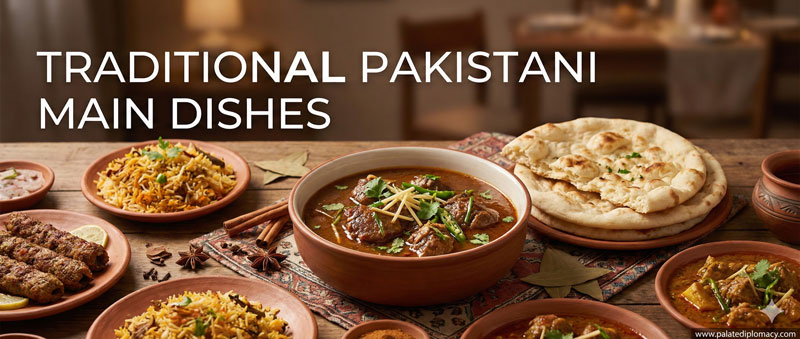
Traditionally, paya arrives with bread such as naan or kulcha to scoop up the broth. A side of slices of lemon or a few green chilies adds a bright counterpoint. Fresh cilantro and sliced onions introduce crunch and freshness. Some enjoy a small bowl of yogurt or a light salad on the side to contrast richness. The pairing choices emphasize sharing, making the meal feel generous and complete.
A Dish of Celebration: Paya in Everyday Life
Paya appears at many social moments—from family breakfasts after prayers to weekend gatherings. It also features in festive meals and special occasions where warmth and generosity are central. Its presence signals care, patience, and a desire to bring people together around a pot of simmering goodness. In every setting, paya reminds us that great food grows best when cooked with attention and shared without hurry.
Conclusion
Paya’s popularity in Pakistani cuisine grows from its deep cultural value and its culinary generosity. The dish stands as a testament to patient cooking, regional variation, and the joy of communal eating. When paya graces a table, it does more than satisfy hunger—it honors tradition, welcomes guests, and invites everyone to linger a little longer in a moment of shared flavor.