
A Complete Guide to Enjoying Korma Like a Local
Korma sits quietly at the heart of many kitchens. It’s a dish that invites care, patience, and a sense of shared meals. When you learn to savor korma Like a local, you discover more than flavor. You uncover a way of eating that celebrates family, seasonality, and hospitality. This guide highlights the cultural value and culinary significance of korma, and shows how to experience it with respect and delight.
The core of korma: texture, aroma, and balance
Korma is prized for its creamy, luxurious sauce. It blends yogurt or cream with ground nuts and a gentle mix of spices. The result is a smooth richness that coats meat or vegetables without overpowering them. Locals value balance: a soft tang from yogurt, the sweetness of slow-roasted onions, and the warmth of spices like cardamom, cinnamon, and cumin. The technique often starts with gentle sautéing and slow simmering, rewarding patience with depth. This balance makes korma accessible to many palates, inviting a calm, lingering enjoyment rather than a bold punch.
Regional echoes: how korma adapts across kitchens
Across the subcontinent, korma wears different accents. In Lucknow and nearby towns, the dish often leans toward a refined, velvety texture, sometimes enriched with cream and almond paste. In other cities, cooks might introduce pistachio paste, coconut milk, or saffron threads, adding a subtle nutty or floral note. Some households favor a lighter touch, while others layer more nuts for a richer mouthfeel. The variations reflect local ingredients, family traditions, and seasonal produce. Yet the heart remains the same: a creamy sauce that invites slow savoring and gentle conversation at the table.
How locals savor korma: from kitchen to plate
To experience korma like a local, follow these simple cues:
- Start with the aroma. In a home kitchen, the scent of toasted spices and slowly simmering sauce signals a dish built with care.
- Notice the texture. A true korma coats each piece smoothly. If it looks too oily or too thick, adjust with a little warm water or broth and stir gently.
- Respect the pace. Locals often take time to savor each bite, pausing between flavors to notice the balance of fat, acidity, and spice.
- Appreciate the portions. Small servings encourage conversation and shared tasting moments, especially during family meals or festive gatherings.
Pairings that elevate the experience
Korma shines with the right accompaniments. Pair it with:
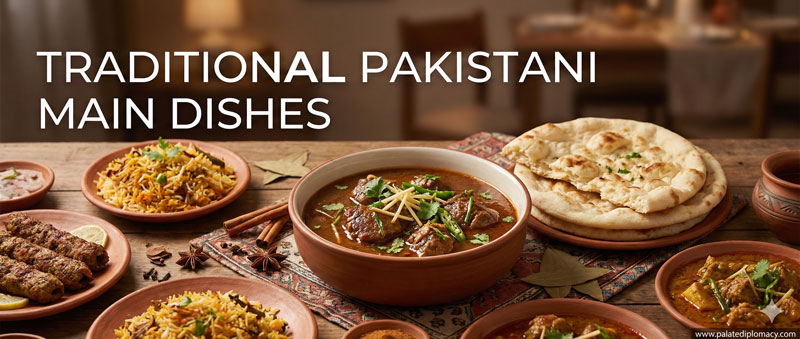
- Fresh naan or roti to scoop up the sauce.
- Plain basmati rice to balance richness.
- A light cucumber or mint raita to add cooling contrast.
- Simple vegetable dishes or lentils to provide texture variety without competing flavors.
A good pairing respects the creaminess of the sauce and highlights its subtle sweetness. The goal is a harmonious plate where every element supports the korma.
Etiquette and the art of savoring like a local
Eating korma with locals often follows warm, welcoming etiquette. Keep these ideas in mind:
- Serve and share. If you’re in a family setting, passing bowls and sharing spoons is common, emphasizing hospitality.
- Take modest portions. Begin with a small taste, then return for seconds as you settle into the flavors.
- Use bread to mingle flavors. Tear off a piece of naan, scoop gently, and enjoy the texture combination with the sauce.
The mood is relaxed and friendly. There is space for quiet reflection on the aroma, texture, and aftertaste.
The cultural value of korma in gatherings
Korma is more than a dish; it is a social signal. It marks celebrations, everyday meals, and mindful eating moments. Families savor it during special occasions, but it also appears in simple dinners that bring loved ones together. The act of making korma can be a ritual—careful chopping, cleansing of spices, and slow simmering—that teaches patience and gratitude. Sharing a bowl fosters conversation, memory-making, and a sense of belonging. In many homes, korma becomes a thread that ties generations through taste.
Practical tips for choosing and ordering like a local
When you seek korma in a new place, a few practical steps help you find an authentic, satisfying version:
- Look for a kitchen that emphasizes whole ingredients. You’ll notice a fresh aroma and a balanced, creamy sauce.
- Observe consistency. A good korma should be velvety, not watery, with a sheen from ghee or cream.
- Ask for mild, medium, or rich. Locals often tailor the spice level while maintaining the dish’s gentle character.
- Prefer simple accompaniments. A straightforward naan or rice often best showcases the sauce’s depth.
A respectful, inviting invitation to explore
Exploring korma as a local means embracing patience, taste, and shared meals. It is about noticing the texture, savoring the aroma, and enjoying how a single dish can carry memory and warmth. Whether you’re dining at a bustling city eatery or a quiet family kitchen, the beauty of korma lies in its ability to bring people together around a flavorful, comforting dish.
Final reflections: embracing the journey
Korma invites you to slow down and listen to your senses. The creamy sauce, delicate spices, and thoughtful preparation reveal a culinary culture that values balance, warmth, and hospitality. By tasting with curiosity and sharing generously, you participate in a living tradition. This is not only about eating; it is about joining a circle of cooks, families, and friends who welcome you to their table.
If you’re new to korma, approach it with openness. Let the aroma guide you. Let the texture invite you to take another bite. And let the table’s conversation carry you toward a deeper appreciation for the dish and the people who make it come alive.