
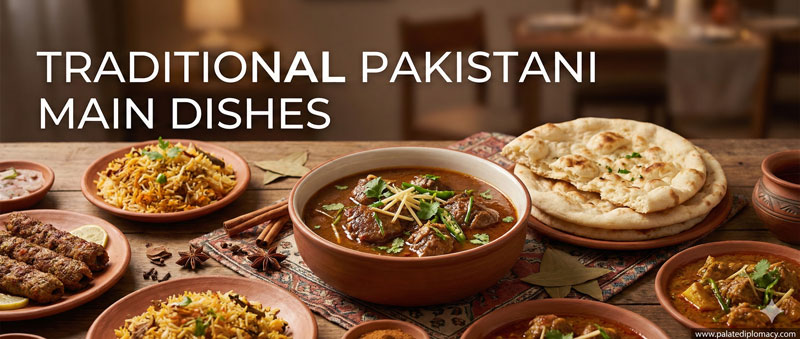
What is Karahi and Why It Matters
Karahi is both a dish and the pan that holds it. The name comes from the circular, deep cooking vessel called a karahi. In kitchens and at street stalls, this bright, flavorful dish brings people together. It celebrates heat, aroma, and the care of technique. The essence of karahi lies in how quickly fresh ingredients mingle to become a comforting, shared meal.
A Dish of Shared Moments
When karahi arrives at a table, it signals a gathering. Friends and family lean in as the steam rises and the aroma fills the room. Everyone takes a moment to choose a piece of meat, a bite of sauce, and a fresh slice of bread. The act of passing the karahi, ladling out portions, and dipping into the sauce creates conversation and a sense of belonging. In this way, karahi becomes more than food; it is a social ritual that centers hospitality and warmth.
The Pan and Its Significance
The karahi pan shapes the cooking and the eating experience. Its wide, rounded sides encourage quick searing and even heat. That heat helps seal in juices and develop a glossy sauce. The pan also invites a fast, continuous simmer, letting flavors bloom without losing brightness. This balance between sizzling aromas and a smooth sauce reflects a careful approach to cooking that values both speed and patience. The pan itself becomes a cultural cue for lively kitchens and lively conversations.
The Flavor Craft: Techniques and Ingredients
The signature karahi flavor comes from a bright, tomato-forward sauce with a harmony of spices. Fresh ginger, garlic, and green chilies wake the dish, while ground cumin, coriander, and garam masala add depth. Tomatoes provide tanginess and body, helping the meat stay tender yet flavorful. A brief tempering of spices in hot oil releases aroma and creates a glossy sheen. The result is a dish that feels both comforting and lively, with a balance of heat, acidity, and savory warmth.
Regional Voices: Variations Across Pakistan
Within Pakistan, karahi carries regional voice and style. In Punjab, the dish tends to be robust and hearty, with a emphasis on generous portions and a strong, savory sauce. In other regions, cooks might adjust the balance of spice, the level of chili, or the length of simmering to suit local tastes. Across styles, one thread remains: karahi honors fresh ingredients, clear technique, and the joy of sharing. This tapestry of variations shows how a single dish can reflect diverse culinary sensibilities while maintaining a common spirit.
Serving Traditions and Tabletop Rituals
Karahi is often paired with bread such as roti or naan, perfect for scooping and wrapping. Accompaniments like sliced onions, fresh coriander, and lemon wedges brighten the plate. The presentation emphasizes simplicity and generosity: a steaming pan, bright colors, and the aroma guiding the meal. Diners learn to pace the meal, savoring the sauce and the tenderness of the meat, while keeping the conversation flowing. The ritual of serving reinforces care, hospitality, and everyday joy in the kitchen.
Karahi as a Mirror of Culture
Karahi reflects a culture that values hospitality, craft, and communal eating. It shows how a single dish can carry memory and skill across generations. The recipe evolves with fresh ingredients and personal touches, yet the heart remains constant: a shared meal that invites participation and warmth. The dish embodies balance—between bold flavors and delicate textures, between quick cooking and careful simmering, between individual bites and collective enjoyment. In this way, karahi reveals the beauty at the center of Pakistani Food Culture.
Closing Invitation
If you seek a dish that celebrates flavor and togetherness, try a karahi moment at home or at a Local kitchen. Notice how the aroma guides you to the table, how the pan’s shape invites conversation, and how each bite carries the warmth of hospitality. Karahi is more than food; it is a living expression of care, craft, and community. Enjoy the experience, and let the flavors tell their story.