
How Chaat Became Popular in Pakistani Cuisine
Chaat is a family of savory snacks built around crisp bases, bright chutneys, yogurt, and spices. In Pakistani cuisine, chaat has grown from a simple street bite to a Beloved Dish found in homes, markets, and small eateries. This post explores how chaat became Popular in Pakistani cuisine, and why its balance of texture and flavor resonates so deeply with food lovers.
From Street Corners to Home Tables
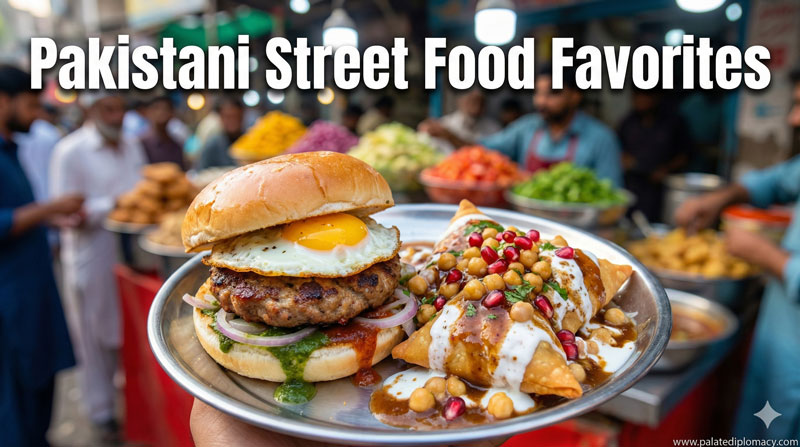
First, chaat thrives where markets bustle. In busy bazaars, stalls glow with color and aroma. Vendors lay down a bed of crisp papri or puri, then add chickpeas, boiled potatoes, and chopped onions. Fresh herbs follow, adding brightness. Next, they crown the mix with tangy tamarind chutney and zesty mint chutney. Finally, a swirl of yogurt and a sprinkle of sev or boondi complete the plate. The result is fast, affordable, and endlessly adaptable.
Over time, families adopt these flavors at home. Neighbors share tips, and recipes travel by word of mouth. The dish evolves with the season and the cook’s preferences. In homes and small cafes, chaat becomes a canvas for creativity, inviting cooks to adjust spiciness, sweetness, and saltiness. This accessibility helps explain its enduring popularity across many neighborhoods.
The Play of Textures and Flavors
Chaat is a symphony of contrasts. Crisp bases meet creamy yogurt. Cool mint chutney layers with sharp tamarind. Each bite threads together hot, sour, sweet, and salty notes. The crunch of sev adds a delicate, toasted finish. The soft potato and chickpea centers balance the brightness of herbs. This deliberate dialogue among textures makes chaat feel both lively and comforting.
The flavor balance is intentional and bright. Tangy chutneys wake the palate, while yogurt cools and smooths. Spices provide warmth without overpowering the other elements. Because the dish layers multiple components, it rewards thoughtful assembly and careful tasting. In short, chaat speaks to the senses with clarity and charm.
Regional Variations Across Pakistan
Across cities, chaat wears local accents. In Karachi, chaat often leans toward tangy and peppery notes, with generous chutneys and vibrant colors that echo the city’s seaside energy. In Lahore, layered flavors and a touch more richness show up, with yogurt and spiced toppings that feel hearty and celebratory. In smaller towns, the dish may emphasize chickpeas and boiled potatoes, delivering a comforting, familiar bite.
Dahi puri and papri chaat stand out as enduring favorites in many kitchens. Some cooks tailor level of heat, while others introduce seasonal twists, such as adding fresh fruit bits or roasted corn. Regardless of the exact mix, the core idea remains: a balance of crisp, creamy, sour, and sweet that invites sharing and conversation.
Social Bonds and Culinary Craft
Chaat is as much about gathering as it is about eating. After work, after school, or during a festive pause, friends and family come together to assemble and taste. The act of sharing spoons and bowls reinforces hospitality and warmth. Plating becomes a small act of care—arranging toppings with color, ensuring a generous drizzle of chutneys, and presenting a plate that delights before the first bite.
Cooks refine the craft through practice. They learn How to balance chutney sweetness with chutney tang, how much yogurt lends creaminess without dulling spice, and how to achieve the right crunch. This culinary craft grows as people experiment with ingredients that are fresh and locally available. The result is a living tradition that honors taste, season, and community.
Modern Adaptations and the Future of Chaat
In contemporary kitchens, chaat continues to evolve. Home cooks and chefs experiment with seasonal produce, such as mangoes in summer or pomegranate seeds in cooler months. Some chefs fuse traditional ingredients with new twists, offering brighter textures or lighter yogurt ratios. Others emphasize plant-forward variations that highlight vegetables and legumes.
Chaat remains an accessible, joyful option for daily meals and celebrations alike. Its adaptability invites curiosity, encouraging cooks to explore balance, texture, and color. As people seek vibrant, comforting foods, chaat offers a delicious pathway to shareable, accessible pleasure.
Conclusion
Chaat’s rise in Pakistani cuisine speaks to the beauty of a dish that ofers instant warmth, texture, and harmony. Its street-born roots anchor a culinary practice that travels into homes, markets, and eateries with ease. Today, chaat is a celebration of freshness, balance, and hospitality—a flavorful reminder that food can bring people together through simple, thoughtful bites. If you seek a dish that embodies texture, brightness, and communal joy, chaat warmly welcomes you to taste its enduring charm.