
What Makes Samosa Chaat So Special in Pakistan
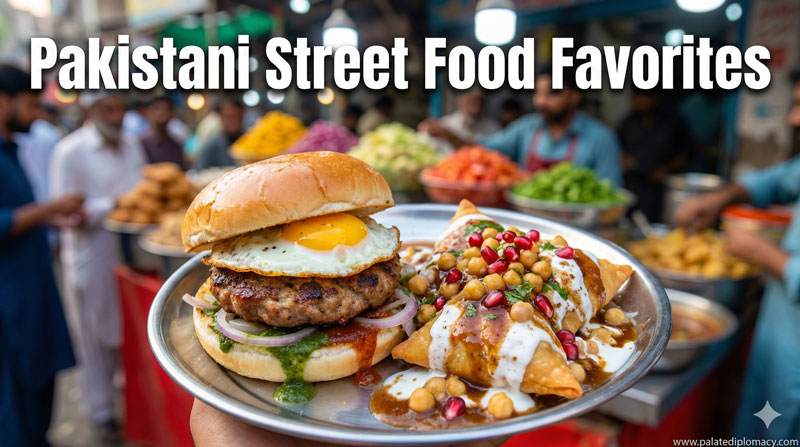
Samosa chaat is a lively street-side snack that turns humble samosas into a bright, shareable dish. In Pakistan, cooks break crisp fried samosas into irregular pieces and lay them over a base of spiced chickpeas or boiled potatoes. They drizzle tangy tamarind chutney and fresh green chutney, then spoon cool yogurt over the top. A shower of chopped onions, cilantro, and a pinch of chaat masala adds zing. Finally, a handful of sev—the tiny fried noodles—gives that final crackle. The result is a bowl or plate of contrasts: crunchy and creamy, tangy and savory, visual and aromatic. Vendors assemble it quickly, with a practiced hand, turning simple ingredients into a vivid, comforting snack. The dish embodies a street-food philosophy: quick, flavorful, and designed for sharing. Through every bite, you sense a style of hospitality that welcomes neighbors and visitors alike.
A Spotlight on Texture and Flavor
Texture drives the experience. The samosa pieces stay crisp beneath the mellow warmth of yogurt. The chickpeas provide heartiness, while chopped onions add a sharp bite. The chutneys introduce sweet-sour notes that dance on the palate. Finally, sev adds a light, crackling finish. Flavor evolves with each mouthful: first the bright aroma of coriander and cumin, then the creamy tang of yogurt, and finally the rich, peppery finish of chaat masala. The color palette—golden brown, green chutney, white yogurt, deep brown tamarind—appeals to the eye and invites tasting. This balance is not accidental; it mirrors the culinary sensibilities of many regions in Pakistan, where spices are used to enhance natural flavors rather than overwhelm them. The dish invites inhale, taste, and conversation in one moment.
Cultural Significance in Pakistan
Samosa chaat sits at the heart of Pakistan’s food culture. It appears at busy markets, tea stalls, and family kitchens, a snack that travels easily from morning to late evening. It’s a dish that welcomes people of all ages, from students between classes to grandparents sharing stories. Preparing it often becomes a collective activity: family members line up ingredients, toast spices, and adjust chutneys to taste. Its versatility Makes It common in homes and on street corners alike, a symbol of everyday hospitality. The chaat’s bright presentation echoes the exuberant warmth of social gatherings: a bowl shared among friends, the clink of cutlery, the exchange of smiles. In many neighborhoods, samosa chaat is a familiar invitation to pause, savor, and connect. The dish’s popularity also reflects a refined street-food culture that values speed, quality, and generous portions, ensuring that flavor remains accessible to all.
Regional Variations and Home Cooking
Across Pakistan, samosa chaat wears regional flavors with pride. In Karachi, vendors line the sea breeze of the port city, blending bold chutneys with a touch of garlic. In Lahore, the masala hums with cumin, coriander, and a generous dollop of yogurt that cools the heat. In Peshawar and the Khyber region, mint chutney and pea sprouts might join the mix for a lighter finish. Home kitchens adapt the recipe to what’s available: crisp samosas from a Local bakery, chickpeas simmered with a pinch of cinnamon, or street-style sev snipped for extra sparkle. Yet all share a common philosophy: balance. The tangy tamarind sauce, the fresh green chutney, the creamy yogurt, and the heat of chaat masala come together to create harmony. This regional variety makes samosa chaat a living map of local tastes, inviting cooks to improvise while honoring tradition.
The Social Experience: Street Food and Gatherings
Samosa chaat is more than a snack; it’s a social moment. In bustling streets, vendors call out, swap stories, and serve steaming plates to groups of friends. The dish acts as a common language, a way to pause, share, and connect. People arrive with a plan to meet someone near a busy corner or market, then linger over conversation as the flavors unfold. The aroma of frying dough and fresh chutneys signals hospitality. It’s common to order a portion to share, turning one plate into a mini gathering. Children and elders gather around, a chai cup in hand, to taste the mix of textures. This social dimension is part of the charm: a simple snack becoming a bridge between moments of conversation, laughter, and memory.
The Playful Art of Assembly
Crafting samosa chaat is a small, practiced ritual. Break the samosas into chunks, spread them over a bed of chickpeas or potatoes, drizzle tamarind and green chutneys, then crown with yogurt. A sprinkle of chopped onions, fresh cilantro, and a pinch of chaat masala follows. Finally, the sev rains down to deliver that signature crunch. This sequence creates a layered experience: the first bite offers crisp edge and creamy yogurt, the middle reveals tangy-sweet sauces, and the finish hits with the peppery salt of chaat masala. Skilled hands adjust the balance, controlling spice level and yogurt amount to suit taste. The technique celebrates precision and generosity: a few quick moves, a chorus of flavors, and a dish that looks as good as it tastes.
Pairings and Serving Traditions
Samosa chaat shines with a simple, comforting accompaniment. A hot cup of chai or a glass of cold lassi complements the tangy and spicy notes. Some prefer mint tea to refresh the palate between bites. On the table, lemon wedges and sliced onions brighten the plate and invite personal seasoning. Pomegranate seeds or fresh cilantro add color and a gentle sweetness. In homes, families often serve this chaat as an afternoon treat or as a crowd-pleasing starter for a larger meal. In cafés and markets, vendors place the dish on a paper plate with a wooden skewer, inviting quick sampling and easy sharing. The result is a balanced experience that reminds guests of home and hospitality.
A Modern Twist While Honoring Tradition
Modern kitchens and street stalls experiment while honoring tradition. Some cooks offer lighter versions using air-frying techniques to keep the samosas crisp with less oil. Others use plant-based yogurt to suit dietary preferences, keeping the creamy texture without dairy. Fresh herbs, pomegranate seeds, or roasted onions offer new color and aroma. Yet the essence remains: a comforting mix of textures and bright flavors served with warmth and hospitality. Whether you prefer a bold, tangy version or a milder, creamy one, the dish adapts and travels with meaning. The heart stays the same: a communal snack that invites sharing and conversation.
Final Thoughts: The Heart of Samosa Chaat
Samosa chaat captures a spirit of Pakistani food culture: generosity, texture, and vibrant flavor. It turns simple ingredients into a celebration of everyday life. The dish travels from kitchen to market to table, inviting people to slow down, taste, and talk. In Pakistan, this chaat is a familiar friend, a bowl that invites smiles and a sense of belonging. The beauty lies in its balance and its ability to adapt without losing its soul. When you taste samosa chaat, you taste community, craft, and care. It remains a beloved, timeless snack that makes any gathering a little brighter.