
Everything You Need to Know About Pakora
Pakora is a bright, comforting fritter that graces many home kitchens and snack counters. It is a celebration of texture, aroma, and shared moments. Its appeal lies not only in taste but in the warm, stories-filled way it shows up at tea time, street corners, and family gatherings. This post explores its cultural value and culinary significance, with practical notes for making it at home.
What Is Pakora?
Pakora is a bite-sized fritter made by coating pieces of vegetables, paneer, or even herbs in a seasoned gram flour batter and frying until crisp. The batter, typically based on besan (gram flour), binds the pieces and shields them from the hot oil. Spices such as cumin, coriander, turmeric, and chili awaken the flavor. The result is a crunchy shell surrounding a tender, savory interior. Pakoras are enjoyed hot and fresh, often with tangy chutneys or yogurt sauces on the side.
Core Ingredients
The heart of pakora is simple flour and vegetables. Common vegetables include onions, potatoes, spinach, cauliflower, and green chilies. Paneer or corn kernels offer vegetarian alternatives with their own character. Besan provides a nutty flavor and a sturdy crust. Some cooks blend rice flour or cornmeal for extra crispness. Fresh herbs, garlic, ginger, curry leaves, and chopped chilies add depth. A pinch of baking soda can lighten the batter, helping it puff a bit as it fries. Oil quality matters; many cooks choose neutral oils that tolerate high heat without overpowering the flavors.
Regional Varieties
Around South Asia, families add their own touch. Bombay-style onion pakora favors thin slices with a pronounced onion bite. In other regions, thicker potato or mixed-vegetable versions prevail. Paneer pakora offers a soft center with a crisp exterior. Seasonal greens or spinach pakoras showcase vibrant color and a bright bite. Each variation reflects local ingredients, weather, and everyday cooking rhythms, while staying true to the core idea: a crisp, flavorful fritter enjoyed together.
The Cooking Process
Preparation starts with ingredients cut to uniform sizes. Batter is mixed to a thick, clingy consistency. Resting the batter briefly lets the flour hydrate and the flavors meld. Oil is heated to a steady temperature, usually around 350–375°F (175–190°C). Pieces are coated in batter and slipped into the hot oil, not crowded, so they fry evenly. They turn a rich golden brown and emerge crisp. They drain on paper towels and are served promptly for the best texture.
Texture, Flavor, and Pairings
The signature pakora contrasts a delicate, airy interior with a satisfying crunch on the outside. The aroma carries to the table—roasted chickpea, toasty spices, and a hint of freesia-like freshness from herbs. Pair it with chutneys, such as tangy tamarind or cool mint yogurt. A yogurt-based raita or a simple lemon-tomato chutney can balance the spice. Pakoras also pair well with a hot cup of tea or coffee, making them a friendly, comforting bite at any hour.
Cultural Value and Social Role
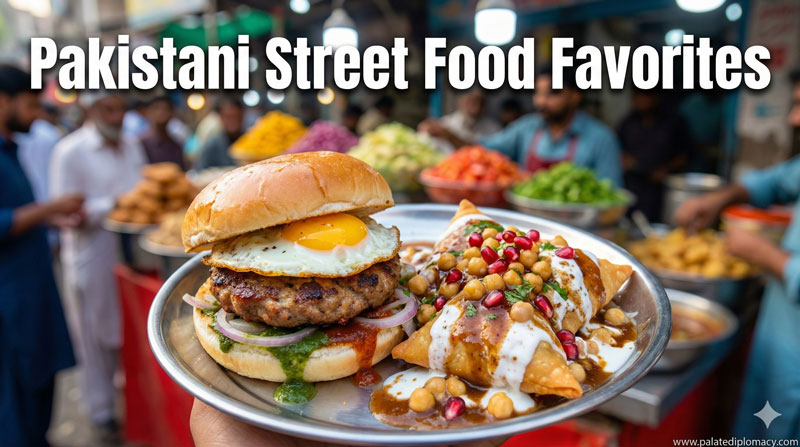
Pakora holds a place of warmth in many homes. It is a social starter that invites sharing. Families often prepare a batch while chatting, turning a meal into a small gathering. In markets and street stalls, pakoras are a quick, joyful treat that draw people together. The dish travels well in memory: the aroma, the moment of freshly fried crust, the glow of conversations around the plate. Its versatility means it appears at casual snacking moments and at larger celebrations alike, always signaling hospitality and welcome.
Serving Ideas and Occasions
Serve pakoras as an appetizer at gatherings, a teatime snack, or a festive bite during special meals. They shine when paired with a duo of chutneys, a cooling yogurt dip, or a spicy tomato sauce. In rainy or cool weather, the warmth of fried treats brings comfort. They also make a simple yet impressive addition to a platter for celebrations, picnics, or weekend family meals.
Tips for Home Chefs
- Use hot oil and fry in small batches to keep the temperature steady.
- Keep the batter thick enough to cling but not so thick that it overwhelms the vegetable.
- Add a small amount of baking soda or a splash of sparkling water to lighten the batter if desired.
- Rest the batter briefly to improve texture.
- Drain thoroughly on paper towels to preserve crunch.
- Experiment with fillings and spices to match your favorite flavors.
Frequently Asked Questions
- Is pakora vegan-friendly? Yes, when made with plant-based ingredients and without dairy in the batter.
- What is besan? Besan is gram flour, ground chickpeas, used as the main binding and flavor base.
- Can pakora be baked? Yes, you can bake them on a hot sheet with a light spray of oil for a healthier version, though frying delivers the classic crispness.
- What are common chutneys? Tangy tamarind, bright mint-coriander, and creamy yogurt-based sauces are popular companions.
Conclusion
Pakora is more than a snack; it is a thread in the fabric of Food Culture that ties people together. Its blend of simple ingredients, careful technique, and communal enjoyment makes every bite a small celebration of togetherness. Whether made at home or savored from a street stall, pakora honors the joy of shared cooking and the beauty of a well-made fritter.