
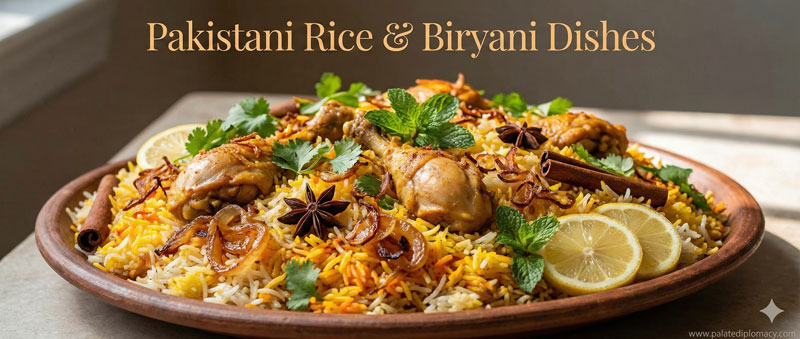
Why Travelers Are Falling in Love with Chicken Biryani
Travelers discover chicken biryani and find a warm welcome in a single pot. The dish travels across kitchens and markets, inviting curiosity. Each bite releases a story of careful balance: tender chicken, fragrant rice, and a chorus of spices. The aroma alone invites a pause, a moment of shared anticipation. In inns, street stalls, and family homes, diners savor more than flavor—they savor memory. This dish feels Like a short journey in a single moment, a gift of culture wrapped in steam and warmth. It is both comforting and exciting, easy to love, and easy to share.
A Cultural Table in a Pot
Biryani sits at the heart of many meals as a centerpiece for gatherings. It signals hospitality, generosity, and welcome. When friends sit down to eat, biryani often becomes a focal point for conversation, stories, and laughter. The pot is a table in miniature: a warm mix of grains, meat, and spices that invites careful serving and thoughtful sampling. Travelers notice how the dish can be simple yet grand, everyday yet celebratory. Its presence in diverse settings shows how food can unite people around a shared clink of spoons and a moment of savor.
Layer by Layer: The Culinary Craft
The magic of biryani rests on deliberate layering. First comes marinated chicken, infused with yogurt and spices. Then fragrant basmati rice, parboiled and ready to meet the chicken. A gentle steam seals the layers in a method known as dum cooking. This slow, sealed process keeps moisture inside and lets flavors mingle without becoming overpowering. The result is a harmonious balance of savoriness, fragrance, and brightness. Each layer holds a rhythm: a pocket of tenderness here, a pop of spice there, a delicate kiss of saffron or fried onions. The craft rewards patience and precision, and travelers feel the care in every mouthful.
Aromas That Speak: The Senses of Biryani
Aromas lead the way before the first bite. Saffron or turmeric paints the rice with a sunny hue and a soft perfume. Whole spices—cumin, cloves, cardamom, cinnamon—delay their fragrance until the steam rises. Fresh herbs, mint, and coriander add brightness. Crispy fried onions, or birista, offer a final crunch and a sweet-savory note. A spoonful of yogurt or raita on the side cools the palate and brightens contrasts. This scent-forward experience makes biryani feel alive, inviting travelers to inhale, savor, and linger a moment longer.
Regional Voices: Hyderabadi, Awadhi, and Malabar
Regional variations enrich the biryani repertoire. In the Hyderabadi style, the blend leans toward bold spice and a rich, layered scent that carries through long meals. The Awadhi (or Lucknowi) approach tends toward tenderness and refined balance, with delicate saffron threads weaving through the grains. On the Malabar coast, coconut and bright, fresh herbs add a coastal brightness to the dish. Some kitchens even feature signature elements like a gentle use of ghee or a specific rice grain treatment that creates distinct textures. Travelers notice these regional voices as a map of tastes, each one offering a unique way to tell a familiar story.
The Social Slice: Sharing and Hospitality
Biryani remains a social dish. It travels from pot to plate around a shared table, encouraging conversation and connection. In many settings, it is paired with cooling raita, fresh salad, and sometimes a boiled egg or fried potato slice as a surprise ingredient. The act of serving becomes part of the meal’s charm: a host stewarding portions, a guest appreciating each layer, and friends exchanging smiles between bites. This ritual of sharing elevates the dish beyond flavor. It becomes a practice of hospitality that travelers carry with them into new places.
A Dish of Education: Reading a Culture Through Food
Eating biryani teaches patience, balance, and respect for regional techniques. The careful selection of rice, meat, and spices reveals local preferences and seasonal choices. The method shows how kitchens use heat, moisture, and timing to preserve texture and aroma. For travelers, these cues become a gentle guide to the culture behind the dish. The more they learn, the more they enjoy the artistry and intention behind each preparation. Biryani invites curiosity and fosters appreciation for craft, tradition, and flavor.
A Timeless, Everyday Celebration
Chicken biryani suits everyday meals and special occasions alike. It feels both accessible and celebratory, a dish that can anchor a busy day or crown a festival with color and scent. Its popularity among travelers grows from its ability to adapt: different spices, different ingredients, and different cooking styles all share a common language of warmth and hospitality. In every region, biryani remains a celebration of food as a bridge between kitchens, families, and friends.
Closing Thought: Embracing a flavorful Tradition
When travelers taste chicken biryani, they taste a living tradition. They discover how a single pot can hold a wide spectrum of memories, techniques, and regional flavors. The dish invites exploration without pressure and offers nourishment with grace. It stands as a welcoming emblem in the world of food, inviting every palate to listen, learn, and enjoy. In short, chicken biryani is more than a meal; it is a beloved cultural practice carried from kitchen to table, season to season, heart to heart.