
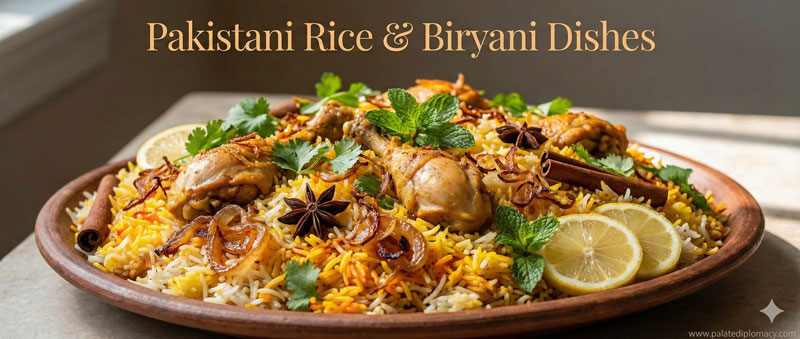
The Flavorful Heritage of Sindhi Biryani
Sindhi Biryani is more than a meal. It is a celebration of the Sindh culinary tradition. The dish blends fragrant rice, tender meat, and bright herbs into a single, radiant pot. Its aroma greets you before the first bite. The flavor carries the warmth of family kitchens and festive gatherings. In every bite, you taste patience, care, and a shared love for good food. This biryani honors the land, the farmers, and the cooks who bring fresh ingredients together with skill and heart.
Key Ingredients and Craft
The base is long-grain basmati rice, fluffy and separate when cooked well. Meat is cooked with yogurt, garlic-ginger paste, onions, and a chorus of spices. The spice mix often includes cumin, coriander, turmeric, red chili, and garam masala, plus bay leaves, cinnamon, and cloves. Fresh cilantro and mint brighten the blend. Saffron milk or a hint of color adds a golden glow. Potatoes sometimes appear in Sindhi versions, offering a comforting swallow of texture. Ghee or oil coats each grain, helping the aroma rise in the kitchen. The result is a layered, aromatic dish where each component sings in harmony.
The Dum Cooking Technique
Sindhi Biryani is typically prepared using a dum method. First, cooks parboil the rice. Meanwhile, meat cooks in a rich masala until tender. Next, layers of hot Rice and meat marry in a wide pot. The dish is then sealed—often with dough or a tight lid—to trap steam. This gentle, slow cooking invites the flavors to mingle. Finally, the biryani rests briefly, allowing the fragrance to settle. The steam carries spice and herb notes upward, and the top becomes a glossy, fragrant crown. The technique highlights patience, balance, and respect for the ingredients.
A Dish of Social Bonding
Sindhi Biryani Shines in company. It appears at family meals, celebrations, and shared feasts. In these moments, the dish serves as a centerpiece around which stories, laughter, and friendship bloom. It invites people to gather, serve, and savor together. The act of serving from a single pot reinforces hospitality and generosity. The dish becomes a symbol of welcome, a way to say “you are cared for,” through thoughtful preparation and a shared plate.
Regional Voices Within Sindh
Within the Sindh region, cooks put their own stamp on the biryani. Some versions emphasize the potatoes, others highlight a lighter yogurt balance. Fresh herbs, tangy notes from tomatoes or dried plums, and the choice of spice warmth define local character. Across towns, the core idea remains: a layered, aromatic meal that honors fresh ingredients and careful technique. This diversity enriches the tradition while keeping the essence intact.
The Visual and Olfactory Experience
A good Sindhi Biryani is as much about sight as it is about taste. The rice grains glisten with saffron and ghee. Fresh green herbs add vibrant flecks. The scent—mustard and mint, cardamom and fried onions—beckons hands to the pot. Plating often invites a gentle, celebratory presentation: a mound of rice with meat peeking through, a drizzle of garam masala, and a side of cooling raita or crisp salad. The overall experience is welcoming and uplifting.
Preparing at Home: A Simple Guide
- Use good basmati and let it rest after rinsing.
- Create a yogurt-based masala with garlic-ginger paste and onions.
- Layer meat and parboiled rice, adding saffron milk and herbs between layers.
- Seal and dum-cook until the flavors fuse.
- Rest briefly, then serve with fresh herbs and cooling accompaniments.
With patience, home cooks can reproduce the dish’s characteristic depth.
A Dish of Art and Hearth
Sindhi Biryani blends art with daily life. The careful layering mirrors how families layer memories and traditions. The dish invites you to slow down, notice the fragrances, and appreciate the harmony of textures and colors. It stands as a proud part of Sindh’s culinary poetry, inviting cooks and guests to share in a moment of warmth and hospitality.
If you are curious to explore a new flavor journey, Sindhi Biryani offers a welcoming doorway. It speaks of sunlit kitchens, gatherings, and the joy of cooking that brings people together. Enjoy its beauty, savor its balance, and celebrate the cultural heart it carries.