
Introduction
Beef Biryani is more than a dish. It is a vibrant thread in the tapestry of Pakistani Food Culture. The aroma pulls people to the table, and the sight of layered rice and tender beef speaks of care. This dish shows how simple ingredients can become a celebration of craft, memory, and togetherness. It invites curiosity about technique, spice balance, and the joy of sharing a meal. In its own quiet way, beef biryani celebrates hospitality, family, and the beauty of well-apportioned flavors coming together with patience.
The Technique Behind Beef Biryani
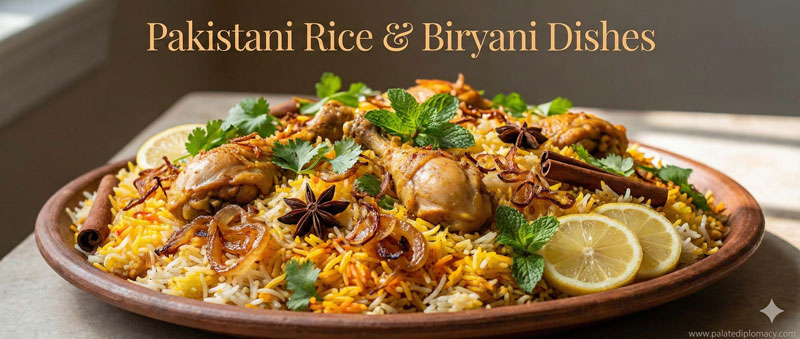
Beef Biryani rests on a few reliable steps that give it its signature character. First, beef is often marinated. Yogurt mingles with spices, garlic, and ginger to tenderize and flavor the meat. Next, rice is chosen for fragrance and length. Basmati rice, washed and soaked, cooks to tenderness without losing individual grains. Then comes layering. Partially cooked rice is laid over a bed of spiced beef. Fried onions, chopped mint, and cilantro appear in alternating layers, along with a hint of saffron or turmeric for color and warmth. Finally, the pot is sealed for dum cooking, a gentle, slow heat that lets steam circulate and mingle flavors. The result is a cohesive dish where the beef juice permeates the rice and the rice, in turn, carries the spices. The technique rewards patience and balance, yielding a dish that is both comforting and refined.
The Flavor Symphony
Beef biryani offers a balanced symphony of taste and aroma. The fragrance of cumin, coriander, cardamom, cloves, and cinnamon rises as the pot opens. Saffron or yellow turmeric adds a warm glow and nuanced sweetness. The tang of yogurt from the marinade keeps the beef juicy, while fried onions contribute sweetness and a crisp, caramelized bite. Fresh mint and cilantro offer cooling brightness, cutting through rich layers. The texture is a dance between buttery, tender beef and fluffy, separate grains of rice. Every bite blends spice heat with a gentle aroma, so the dish feels both comforting and lively. This harmony reflects a culinary sensibility that values balance, restraint, and an eye for detail.
Social and Hospitality Traditions
Beef biryani often marks shared moments. It appears at family gatherings, festive meals, and weekend celebrations. Preparing it becomes a social activity: one person supervises marination, another handles layering, and a third watches the dum with gentle patience. The meal arrives on a large platter, inviting everyone to take portions and share stories. Serving biryani alongside cool yogurt-based raita, crisp salad, and lemon wedges reinforces hospitality. The act of feeding others—carefully scooping a portion, ensuring each plate has beef, rice, and herbs—embodies warmth and generosity. In this way, beef biryani is not just food; it is a practice of welcome and connection.
Regional Threads in Beef Biryani
Within Pakistan, regional variations add texture to the dish while keeping core ideas intact. In Punjab, cooks often emphasize robust spice profiles and generous ghee notes, producing a rich, comforting finish. Sindh offers a lively, aromatic version that can include potatoes and a brighter yogurt tang, giving a slightly different texture and aroma. In Khyber Pakhtunkhwa and Balochistan, cooks may integrate local spices and herbs, tweaking the balance to echo regional gardens and markets. Across these regions, the technique of layering and dum-cooking remains central, yet the flavors tell a regional story. This variety highlights how a shared culinary method can adapt to local tastes, ingredients, and family traditions.
Pairings and Serving Traditions
Beef biryani is commonly paired with cooling accompaniments that enhance the meal. A cucumber-yogurt raita adds freshness and helps balance spice. Simple salads with onions, tomatoes, and lemon provide crisp contrasts. A wedge of lemon or a drizzle of mint chutney can brighten the dish, lifting flavors as the meal progresses. Throughout the experience, the aroma lingers, inviting friends and family to linger at the table and speak softly about the day. These serving traditions reinforce a sense of care and attentiveness that define Pakistani food culture.
Keeping the Tradition Alive
Beef biryani remains a living tradition because it evolves with fresh ingredients and new techniques while honoring its roots. Home cooks pass down marination methods, layering orders, and dum-cooking practices through generations. Chefs experiment with spice balances, meat cuts, and regional twists, keeping the dish dynamic yet recognizable. The result is a dish that travels gently from kitchen to table, carrying memories and shared meals. In this way, beef biryani continues to reflect the beauty of Pakistani culinary culture: a practice built on respect for ingredients, patience in cooking, and a generous spirit of hospitality.
Conclusion
Beef Biryani stands as a flavorful emblem of Pakistani food culture. It speaks of careful technique, layered flavors, and the joy of communal meals. Its regional variations reveal a living, breathing tradition that welcomes change while honoring core methods. The dish invites us to slow down, savor the aroma, and appreciate the care that goes into every grain of rice and every piece of beef. In this way, beef biryani is more than a dish; it is a celebration of culture, craft, and connection at the table.