
Introduction
Welcome to Everything You Need to Know About Sindhi Biryani. This dish stands as a vibrant expression of Sindhi cooking, where rice, meat, and spices come together in harmony. It is not just a meal; it is a celebration of hospitality, family, and shared moments. The recipe blends simple ingredients with careful technique, yielding a fragrant, comforting dish that invites positive, peaceful conversation around the table. In this post, you’ll discover how Sindhi Biryani earned its place in daily meals and special gatherings, and why its flavors still feel timeless today.
The heart of the dish: ingredients and method
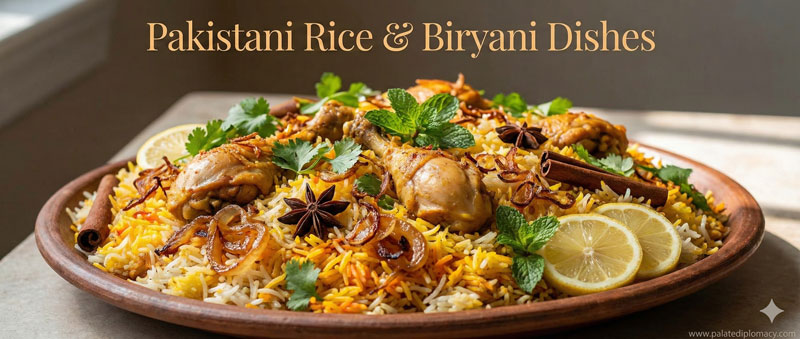
Sindhi Biryani centers on two components: fluffy, separate rice and tender meat cooked with aromatics. The key is balance. Meat is marinated in yogurt and spices to become tender and juicy, while the rice is parboiled and kept light so it can finish steaming with the meat. Common companions include onions fried until crisp, fresh mint and coriander, tomatoes in some families, and a gentle kiss of saffron or rose water for fragrance. Potatoes may appear in some renditions, a nod to regional preference and texture. Nutty ghee adds richness, and a subtle garam masala blends the spices without overwhelming the dish. The final step—laying the meat and par-cooked rice in layers and cooking with lid on—creates a gentle steam, or dum, that blends the flavors together while preserving distinct, individual notes in every bite.
Aromas and texture: a sensory experience
The aroma of Sindhi Biryani is its first greeting. Saffron threads, fried onions, and fragrant herbs rise from the pot, signaling warmth and welcome. Each grain of rice should be separate yet tender, not sticky. The meat should be succulent, releasing juices that mingle with the rice as you lift a spoonful. The contrast between the crisp onions, the Fresh Bite of mint and coriander, and the mellow richness of yogurt-based marinade creates a balanced, comforting profile. This scent and texture invite slow, mindful tasting, encouraging conversation and shared enjoyment.
Cultural place in Sindh: hospitality and gatherings
Sindhi Biryani shines in moments of togetherness. It is often prepared for family feasts, festive occasions, and simple Sunday meals that bring relatives and friends to the same table. The dish embodies hospitality: a host’s care is shown through layered flavors, steady heat, and generous portions. Serving is thoughtful; a well-arranged plate offers color, scent, and a generous aroma that welcomes guests. The act of sharing biryani reflects a kinship with food, where recipes travel through generations and adapt with each household, yet the core spirit remains the same: to nourish the body and unite people around a common, comforting meal.
Serving suggestions and pairings
Sindhi Biryani is complete on its own, yet certain accompaniments enhance the experience. A cool yogurt-based raita offers a gentle contrast to the spices. Fresh salad or a light cucumber-onion salad adds crunch and brightness. A squeeze of lemon or a few mint leaves brightens the plate. In many kitchens, the biryani rests with a side of pickle and a small serving of yogurt to balance heat and richness. These simple pairings help maintain the balance between spice, acidity, and freshness, making each mouthful clean and enjoyable.
Tips from home cooks
- Use long-grain basmati for the best texture, and rinse well to remove excess starch.
- Marinate meat for at least a few hours to deepen flavor and tenderness.
- Parboil the rice until it is about 70% cooked; this helps prevent mushy final texture.
- Layer gently and steam on a low flame to preserve individual grains.
- Add saffron milk or rose water sparingly to perfume without overpowering.
- Finish with a final steam rest before serving to marry the layers.
Regional variations and personal twists
Many families honor Sindhi Biryani with personal touches while retaining its spirit. Some add a hint of dried plums for subtle sweetness; others favor a stronger garam masala profile. The balance between yogurt tang and spice warmth can shift from one kitchen to another, yet the core idea stays: a fragrant, nutritious one-dish meal that encourages sharing. This flexibility allows the dish to feel both rooted and alive, adapting to seasonal ingredients and family preferences while preserving its heritage.
Conclusion
Sindhi Biryani invites care, rhythm, and a sense of belonging to the table. Its cultural value lies in the daily delight of cooking for others, the patience of layering flavors, and the joy of gathering around a well-made, fragrant pot. This dish celebrates how simple ingredients, treated with respect and attention, become something larger than the sum of their parts. Everything you need to know about Sindhi Biryani reveals a dish that is tender, uplifting, and deeply connected to the food culture it comes from.