
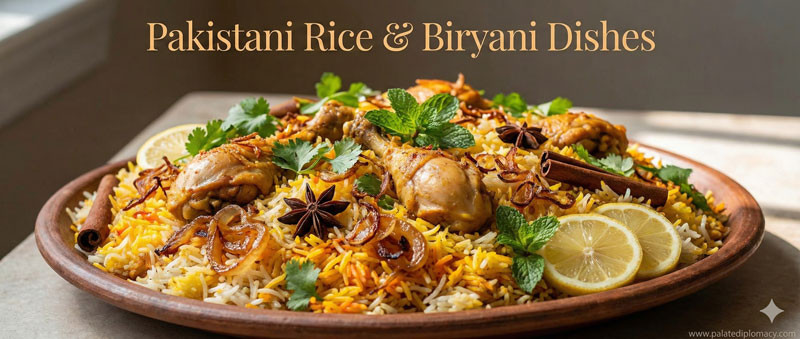
Introduction: A beloved dish in Pakistani cuisine
Chicken biryani holds a special place in Pakistani tables. Its fragrant layers, tender chicken, and fluffy rice invite conversations as much as meals. It travels from home kitchens to family gatherings, market stalls to festive occasions, and back again as a shared memory. The dish speaks of warmth, hospitality, and the joy of preparing something with care for those we love. In this piece, we explore how chicken biryani became a cherished pillar of Pakistani cuisine, focusing on cultural value and culinary significance.
The aroma that invites us in
The magic begins with aroma. A good biryani fills the room with a clear, inviting scent. Cooks marinate chicken in yogurt and a blend of spices—ginger, garlic, cumin, coriander, cardamom, cloves, and cinnamon. This mixture softens the meat and infuses it with depth. Frying onions until they turn a deep gold adds sweetness and body. Saffron or a similar yellow-gold color threads through the rice, lending a noble finish. Finally, a bright note of mint and coriander lifts the dish. Every breath invites you to taste, and every taste invites a return for more.
The dum method: layering for harmony
The heart of biryani lies in its method. The dum technique, a slow steam, seals flavors and textures. Layers of marinated chicken and partially cooked basmati rice are stacked in a heavy pot. Between layers, cooks scatter fried onions, herbs, and sometimes potatoes or tomatoes, depending on regional flair. A splash of saffron-warm water drips through the layers, giving color and fragrance to the top. The lid is sealed to trap steam, and cooking continues gently. The result is a dish where chicken, rice, and spices interweave, creating harmony rather than dominance.
Regional voices within Pakistan
Across Pakistan, biryani wears different regional accents, each valued for its own balance of spice and aroma. Lahore-style biryani tends to be bold and robust, with onions, green chilies, and a confident spice edge. Karachi-style biryani offers brightness and tang, often with a few potato pieces enriching the texture. Multan and southern regions bring a peppery warmth and a deeper color from rich spice blends. Sindh and Balochistan contribute fragrant herbs and a subtle, sunny finish. In every city, the dish reflects local tastes while remaining instantly recognizable as biryani—a shared treasure across communities.
A social thread: meals that bring people together
Biryani is more than a dish; it is a social ritual. Families gather to prepare large pots, often during celebrations or weekend meals. Friends share a platter at a table spread with accompaniments. The steam rising from the pot signals hospitality: guests are welcome, and meals become stories shared aloud. Street vendors and small eateries also carry the flavor into daily life, offering a quick, satisfying version that keeps the tradition alive. In homes and markets alike, biryani fosters conversation, patience, and attention to flavor.
The building blocks: ingredients that tell a story
The core ingredients tell a simple, powerful story. Basmati rice stays separate and light after cooking, each grain plump yet distinct. Chicken provides a comforting, familiar center. Yogurt tenderizes and adds a tangy note that blends with spice. Spices—garam masala, cumin, coriander, cardamom, cinnamon—carry warmth without overpowering. Fresh mint and coriander brighten the dish, while fried onions add sweetness and texture. A touch of saffron or color gives the final shade and a luxury feel. Together, these elements create a dish that is firm in its identity and generous in its flavor.
From home kitchens to eateries: the path of popularity
The journey of chicken biryani into widespread Pakistani popularity began in everyday kitchens. A grandmother’s recipe, shared with daughters and sons, becomes a family staple passed down with care. As cooks opened small cafes and restaurants, biryani found a larger audience without losing its heart. Cooking shows and recipe books helped standardize core techniques while inviting small innovations from home cooks. Today, biryani appears on menus from humble eateries to festive banquet halls, maintaining a consistent sense of welcome and satisfaction. Its adaptability—able to shine in a quiet weeknight dinner or a grand celebration—adds to its enduring appeal.
Serving rituals: companions that enhance the experience
Biryani often appears with complementary dishes that raise the dining experience. A cooling raita provides contrast to the heat and spice. Fresh salad adds crunch and brightness. Slices of lemon offer a final lift of acidity. A handful of fried onions sprinkled on top contribute both fragrance and texture. The serving style emphasizes sharing and balance, inviting guests to savor different notes in each mouthful. These rituals contribute to the dish’s cultural resonance as a symbol of hospitality and collective enjoyment.
Tips for keeping the tradition alive in your kitchen
- Soak the basmati rice briefly and drain well to keep grains separate.
- Marinate the chicken early and let flavors meld in a cool place or overnight if possible.
- Use fried onions generously for sweetness and depth.
- Prepare saffron water ahead of time to ensure even color and aroma.
- Rest the biryani after cooking; a short break helps flavors settle and makes serving easier.
- Keep portions moderate in the pot to prevent crowding; a little space helps the steam circulate.
Conclusion: The timeless beauty of chicken biryani
Chicken biryani remains a luminous thread in Pakistani Food Culture. It blends fragrant spice, tender meat, and fluffy rice into a dish that invites sharing, conversation, and care. Its regional variations celebrate local tastes while maintaining a universal warmth. In every pot and platter, biryani honors hospitality, memory, and the joy of a well-made meal. As it continues to appear at homes, markets, and gatherings, its beauty endures: a fragrant testament to food as a common language of welcome and celebration.