
Introduction
Pulao is more than a dish; it is a quiet celebration of home, heritage, and hospitality. The aroma alone can summon memories of bustling kitchens, shared stories, and meals where every grain matters. In many households, making pulao is a ritual that invites patience, care, and a generous spirit. When done well, it speaks of balance—soft, fluffy rice folded with spices and a touch of sweetness or savoriness that mirrors the local palate. This guide celebrates the cultural value and culinary significance of pulao, showing how a simple pot of rice becomes a living link to everyday life and special occasions alike.
What Makes Pulao a Local treasure
Pulao Stands Out because it mirrors the place it comes from. Each region adds its own touch, from the type of rice to the selection of spices and the choice of add-ins. The dish teaches us to listen to the grain’s texture and to respect the timing of steam and sizzle. Its beauty lies in the balance between a fragrant base and a heartily seasoned finish. Locals savor the way onions caramelize, how spices bloom, and how the last, gentle simmer seals in aroma without turning the grains rubbery. Pulao invites sharing, as a single pot feeds several generations of cooks and tasters who gather to enjoy together.
Regional Variations at a Glance
Pulao travels well, and its variations reveal regional identity without losing its core charm. In some places, cooks favor a milder base with vegetables, while in others meat or fish takes a central role. In the north, saffron, cardamom, and cloves may glitter through the grains, giving a luxurious aroma. In the east and south, peas, carrots, raisins, and nuts find a balanced sweetness that brightens the dish. Kashmiri pulao often pairs bright saffron with dried fruits, offering a delicate sweetness. A Punjabi-style pulao leans hearty, taking on the savor of meat or robust vegetables. Across these variations, the technique remains about layering flavor and letting steam carry the aroma through every forkful. You can taste the care that locals pour into careful preparation, from rice rinsing to the final gentle fold.
Core ingredients That Sing
- Rice: Long-grain, aged basmati is prized for its texture. Rinsing until the water runs clear and soaking briefly helps the grains stay separate during cooking.
- Fat: Ghee lends a rich, nutty note; a neutral oil can support a lighter finish.
- Aromatics: Onions (often sliced thin and caramelized) provide sweetness. Whole spices such as bay leaves, green cardamom, cloves, cinnamon, and cumin seeds perfume the pot.
- Liquid: Stock or salted water carries flavor. A pinch of saffron or kesar threads, steeped in warm liquid, adds color and fragrance.
- Add-ins: Vegetables like peas, carrots, or bell peppers; proteins like chicken, lamb, or fish; and optional dried fruits or nuts for texture and a touch of sweetness.
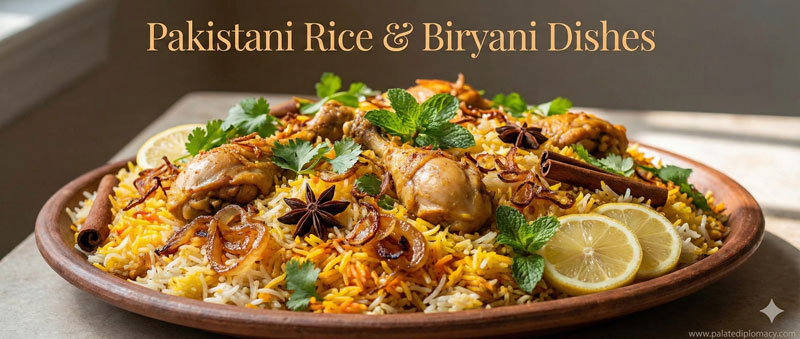
- Garnish: Fried onions (birista), chopped herbs, toasted nuts, and sometimes saffron threads for a final glow.
Techniques That Elevate Pulao
- Rinse and soak: Rinse the rice until the water is clear, then soak for 15–30 minutes. This helps the grains lengthen and separate during cooking.
- Build flavor in stages: Sauté onions until they turn bronze, toast spices briefly, then add meat or vegetables to bloom their flavors.
- Layer and steam: Add the rice and liquid after aromatics, then cover tightly. A gentle simmer and a brief rest time keep the grains fluffy rather than mushy.
- The dum moment (gentle seal): In many homes, cooks seal the pot with a tight lid and a cloth to trap steam. This “dum” method evenly cooks the rice and melds flavors.
- Finishing touch: A final fold of delicate fragrance—whether saffron, a squeeze of lemon, or a sprinkle of herbs—brightens the dish just before serving.
How to Enjoy Pulao Like a Local
- Serve hot and aromatic. Pulao shines when it is fresh from the stove and steaming softly.
- Pair thoughtfully. A cooling raita or a crisp cucumber salad complements the spices. A tangy pickle or a dollop of yogurt balances richness.
- Eat with the senses. Let the aroma invite you to slow down, savor each bite, and share with others. Small conversations often accompany the first spoonfuls, turning a meal into a moment of connection.
- Respect the texture. The goal is separate, tender grains that hold their shape. If the rice clumps, it may signal overcooking or insufficient draining; adjust next time for a lighter bite.
- Mindful portions. Local meals often feature pulao as a centerpiece with small sides. This structure supports a balanced, enjoyable tasting experience.
Pairings, Occasions, and Rituals
Pulao fits many settings. It accompanies everyday meals in homes and can stand proudly at festive gatherings. In family kitchens, cooks may prepare it to celebrate a birthday, a new arrival in the household, or simply to welcome guests. The dish adapts to seasons too: lighter versions with early vegetables in spring, heartier meat-based versions in cooler months, and fruit- and nut-laden variants for special occasions. These customs highlight pulao’s role as a unifier—an inviting dish that gathers people around the table and invites generous, patient sharing.
Practical Tips for Home Cooks
- Choose quality rice. Prefer aged basmati for better texture and aroma.
- Soak with care. A short soak improves grain length without making the rice too soft.
- Manage heat. Start on medium-high to bloom aromatics, then lower the heat to allow a gentle simmer.
- Control moisture. Use enough liquid to hydrate the rice, but not so much that grains become mushy.
- Rest after cooking. Let the pot stand off the heat for a few minutes; this helps the grains set and grow together, yet stay fluffy.
- Adapt to your pantry. If you lack saffron, a pinch of turmeric adds color, while a few drops of lemon juice near the end brighten the dish. If you skip meat, boost flavor with extra vegetables, mushrooms, or paneer for variety.
A Gentle Guide to Regional Taste and Respect
As you explore pulao, listen to the stories behind each bite. The choice of spices, the balance of sweetness and savoriness, and the pace of cooking all reflect a local palate and a long tradition of family meals. When you cook, you honor that tradition by paying attention to each grain, each spice, and each pause between steps. By appreciating these nuances, you join a timeless thread that ties kitchens across regions through shared love of rice, warmth, and hospitality.
Conclusion
Pulao offers more than flavor; it offers a doorway into the heart of a Food Culture. With its flexible ingredients, careful technique, and inviting presentation, pulao remains a beloved staple that travels from stove to table with grace. By learning to prepare pulao Like a local, you honor the craft of cooks who have perfected it over generations and you invite others to share in the experience. May every bite remind you of the beauty found in simple, well-made food and the kindness that welcomes you to the table.