
Introduction
Mixed vegetable curry has earned a bright place in Pakistani cuisine. It is a vibrant, nourishing dish that honors seasonal produce and a warm blend of spices. The curry invites conversation, sharing, and a sense of togetherness at the table. It celebrates everyday cooking with a touch of restaurant-worthy aroma. In homes and small eateries alike, this curry communicates care, welcome, and the beauty of simple ingredients transformed with skill.
A Palette of Home and Hearth
This dish grows from home kitchens across Pakistan. It mirrors the rhythms of the seasons, the markets’ offerings, and the family’s pantry choices. Potatoes, carrots, cauliflower, green beans, peas, and leafy greens appear in varying combinations. Each season brings a slightly different mix, and cooks welcome that variation. In turn, the curry becomes a living canvas where regional tastes shine through. The result is a dish that feels familiar yet endlessly adaptable, a comforting staple that many families can claim as their own.
Techniques and Temptation
The magic starts with a careful base. Sautéed onions release sweetness, then ginger and garlic sharpen the profile. Tomatoes add warmth and body, while a measured blend of cumin, coriander, turmeric, chili, and garam masala builds depth. The vegetables simmer in a tomato-rich broth until they surrender their textures to the sauce. Finally, A Quick tadka—oil or ghee heated with spices and sometimes aromatics like mustard seeds or dried chilies—alarms the senses with a fresh, toasted aroma. This layering of flavors creates a curry that is bright, earthy, and comforting at once.
The Art of Complementary Pairings
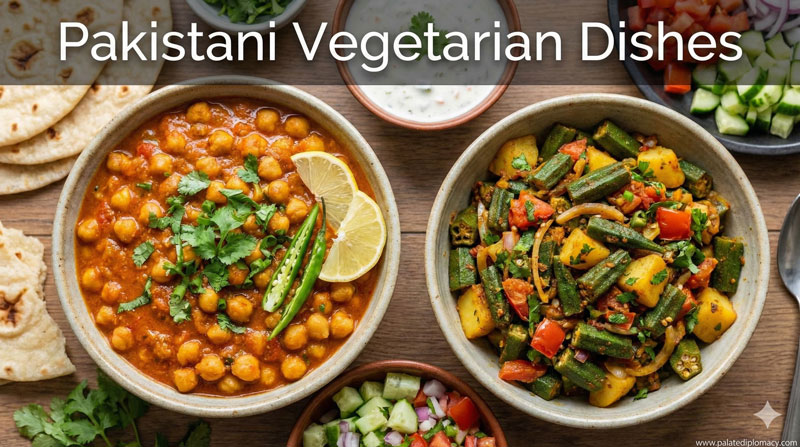
Pakistani cuisine thrives on balance, and mixed vegetable curry shows this beautifully. It pairs with the soft bite of roti or chapati, with fluffy basmati rice, or with a simple paratha. A dollop of yogurt or a cooling raita elevates the dish, offering a gentle contrast to the spices. The texture plays a crucial role too: crisp vegetables give way to tender pieces, while the sauce clings to bread or rice. The result is a savory, satisfying experience that can shift from a quick weekday meal to a centerpiece for a weekend family gathering.
Serving and Hospitality
Hospitality shines through in the way this curry appears at the table. Hosts prepare a generous pan, share from it with friends and relatives, and invite everyone to choose their preferred accompaniments. The dish adapts to many occasions, from a casual dinner to a festive spread, reinforcing a spirit of welcome. The scent itself signals a moment of care, inviting people to sit together and savor the moment. In this way, mixed vegetable curry becomes more than food; it becomes a ritual of sharing.
Regional Voices in One Dish
Across Punjab, Sindh, Khyber Pakhtunkhwa, and Balochistan, cooks put their own stamp on the curry. In some places, the balance leans toward a brighter tomato tang and a lighter spice note. In others, heartier textures and richer gravies prevail. The choice of vegetables, the heat level, and the use of fresh herbs vary, but the core idea remains clear: a colorful, nourishing curry that honors vegetables and technique. This regional diversity within a single dish is a celebration of local markets, kitchen wisdom, and seasonal abundance. It shows how a common concept can carry many voices while staying united by flavor and purpose.
A Living Tradition in Modern Kitchens
Today, mixed vegetable curry travels beyond the stove. Home cooks adapt it to faster weeknight routines with plant-based stews or quicker simmer times, while chefs in small eateries elevate it with precise spice care and seasonal garnishes. Yet the heart stays the same: a dish that welcomes all, respects vegetables, and honors the craft of slow simmering and smart seasoning. Its popularity endures because it remains relevant to modern life while holding firmly to tradition. The curry teaches that nourishment and pleasure can go hand in hand, even in a busy world.
Cultural Value and Culinary Significance
This dish embodies hospitality, family, and daily nourishment. It showcases how a few humble ingredients can become something memorable through technique and care. The cultural value lies in its accessibility and its capacity to bring people together. It respects dietary variety, offering a wholesome vegetarian main that fits a family table or a communal meal. The culinary significance rests in its balance of flavors, its flexible structure, and its enduring appeal. It is a reliable canvas for seasonal vegetables, a textbook example of tempering in Indian and Pakistani cooking, and a testament to how spice, aroma, and texture harmonize.
Conclusion
Mixed vegetable curry is more than a meal. It is a storyteller of Pakistani kitchens, a mirror of regional tastes, and a unifier at the table. With its bright vegetables, careful spice work, and inviting aroma, it communicates warmth, care, and shared joy. The dish stands as a gentle reminder that food can speak with clarity and beauty about culture, season, and community. In every bite, you taste the craft of home cooking and the enduring charm of a dish that welcomes everyone to the table.