
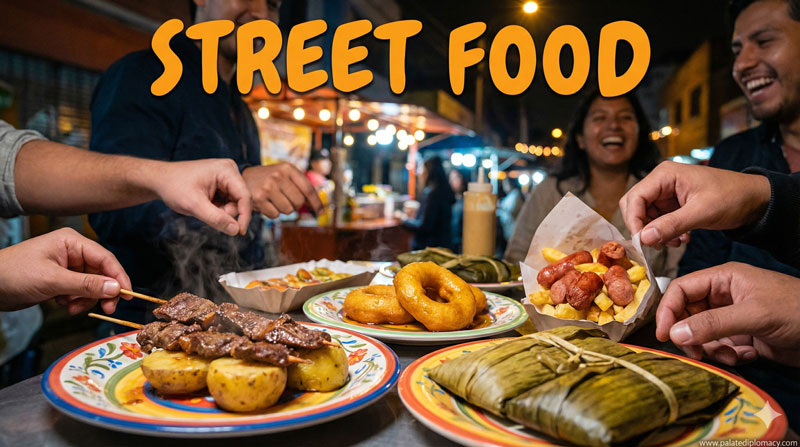
Discovering the Cultural Richness of Street Food Safety Guide
Street Food is a vibrant and essential part of many cultures around the world. Among the most valued resources for enjoying this culinary tradition is the “Street Food Safety Guide.” While the name suggests a focus on safety, its true significance extends far beyond that. It represents a commitment to preserving culinary heritage, fostering community, and celebrating diverse flavors. Let’s explore the cultural and culinary importance of the Street Food Safety Guide and its role in enriching street food experiences.
Celebrating Cultural Diversity Through Street Food
Street food is a mirror reflecting the unique flavors, ingredients, and cooking techniques of a region. The Street Food Safety Guide acts as a bridge, ensuring that these treasured dishes remain accessible and enjoyable. It encourages vendors to uphold hygiene standards, which helps maintain the authenticity and integrity of local recipes. This commitment to safety not only protects consumers but also preserves the cultural identity embedded in each bite.
By promoting best practices, the guide supports a vibrant street food scene that welcomes both locals and visitors. It helps showcase regional specialties, from spicy tacos to fragrant skewers, allowing each culture to shine through its street cuisine. This sharing of flavors fosters mutual appreciation and understanding among different communities.
Enhancing Culinary Significance
Street food often serves as the culinary heartbeat of a city or town. It embodies centuries-old traditions, innovative adaptations, and seasonal ingredients. The Street Food Safety Guide emphasizes the importance of hygiene and quality, which are vital to maintaining the trust and satisfaction of food lovers.
When vendors follow safety protocols, they safeguard the health of their customers and ensure that street food remains a culinary highlight. This encourages more people to try diverse dishes, broadening palates and enriching culinary knowledge. As a result, street food becomes not just quick bites but a celebrated aspect of local gastronomy.
Promoting a Sustainable Food Culture
The guide plays a crucial role in supporting sustainable food practices. It fosters responsible handling of ingredients, proper storage, and cleanliness, which reduce waste and promote health. This sustainable approach sustains the livelihood of street vendors and preserves age-old culinary crafts for future generations.
Moreover, the emphasis on safety elevates the reputation of street food markets, attracting more visitors and encouraging economic growth. It helps position street food as a prestigious and reliable part of the culinary landscape, inspiring pride among vendors and consumers alike.
Conclusion: A Celebration of Food and Culture
The Street Food Safety Guide is more than just a manual—it is a symbol of respect for culinary traditions, health, and community harmony. It ensures that street food remains a delightful, safe, and culturally rich experience for everyone. By supporting safe practices, we celebrate the diverse flavors that make our world a tastier, more colorful place.
Experience the joy of street food with confidence, knowing that safety and tradition go hand in hand. Let this guide inspire you to explore, savor, and appreciate the vibrant street food cultures that make each destination unique.