
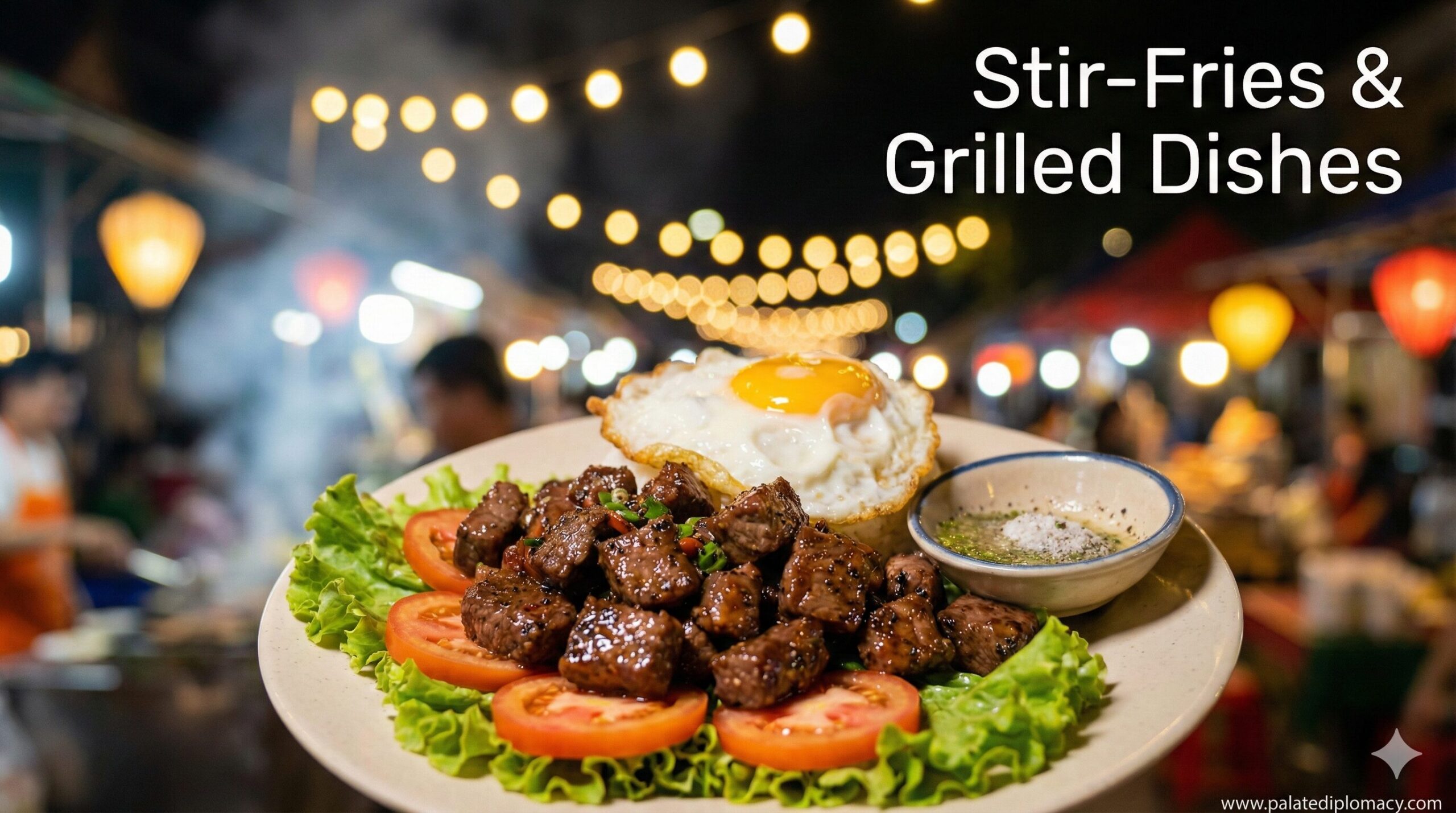
Discovering the Cultural Heritage of Traditional Khmer Garlic Beef
Cambodia, a land of vibrant history and rich culinary traditions, boasts many dishes that reflect its unique cultural identity. Among these, the Traditional Khmer Garlic Beef stands out as a beloved and cherished culinary masterpiece. This dish is more than just a flavorful meal; it embodies the artistry and heritage of Khmer cuisine, offering a taste of the country’s deep-rooted culinary values.
A Reflection of Khmer Culinary Heritage
Khmer cuisine is renowned for its harmonious balance of flavors, fresh ingredients, and intricate preparation techniques. The Traditional Khmer Garlic Beef captures these elements perfectly. Known locally as “Boar Kroeung,” this dish highlights the importance of garlic and beef in Khmer cooking. Garlic, often regarded as a medicinal and culinary staple, is used generously to enhance flavor and bring warmth to the dish. The beef, selected for its tenderness and rich taste, is cooked to perfection, showcasing the skill and care of Khmer chefs.
This dish represents a culinary tradition that emphasizes flavor layering and the use of local herbs and spices. It showcases the Khmer people’s mastery in creating dishes that are hearty yet balanced, aromatic yet subtle. The cooking methods passed down through generations preserve the authenticity and cultural significance of the dish, making it a true symbol of Khmer culinary artistry.
The Culinary Significance of Garlic in Khmer Cuisine
Garlic has a special place in Khmer cooking, not only for its pungent aroma but also for its cultural symbolism. In Cambodia, garlic is believed to possess health benefits and is often used in traditional medicine. Its pungency and aroma are said to symbolize protection and vitality, qualities that are reflected in dishes like the Garlic Beef.
In the Traditional Khmer Garlic Beef, garlic is more than an ingredient; it is the heart of the dish. It provides depth and aroma, tying together the flavors of the beef and other seasonings. Its prominence in the dish signifies the Khmer people’s appreciation for simple, wholesome ingredients that deliver powerful taste experiences.
A Dish Celebrating Local Ingredients and Techniques
The beauty of this dish lies in its reliance on fresh, locally sourced ingredients. Khmer cuisine emphasizes the importance of seasonal produce and spices, which are thoughtfully combined to create complex yet harmonious flavors. The Garlic Beef showcases the Khmer mastery of balancing strong flavors like garlic with the natural richness of beef.
The preparation techniques often involve slow cooking or marinating, which allow the flavors to meld beautifully. This reflects the Khmer culinary philosophy of patience and respect for ingredients, resulting in a dish that is both comforting and celebratory.
The Role of Traditional Khmer Garlic Beef in Social and Cultural Settings
In Cambodia, food is a vital part of social gatherings, religious ceremonies, and family celebrations. The Traditional Khmer Garlic Beef is often featured during special occasions, symbolizing prosperity and good fortune. It is served with rice and complemented by fresh herbs and vegetables, reflecting the Khmer emphasis on fresh, wholesome eating.
Sharing this dish fosters community bonds and honors cultural heritage. Its presence at festivities underscores the importance of tradition, family, and the joy of sharing a delicious meal rooted in centuries-old culinary practices.
Embracing the Culinary Legacy
The Traditional Khmer Garlic Beef is more than just a delightful dish—it’s a testament to Cambodia’s rich culinary legacy. It embodies the Khmer people’s love for bold flavors, respect for ingredients, and mastery of Cooking Techniques. Exploring this dish offers a window into the heart of Khmer culture and a chance to appreciate the timeless beauty of traditional Cambodian Cuisine.
Whether you are a food enthusiast or a curious traveler, experiencing the flavors of Khmer Garlic Beef is a journey into Cambodia’s vibrant culinary soul. It invites you to savor the rich, aromatic, and culturally significant dishes that define this beautiful nation’s food heritage.