
Venezuelan Tequeños: Nutrition Facts and Benefits
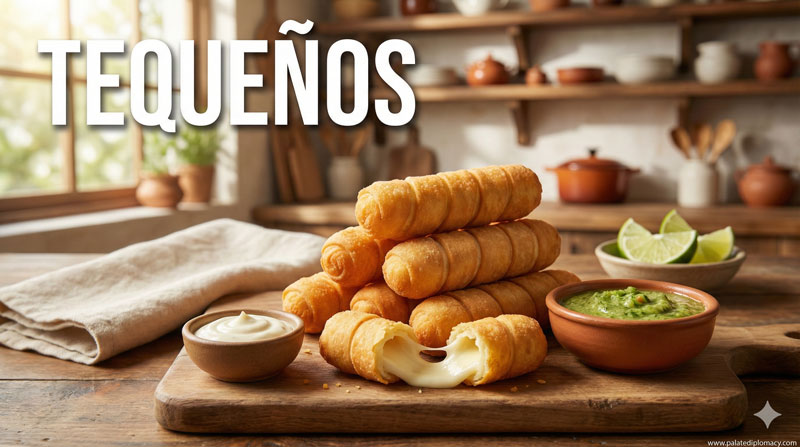
Venezuelan tequeños are a beloved culinary treasure that showcase the country’s rich food culture. Known for their crispy exterior and delicious filling, tequeños are more than just a snack—they are a symbol of Venezuelan hospitality and tradition. In this article, we explore the nutrition facts and health benefits of this iconic dish, highlighting why they hold such a special place on local tables and festivities.
The Cultural Significance of Tequeños
Tequeños originated in the town of Los Teques, Venezuela, and have since become a staple across the nation. These cheese-filled breadsticks are often served during celebrations, family gatherings, and casual get-togethers. Their popularity lies in their simple yet irresistible flavor, making them a favorite among children and adults alike.
Beyond their delicious taste, tequeños are a reflection of Venezuelan ingenuity in combining basic ingredients like flour, cheese, and oil into something extraordinary. They embody the warmth and convivial spirit of Venezuelan culinary traditions, bringing people together through shared enjoyment. Whether enjoyed as an appetizer or a festive treat, tequeños truly embody the cultural essence of Venezuelan cuisine.
Culinary Significance of Tequeños
The preparation of tequeños highlights the mastery of Venezuelan bakers and chefs. The balance of crispy pastry with gooey cheese demonstrates a delicate harmony of textures and flavors. They are often paired with various dipping sauces, adding to their versatility and appeal.
Tequeños also serve as a canvas for culinary creativity. Different regions and families may add unique twists, such as incorporating herbs or spices into the dough. Despite these variations, the core concept remains the same: a delightful combination of crispy bread and savory cheese.
This dish’s culinary significance extends beyond its taste; it symbolizes the resourcefulness of Venezuelan cuisine. It showcases how simple ingredients can be transformed into an iconic dish that celebrates local flavors and culinary craftsmanship.
Nutritional Facts of Venezuelan Tequeños
Understanding the nutrition facts of tequeños helps appreciate their role as part of a balanced diet. Each serving generally contains a combination of carbohydrates, fats, and proteins, primarily derived from the dough and cheese filling. Since tequeños are usually fried, they are a source of energy and richness, which can be enjoyed in moderation.
A typical tequeño provides approximately 150-200 calories per piece, with variations depending on size and preparation method. They contain moderate amounts of fat, mainly from vegetable oil used in frying. The cheese filling adds protein and calcium, contributing to the dish’s nutritional value.
Benefits of Enjoying Tequeños
While tequeños are often considered a treat, they also offer some health benefits when consumed mindfully. The cheese provides essential nutrients such as calcium, protein, and B vitamins, which support bone health and muscle function. The carbohydrates in the bread serve as a quick energy source, ideal for active lifestyles.
Moreover, tequeños represent a cultural connection that fosters social bonds and joyful gatherings. Sharing this dish enhances communal experiences and celebrates Venezuelan culinary heritage.
Final Thoughts
Venezuelan tequeños are more than just a tasty snack. They embody a rich cultural tradition and culinary artistry, bringing people together through their irresistible flavor and comforting presence. Appreciating their nutritional aspects allows us to enjoy this iconic dish responsibly and with gratitude for its significance in Venezuelan Food culture.
Whether served during special occasions or as a delightful appetizer, tequeños continue to enchant taste buds and hearts. They stand as a delicious reminder of the joy that simple, well-crafted food can bring, celebrated across generations in Venezuela.