
Venezuelan Tequeños Ingredient Substitutions Guide
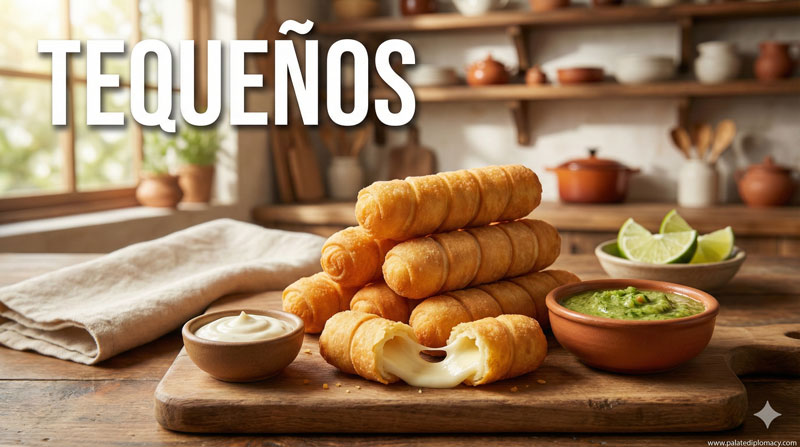
Venezuelan Tequeños are a beloved culinary treasure, celebrated for their crispy exterior and gooey cheese filling. Known as a festive snack or appetizer, tequeños hold a special place in the hearts of many food lovers. Their simple yet irresistible flavor captures the essence of Venezuelan cuisine—rich, comforting, and full of tradition. Understanding the ingredients that make up tequeños allows enthusiasts and home cooks alike to appreciate this iconic dish even more. This guide explores various ingredient substitutions, highlighting their cultural significance and culinary adaptability.
The Cultural Significance of Tequeños
Tequeños are more than just a tasty treat; they are a symbol of celebration and community. Often enjoyed during special occasions, family gatherings, and festivals, tequeños bring people together around shared flavors and traditions. Their origins trace back to the vibrant culinary landscape of Venezuela, where cheese and dough have long been central ingredients in local dishes. The unique combination of textures and flavors in tequeños reflects the country’s love for bold, comforting foods. These snacks exemplify Venezuelan hospitality and the joyful spirit of sharing good food.
The Core Ingredients and Their Role
At the heart of tequeños are two main components: the cheese and the dough. The cheese provides the signature gooey center, while the dough envelops it with a crispy shell. Traditional recipes often use specific types of cheese, such as queso blanco or queso de mano, known for their meltability and mild flavor. The dough typically consists of wheat flour, butter, and sometimes eggs, creating a tender yet sturdy wrapper.
Ingredient Substitutions and Their Cultural Context
When making tequeños, ingredient substitutions can accommodate dietary needs, local availability, or personal preferences. While some substitutions may alter the authentic flavor, they can still preserve the dish’s essence and cultural significance.
Cheese Substitutions
- Queso Blanco or Queso de Mano: The traditional cheeses are mild, semi-soft, and melt well. If unavailable, consider using mozzarella or Monterey Jack. These cheeses offer similar meltability and mild flavor, maintaining the gooey center that defines tequeños.
- Cheddar or Other Hard Cheeses: Using sharper cheeses like cheddar can add a different flavor profile. While less traditional, it can introduce a unique twist, reflecting regional tastes and ingredient availability.
Dough Substitutions
- Wheat Flour: The classic choice for the dough, providing structure and crispness. For gluten-free options, rice flour or cornmeal can be used, though they may change the texture.
- Butter or Margarine: Butter is traditional for richness, but margarine or vegetable shortening can be suitable alternatives, especially for dietary restrictions or preferences.
- Eggs: Eggs help bind the dough and add tenderness. Egg-free doughs can be created using flaxseed or chia seed substitutes for a vegan approach.
Embracing Local Flavors and Variations
Venezuelan cuisine is rich in regional ingredients and flavors. Incorporating local herbs, spices, or even different types of cheese can personalize tequeños while honoring their cultural roots. For example, adding a sprinkle of oregano or cumin to the dough can bring a subtle aromatic touch, blending tradition with regional diversity.
Celebrating the Spirit of Tequeños
This dish exemplifies the ingenuity and warmth embedded in Venezuelan culinary traditions. Its versatility allows for creative substitutions while still celebrating the dish’s heritage. Whether enjoyed as a casual snack or a festive appetizer, tequeños continue to foster a sense of community and joy through shared flavors.
Final Thoughts
Understanding the ingredients behind Venezuelan tequeños and exploring possible substitutions opens a new world of culinary possibilities. It highlights the dish’s adaptability and its cultural significance as a symbol of sharing and celebration. By respecting traditional ingredients and embracing local variations, food enthusiasts can keep the spirit of tequeños alive and well—deliciously bridging the gap between tradition and innovation.