
Exploring the Cultural Significance of Venezuelan Tequeños: Shape and Size Variations
Venezuelan tequeños are more than just a delicious snack; they are a vibrant expression of culinary artistry and cultural identity. Known for their crispy exterior and creamy cheese filling, these treats are loved throughout Venezuela and have gained popularity worldwide. One of the most fascinating aspects of tequeños is their diverse range of shapes and sizes, which reflect regional traditions and creative craftsmanship. In this post, we explore how shape and size variations enhance the cultural value and culinary significance of this iconic Venezuelan delicacy.
The Traditional Roots of Tequeños
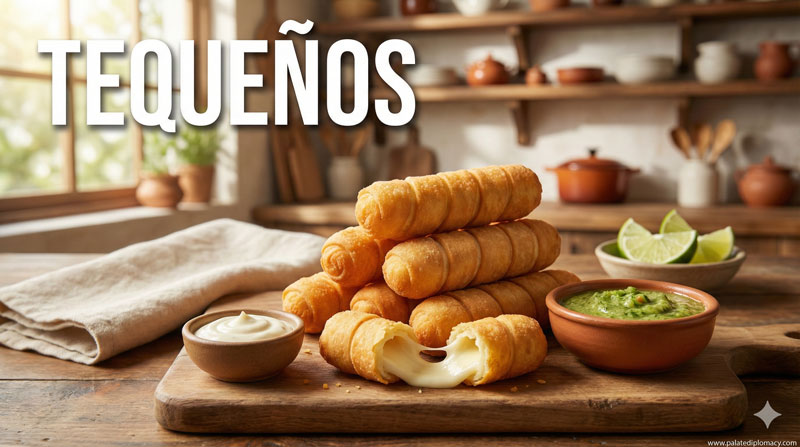
Tequeños originate from the region surrounding the city of Los Teques, Venezuela. Traditionally, they are prepared with a simple dough made from flour, butter, and water, wrapped around a solid piece of cheese. The shape usually resembles a long, slender stick, making them easy to handle and perfect for sharing. This classic form has become a symbol of communal gatherings, celebrations, and everyday enjoyment. Over time, however, bakers and cooks began experimenting with different shapes and sizes, showcasing the rich diversity of Venezuelan cuisine.
Shape Variations and Their Cultural Meaning
While the traditional tequeño is a straight, elongated stick, regional variations have introduced a variety of creative shapes. Some are crafted into spirals, twists, or intricate knots, each carrying its own cultural charm. For instance, spiral tequeños are often used during festive occasions, symbolizing unity and continuity. Knotted or braided versions are popular in certain regions, reflecting local craftsmanship and artistic expression. These shape variations are more than aesthetic choices; they are a testament to the ingenuity and cultural pride of Venezuelan bakers. They also enhance the eating experience, providing different textures and visual appeal.
Size Diversity and Culinary Significance
Tequeños come in an array of sizes, from bite-sized snacks perfect for appetizers to larger portions suitable for main treats. Smaller tequeños are often served at parties, festivals, or as Street Food, allowing people to enjoy a quick, flavorful bite. Larger versions are common for family meals or special celebrations, serving as a centerpiece of the snack table. The size diversity reflects the versatile role tequeños play in Venezuelan social life. They are adaptable to various occasions, whether casual or festive, emphasizing their importance in daily and celebratory contexts.
Cultural Value Embedded in Shape and Size
The variations in shape and size showcase the creativity and regional pride embedded in Venezuelan culinary traditions. Each form tells a story of local tastes, craftsmanship, and communal celebrations. These differences also allow for personalization, enabling bakers to infuse their unique touch into each batch. Moreover, the visual diversity of tequeños, with their various shapes and sizes, makes them appealing and inviting, encouraging shared experiences and cultural pride.
Celebrating Venezuelan Culinary Heritage
Venezuelan tequeños, with their charming shapes and sizes, are a testament to the country’s rich culinary heritage. They symbolize joy, community, and culinary artistry. Whether in their traditional form or in creative variations, tequeños continue to delight people and preserve cultural traditions. They remind us that food is a powerful way to celebrate identity and connect with others.
Conclusion
The shape and size variations of Venezuelan tequeños highlight their cultural significance and culinary artistry. These delightful treats are more than just a snack; they are a vibrant expression of Venezuelan heritage and creativity. As you enjoy tequeños, take a moment to appreciate the diversity and craftsmanship that make each piece unique. They are a delicious celebration of tradition, community, and culinary innovation that continues to bring people together, one bite at a time.