
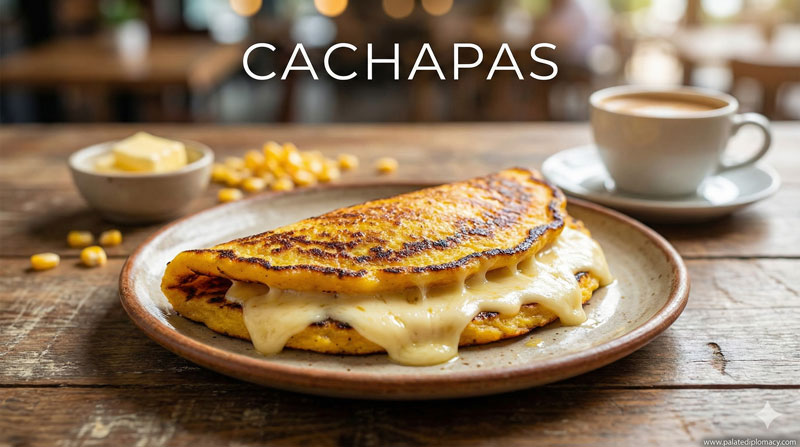
Venezuelan Cachapas Equipment and Pan Guide
Venezuelan cachapas are more than just a traditional dish—they are a celebration of the country’s rich culinary heritage. Known for their sweet, tender corn flavor and versatile nature, cachapas hold a special place in Venezuelan cuisine. To truly appreciate and enjoy this delightful dish, understanding the essential equipment and pans used is invaluable. Let’s explore the tools that bring cachapas to life and uncover their cultural significance.
The Cultural Significance of Cachapas
Cachapas are a beloved staple in Venezuelan households and Street Food stalls alike. These corn pancakes symbolize community, celebration, and a deep connection to nature’s bounty. Made from fresh, locally sourced corn, they reflect Venezuela’s agricultural roots and the country’s artisanal spirit. Serving cachapas often involves sharing with family and friends, embodying a sense of togetherness and warmth.
Historically, cachapas have been enjoyed for generations, passed down through families as a cherished tradition. They are versatile, served plain or filled with cheese, meats, or other local ingredients, making them suitable for any time of day—breakfast, lunch, or dinner. Their simple yet delicious flavor profile captures the essence of Venezuelan hospitality and culinary pride.
Essential Equipment for Making Cachapas
Creating authentic cachapas requires specific tools that enhance their texture and flavor. While modern appliances can be used, traditional equipment truly captures the essence of Venezuelan culinary techniques.
1. Cast Iron or Non-Stick Skillet
A reliable skillet is the cornerstone of cachapa preparation. Cast iron skillets distribute heat evenly and develop a natural non-stick surface over time, making them ideal for achieving a beautifully golden crust. Non-stick pans are also a convenient option, especially for Beginners, ensuring the pancakes do not stick and are easy to flip.
2. Wooden Spatula or Turner
A sturdy spatula assists in flipping the cachapas gently, preserving their round shape and delicate texture. Wooden utensils are favored for their gentle touch and traditional feel.
3. Blender or Food Processor
While not used directly for cooking, these appliances are essential for preparing smooth corn batter. They help blend fresh corn kernels into a consistent mixture that results in tender, flavorful cachapas.
4. Measuring Cups and Spoons
Accurate measurements ensure the perfect batter consistency, leading to cachapas with ideal thickness and flavor.
The Pan: A Key Element
The choice of pan impacts the final outcome of cachapas. Traditionally, a flat, wide skillet—preferably made of cast iron—is used. Its even heat distribution ensures the batter cooks uniformly, developing a crispy exterior while maintaining a soft interior. For those seeking authenticity, maintaining a seasoned cast iron pan is highly recommended, as it adds to the flavor and authenticity of the dish.
Preserving the Cultural Heritage
Using the right equipment not only elevates the quality of cachapas but also preserves an important aspect of Venezuelan culinary tradition. The tools and techniques passed down through generations reflect a deep respect for local ingredients and the art of cooking. Each time you prepare cachapas with these tools, you connect with a vibrant cultural tapestry rooted in shared meals and community.
Final Thoughts
Making Venezuelan cachapas is a journey into a flavorful world that celebrates simplicity, tradition, and local ingredients. The right equipment enhances this experience, allowing you to appreciate the dish’s texture, aroma, and cultural importance fully. Whether you are a seasoned chef or a curious food lover, embracing the tools of Venezuelan cachapas enriches your culinary exploration and deepens your understanding of this remarkable dish.
Enjoy the process and savor the delicious results—cachapas are more than food; they are a heartfelt expression of Venezuelan Food culture.