
Exploring the Cultural Value of Venezuelan Cachapas and Ingredient Substitutions
Venezuelan cachapas are a beloved culinary treasure that highlight the richness of Venezuelan Food culture. These sweet, corn-based pancakes are cherished for their vibrant flavor, tender texture, and versatility. They serve as a delicious symbol of local culinary artistry and bring people together around the table. Understanding the ingredients used in cachapas and their potential substitutions provides insight into how this iconic dish can be enjoyed in various contexts while honoring its cultural roots.
The Culinary Significance of Cachapas
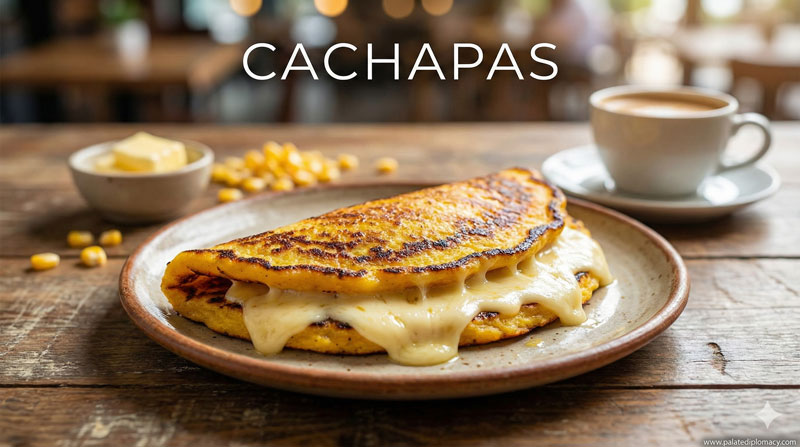
Cachapas are a reflection of Venezuela’s deep connection to corn, a staple ingredient in many traditional dishes. Made primarily from fresh or frozen corn, these pancakes celebrate the natural sweetness and aroma of the corn kernels. Typically, cachapas are topped with soft cheese, like queso de mano, adding a creamy and salty contrast that enhances their flavor profile. This combination exemplifies the Venezuelan knack for blending sweet and savory ingredients to create balanced, flavorful bites.
Beyond their taste, cachapas hold cultural importance as a dish that embodies community and tradition. They are often enjoyed as a breakfast or snack, bringing friends and families together. Their simple yet hearty nature makes them accessible to many, fostering a sense of shared culinary heritage. The dish’s versatility allows it to be adapted for various tastes while maintaining its authentic identity.
Ingredient Substitutions and Their Cultural Implications
While traditional cachapas call for fresh corn, cheese, and sometimes milk or eggs, culinary creativity can lead to thoughtful substitutions. These adaptations ensure that the essence of cachapas remains accessible to those with different dietary preferences or ingredient availability, all while honoring its cultural significance.
-
Corn Alternatives: If fresh or frozen corn is unavailable, canned sweet corn can serve as an effective substitute. For a more authentic experience, some cooks use filtered cornmeal or polenta, which offers a similar texture and flavor. These alternatives help preserve the characteristic sweetness and moistness of cachapas.
-
Dairy Substitutes: Traditional cachapas are topped with queso de mano or similar soft cheeses. For dairy-free options, plant-based cheeses or spreads like cashew cheese can provide a comparable creamy element. These substitutions reflect modern culinary trends without compromising the dish’s essence.
-
Binding Agents: Eggs are often used to help bind the batter. Vegans or those with allergies might consider flaxseed or chia seed gels as plant-based binders. These substitutions maintain the batter’s cohesiveness, allowing the dish to be enjoyed by a broader audience.
-
Milk and Dairy Alternatives: If milk is not preferred, options like almond milk, soy milk, or rice milk work well. They maintain moisture and richness, keeping the cachapas tender and flavorful.
Celebrating Authenticity with Flexibility
Understanding and experimenting with ingredient substitutions deepens appreciation for cachapas as a culinary form that welcomes innovation while respecting tradition. Each substitution carries its own cultural story—whether it’s adapting to dietary needs or ingredient availability—highlighting the dish’s adaptability and enduring appeal.
Cachapas are more than just a dish; they are a celebration of Venezuelan culinary artistry and community spirit. By exploring different ingredient options, food lovers can connect with this vibrant tradition in a way that respects its history and enhances its flavor. Whether enjoyed in its classic form or with thoughtful substitutions, cachapas continue to bring joy and cultural richness to those who savor them.
Embrace the Flavorful Heritage of Cachapas
In the end, the beauty of cachapas lies in their ability to evolve while maintaining their core identity. They embody the warmth, richness, and diversity of Venezuelan food culture. Through mindful ingredient substitutions, everyone can experience the magic of cachapas, celebrating their culinary significance and cultural value. So, whether you stick to tradition or add your personal touch, remember that each bite connects you to a vibrant culinary heritage that continues to inspire and delight.