
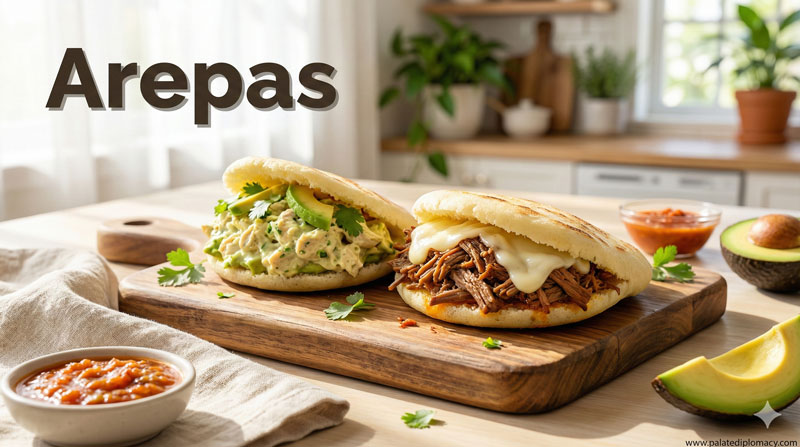
Exploring the Cultural Richness of Venezuelan Arepas
Venezuelan arepas are more than just a tasty dish—they are a vibrant symbol of national identity and culinary artistry. These versatile, corn-based breads have been cherished for generations, embodying the warmth and community spirit that define Venezuelan cuisine. Each bite reflects a tradition rooted in centuries of careful preparation and cultural expression, making arepas a beloved staple across the country.
The Significance of Arepas in Venezuelan Food Culture
Arepas hold a special place in the hearts of Venezuelans. They are often regarded as a culinary canvas, allowing for endless creative variations that cater to different tastes and occasions. Whether served at breakfast, lunch, or dinner, arepas bring families and friends together. They are typically enjoyed in everyday life, from bustling markets to cozy homes, highlighting their role as a unifying food that transcends social boundaries.
This dish is deeply embedded in Venezuelan social customs and celebrations. It symbolizes hospitality and sharing, often presented as a welcoming gesture for guests. The versatility of arepas also mirrors the rich diversity of ingredients and cooking styles across regions, reflecting the dynamic nature of Venezuelan cuisine.
Culinary Significance and Variations
Arepas are celebrated for their culinary adaptability. They can be made with various types of corn flour, each lending a unique flavor and texture. The preparation method influences the final dish, showcasing a fascinating spectrum from simple, soft arepas to crispy, grilled varieties. This diversity highlights the ingenuity of Venezuelan cooks, who master different techniques to create their perfect arepa.
Among the many cooking methods, some prefer baking, others favor frying or grilling. Each technique offers a distinctive taste experience and visual appeal. For example, grilled arepas develop a smoky aroma and crispy exterior, while fried versions are golden and tender inside. Regardless of the method, the core ingredient remains the same, emphasizing the importance of tradition and innovation in Venezuelan culinary practice.
Celebrating Arepas: A Cultural Culinary Heritage
The different cooking methods of arepas enrich the culinary tapestry of Venezuela. They showcase a deep respect for tradition while embracing new flavors and techniques. This adaptability ensures that arepas remain relevant and cherished in modern Venezuelan cuisine. Chefs and home cooks alike continue to experiment with fillings and toppings, further celebrating the dish’s cultural significance.
Arepas also serve as a culinary ambassador, allowing Venezuelan Food to be shared and appreciated worldwide. Their approachable ingredients and adaptable preparation make them an accessible and inviting dish for any food lover. Whether enjoyed plain or elaborately filled, arepas remain a symbol of Venezuelan culinary pride—a dish that brings people together through its rich history and cultural depth.
Final Thoughts
Venezuelan arepas are more than just a food item; they are a reflection of a vibrant and diverse cultural heritage. Their various cooking methods not only showcase the culinary skill involved but also highlight the importance of tradition, community, and innovation. By exploring how these different techniques shape the dish, we gain a deeper appreciation for the artistry and cultural significance embedded in every Venezuelan arepa.
Enjoying an arepa is an invitation to experience a piece of Venezuela’s rich culinary story—a story of warmth, creativity, and shared joy.