
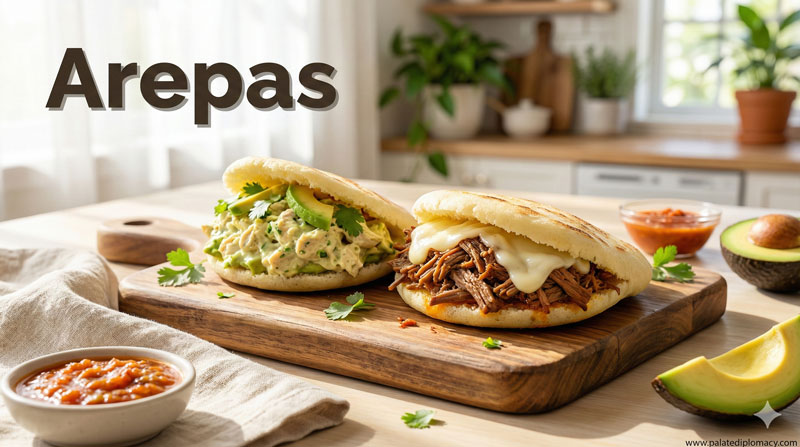
Venezuelan Arepas: Regional Variations Explained
Arepas are a cherished staple in Venezuelan cuisine, celebrated for their versatility, rich flavors, and cultural significance. These delightful cornmeal cakes serve as a symbol of Venezuelan culinary tradition, bringing communities together around breakfast tables, lunch gatherings, and festive celebrations. Understanding the regional variations of arepas reveals the depth and diversity of Venezuelan food culture, showcasing how local ingredients and tastes influence this timeless dish.
The Cultural Significance of Arepas in Venezuela
In Venezuela, arepas are much more than a simple food item; they embody a sense of heritage and identity. Every region has its own take on this beloved dish, reflecting local flavors, ingredients, and culinary techniques. Arepas are often enjoyed as a communal meal, fostering a sense of belonging and shared tradition. From early mornings to late evenings, these cornmeal cakes are an integral part of daily life, bringing warmth and comfort to Venezuelans across the country.
Common Ingredients and Basic Preparation
At its core, an arepa is made from ground corn dough or flour, which is shaped into a patty and then cooked. The primary ingredient, corn, is a vital crop in Venezuela, and its rich flavor shines through in every bite. Although basic recipes use simple ingredients like cornmeal, water, salt, and sometimes a bit of oil, the regional variations emerge through the addition of local ingredients, fillings, and cooking methods. This flexibility allows each region to create a unique profile that reflects local tastes and culinary traditions.
Regional Variations of Venezuelan Arepas
Venezuela’s diverse geography influences its regional arepa styles, making each area unique and worth exploring.
Central and Coastal Regions
In the central and coastal areas, arepas tend to be thinner and crispier. They are often filled with fresh ingredients like cheese, shredded beef, or seafood. These arepas are commonly enjoyed as Street Food or quick snacks, highlighting the region’s access to fresh, coastal produce.
Andean Regions
The Andean regions favor heartier, thicker arepas that serve as a meal on their own. These arepas are often baked or grilled until golden, then topped with cheese, butter, or avocados. The emphasis here is on sustaining energy and comfort, reflecting the mountainous landscape and cooler climate.
Orinoco River Basin
In the fertile Orinoco River basin, arepas are often prepared with slightly different grains or mixed with plantains, giving them a sweeter, more complex flavor. Local fillings might include beans or meats, emphasizing the region’s agricultural richness.
Llanos (Plains) Region
The Llanos region features arepas that are simpler and more rustic, frequently used as a base for hearty fillings like shredded beef or pork. Their robust flavor pairs well with the region’s abundant livestock, emphasizing the pastoral roots of the area.
The Culinary Significance of Fillings and accompaniments
While the basic arepa forms the foundation, the fillings and accompaniments elevate the dish into a full culinary experience. Cheeses, shredded meats, black beans, avocado, or even eggs can fill or top arepas. These variations reflect local ingredients and culinary preferences, showcasing the adaptability and cultural richness of the dish.
Celebrating Venezuelan Arepas
Venezuelan arepas symbolize more than just nourishment; they embody community, tradition, and regional pride. Celebrations and family gatherings often feature a variety of arepas, showcasing regional styles side by side. The dish’s flexibility and universal appeal make it a true culinary treasure, inviting everyone to explore and appreciate the rich flavors and traditions of Venezuela.
Conclusion
Venezuelan arepas offer a window into the country’s diverse culinary landscape. With regional variations that highlight local ingredients, flavors, and techniques, these cornmeal cakes stand as a testament to Venezuela’s vibrant food culture. Whether enjoyed plain or filled with delicious toppings, arepas continue to unite communities and celebrate the rich heritage behind this iconic dish. Discovering the different styles of arepas promises an inviting journey into the heart of Venezuelan tradition and taste.