
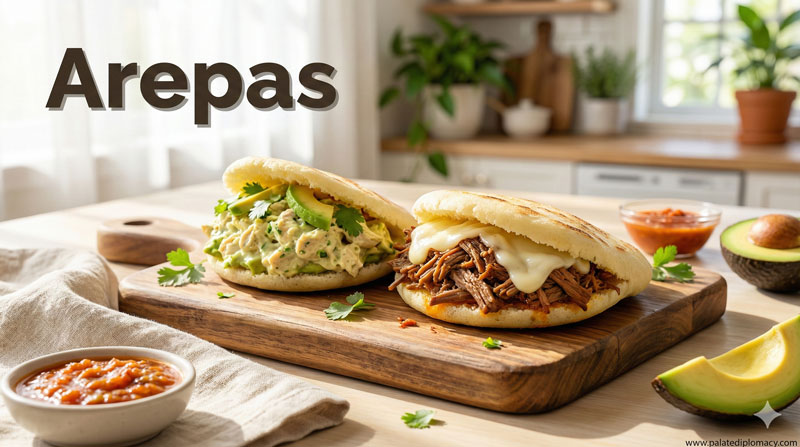
Introduction to Venezuelan Arepas: A Culinary Icon
Venezuelan arepas are more than just a popular food; they are a symbol of cultural pride and culinary tradition. These versatile, round cornmeal cakes have been enjoyed for generations and hold a special place in the heart of Venezuelan cuisine. Known for their comforting texture and endless filling options, arepas bring communities together and showcase the rich flavors of the region. In this article, we explore the cultural history and significance of arepas, highlighting their role in shaping Venezuela’s culinary identity.
The Cultural Roots of Arepas
Arepas have deep roots in Venezuelan history, with origins stretching back thousands of years. Indigenous peoples in the region cultivated and used corn as a staple ingredient long before the arrival of European settlers. The traditional method involved milling dried corn into a fine meal, which was shaped into flat, round cakes, then cooked over an open flame or on hot stones. This method created a simple yet satisfying dish that could be easily prepared and enjoyed daily.
Throughout generations, the Recipe for arepas has evolved but has retained its core elements. Today, they serve as a cultural touchstone that connects modern Venezuelans with their ancestral past. Arepas are not merely food; they are an embodiment of community, tradition, and shared heritage.
Culinary Significance of Arepas
Arepas are celebrated for their adaptability and flavor. Their neutral base made from cornmeal provides the perfect canvas for an array of fillings, from cheeses and meats to avocados and beans. This versatility allows for a variety of culinary expressions, making arepas suitable for any meal of the day—breakfast, lunch, or dinner.
The preparation of arepas emphasizes simplicity and quality. The cornmeal used is often finely ground to ensure a smooth, tender interior with a crispy exterior. The process of flattening and grilling or baking the dough results in a hearty yet tender cake that holds fillings well. Their portability and ease of making make arepas a favorite for family gatherings, festivals, and everyday sustenance.
Arepas as a Cultural Symbol
Beyond their culinary appeal, arepas symbolize unity and sharing within Venezuelan society. They are often presented in communal settings where friends and families gather to enjoy hearty meals together. Sharing arepas fosters a sense of community and connection, making them much more than just a dish—they are a social tradition.
In addition, arepas have become a source of cultural pride and identity. They feature prominently in Venezuelan celebrations and national cuisine, represented in restaurants, street vendors, and home kitchens alike. Their distinctive shape and taste evoke a sense of nostalgia and belonging among Venezuelans, reinforcing their cultural heritage.
The Enduring Legacy of Arepas
Today, Venezuelan arepas continue to thrive both within the country and around the world. Chefs and food enthusiasts celebrate their rich history and culinary versatility, incorporating traditional and modern fillings to create innovative dishes. Despite changes in food trends, arepas remain a symbol of tradition and cultural expression.
In conclusion, Venezuelan arepas are much more than a simple food item. They embody history, community, and identity. Their enduring popularity highlights their importance as a culinary treasure that unites people through shared flavors and cultural pride. Whether enjoyed plain or filled with delicious ingredients, arepas truly reflect the beautiful diversity and rich heritage of Venezuela’s culinary landscape.