
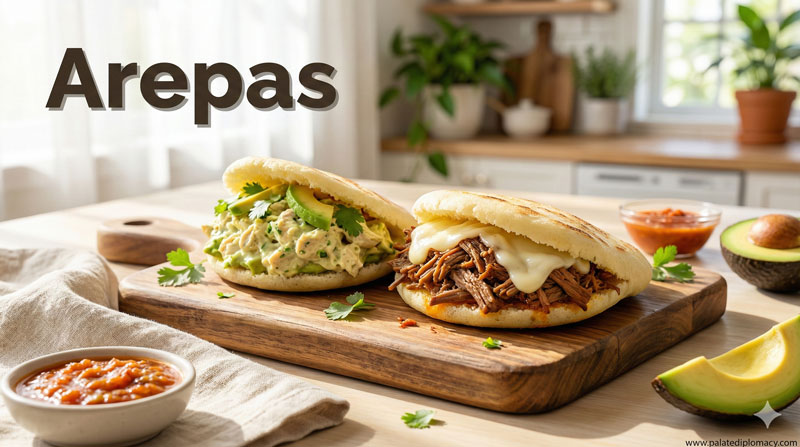
Discovering the Cultural Beauty of Venezuelan Arepas
Venezuelan arepas are more than just a delicious food; they are a vibrant symbol of cultural identity and culinary tradition. These versatile cornmeal discs serve as a cornerstone of Venezuelan cuisine, showcasing the country’s rich agricultural heritage and deep-rooted flavors. When you explore the world of arepas, you are delving into a culinary practice that has been celebrated across generations and regions.
The Significance of Arepas in Venezuelan Culture
Arepas hold a special place in Venezuelan daily life. They are often enjoyed at breakfast, lunch, or dinner, serving as a blank canvas for a wide variety of fillings and toppings. The simplicity of their ingredients—mainly cornmeal—belies the complexity of their cultural significance. Arepas symbolize community, tradition, and shared experiences, bringing families and friends together around the dining table.
Throughout Venezuela, each region offers its own take on arepas, reflecting local ingredients and tastes. Whether filled with cheese, meats, avocados, or beans, the versatility of arepas means they adapt to every mood and occasion. This adaptability underscores their importance as a staple food, offering both comfort and cultural pride.
The Culinary Craft of Making Arepas
The process of preparing arepas involves a blend of skill, patience, and tradition. From selecting the right type of cornmeal to shaping and cooking the discs to perfection, each step requires attention and care. Skilled cooks often pass down their techniques through generations, preserving the culinary artistry behind each arepa.
Making arepas isn’t just about nourishment; it’s a celebration of craftsmanship and cultural expression. The texture—crispy on the outside and soft on the inside—reflects a balance of technique and tradition. This culinary skill assessment is an appreciation of the mastery involved in creating the perfect arepa, a testament to Venezuela’s rich food heritage.
Arepas in the Broader Culinary Landscape
Venezuelan arepas have gained international recognition as a unique and authentic culinary experience. They embody the essence of Venezuelan gastronomy—simple ingredients elevated through time-honored techniques and culinary ingenuity. As more people explore global cuisines, arepas stand out as a symbol of culinary diversity and cultural pride.
The dish’s ability to be both a quick snack and a substantial meal exemplifies its culinary significance. It bridges generations and regions, uniting people through shared flavors and traditions. For food enthusiasts, learning about arepas offers insight into Venezuela’s rich culinary narrative and a chance to appreciate the artistry behind traditional cooking.
Embracing the Cultural Value of Arepas
Understanding the cultural value of Venezuelan arepas enriches our appreciation of this iconic dish. It is more than a food item; it is a reflection of the history, community, and creativity of the Venezuelan people. Celebrating their culinary skills helps preserve a vibrant part of the world’s global food heritage.
Whether you are a seasoned chef or a curious food lover, exploring the significance of arepas invites you to connect with a rich cultural tradition. It encourages respect for craftsmanship and an appreciation for the shared joy that comes from creating and enjoying this timeless dish.
Conclusion
Venezuelan arepas are a culinary treasure, embodying the cultural spirit and culinary artistry of Venezuela. Their significance extends beyond simple nourishment, serving as symbols of tradition, community, and culinary mastery. As you learn about and experience arepas, you participate in a rich cultural narrative that continues to thrive and inspire around the world.