
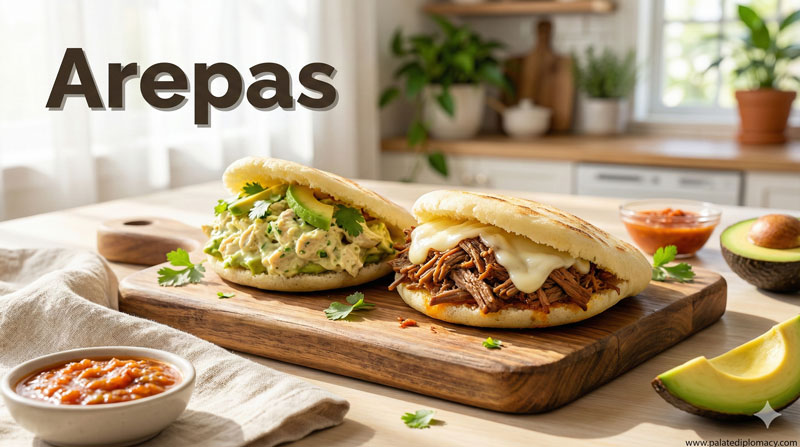
Celebrating Venezuelan Arepas: A Culinary Treasure
Venezuelan arepas are more than just a delicious dish; they are a vibrant symbol of cultural identity and culinary artistry. With their crispy exterior and soft, flavorful interior, arepas have become a staple in Venezuelan cuisine, enjoyed at any time of day. Their simple yet versatile nature makes them a beloved food that brings people together, creating a sense of community and shared tradition.
The Cultural Significance of Arepas
Arepas hold a special place in Venezuelan culture. They are more than food; they are a reflection of history, resilience, and creativity. Traditionally made from cornmeal, they embody the rich agricultural heritage of the region. Families often gather around to prepare and share arepas, turning meal preparation into a social event that nurtures bonds and celebrates heritage.
Their significance extends to various aspects of daily life, from breakfast to dinner, and even as Street Food. Arepas serve as a blank canvas for a variety of fillings and toppings, allowing for personal expression and culinary innovation. This adaptability has helped sustain their popularity across generations, making them a true icon of Venezuelan culinary tradition.
Culinary Significance and Variations
The beauty of Venezuelan arepas lies in their versatility. They can be baked, fried, grilled, or cooked on a griddle, each method imparting a unique flavor and texture. Traditionally, they are made from pre-cooked cornmeal, known as “harina precocida,” which simplifies preparation while maintaining authenticity.
Venezuelan cuisine celebrates numerous regional variations of arepas. Some are stuffed with cheese, shredded beef, or black beans, while others are topped with avocado, eggs, or even sweet ingredients like jam or fruit. These variations showcase the creativity and resourcefulness inherent in Venezuelan culinary culture.
Arepas also serve as a culinary bridge, connecting different regions and communities through their shared love of this adaptable dish. They symbolize unity through diversity, with each variation telling a story of local ingredients and flavor preferences.
Arepas as a Cultural Icon
Beyond the kitchen, arepas serve as a cultural icon that embodies regional pride. They are often featured in festivals, celebrations, and communal gatherings, reinforcing their role as a unifying element in Venezuelan life. The craft of making perfect arepas is passed down through generations, preserving traditional techniques and fostering a sense of continuity.
Moreover, arepas highlight the importance of simple ingredients elevated through skill and tradition. This dish exemplifies how humble elements can be transformed into a culinary masterpiece that resonates deeply with those who enjoy it. It celebrates the artistry of Venezuelan cooks and the enduring appeal of authentic flavors.
Embracing Arepas in Global Cuisine
Today, Venezuelan arepas are gaining recognition worldwide. Chefs and food enthusiasts appreciate their unique texture and endless possibilities for fillings and toppings. The dish’s universal appeal lies in its simplicity and adaptability, making it accessible to diverse palates and culinary styles.
By exploring Venezuelan arepas, people can gain insight into a rich culinary heritage that emphasizes flavor, tradition, and community. Whether enjoyed as a quick snack or a hearty meal, arepas continue to inspire culinary creativity and cultural pride around the globe.
Conclusion
Venezuelan arepas are more than a traditional dish—they are a vibrant expression of cultural identity and culinary ingenuity. Their versatility, significance, and deep-rooted traditions make them a beloved ingredient in Venezuelan life. As they continue to inspire food lovers worldwide, arepas serve as a delicious reminder of the richness and diversity of shared culinary heritage. Embrace this iconic dish and celebrate its timeless appeal in your own kitchen.