
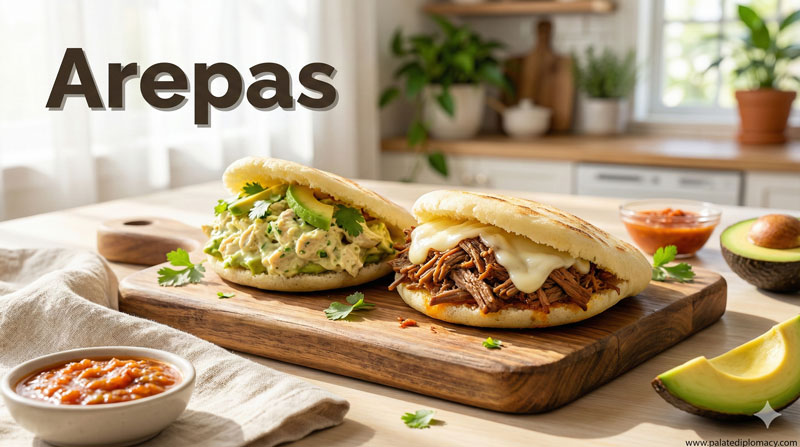
Venezuelan Arepas Recipe Performance Assessment: Celebrating a Culinary Icon
Venezuelan arepas are more than just a popular dish; they are a vibrant symbol of cultural identity and culinary artistry. Known for their versatility and rich history, these cornmeal treats hold a special place in Venezuelan hearts and on breakfast tables across the country. This blog explores the cultural significance and culinary value of arepas, highlighting why they are cherished and celebrated.
The Cultural Significance of Arepas in Venezuela
Arepas are deeply woven into the fabric of Venezuelan life. They are a staple food that brings families together and often takes center stage during daily meals. In Venezuela, the arepa is seen not just as food but as a symbol of community and tradition. Whether enjoyed for breakfast, lunch, or dinner, arepas are a unifying element that resonates with generations.
The preparation and sharing of arepas reflect a sense of hospitality and warmth. Local customs often include preparing fresh arepas for special gatherings, making them a cornerstone of social bonding. Their adaptability allows families to customize fillings and toppings, representing regional flavors and personal tastes, which further enriches their cultural importance.
Culinary Significance and Versatility
What makes Venezuelan arepas a culinary treasure is their remarkable versatility. Made primarily from cornmeal, they can be baked, grilled, fried, or boiled. The texture varies from soft and crumbly to crispy and firm, depending on regional preferences and personal techniques.
Arepas can be served plain or filled with a variety of ingredients, such as cheese, meats, avocados, or beans. This flexibility allows for endless flavor combinations, accommodating dietary preferences and occasions. Their simple yet satisfying nature makes them accessible to everyone, from busy families to gourmet chefs seeking to innovate.
Furthermore, the process of making arepas emphasizes craftsmanship and tradition. Skilled cooks master the art of achieving the perfect consistency and shape, transforming basic ingredients into a culinary masterpiece. The dish’s ability to adapt and evolve while maintaining its core identity underscores its enduring appeal.
Arepas in the Broader Culinary Landscape
Beyond Venezuela, arepas have gained international recognition as a culinary delight. Chefs worldwide incorporate them into diverse menus, showcasing their universal appeal. The dish’s comforting qualities, combined with their striking appearance and rich flavors, make them a favorite in contemporary cuisine.
Celebrating arepas involves appreciating their roots and the cultural stories they tell. They symbolize a connection to the land and the ingenuity of local ingredients. As a dish that bridges tradition and innovation, arepas continue to inspire culinary creativity while honoring their heritage.
Conclusion
Venezuelan arepas are more than just a food item; they are a cultural emblem that embodies community, tradition, and culinary ingenuity. Their versatility, rich history, and delicious flavors make them an enduring favorite in Venezuelan cuisine and beyond. Embracing the art of making and sharing arepas invites us to celebrate the beauty of simple, honest food that brings people together. Whether enjoyed plain or filled with delightful ingredients, arepas remain a testament to the vibrant culinary spirit of Venezuela.