
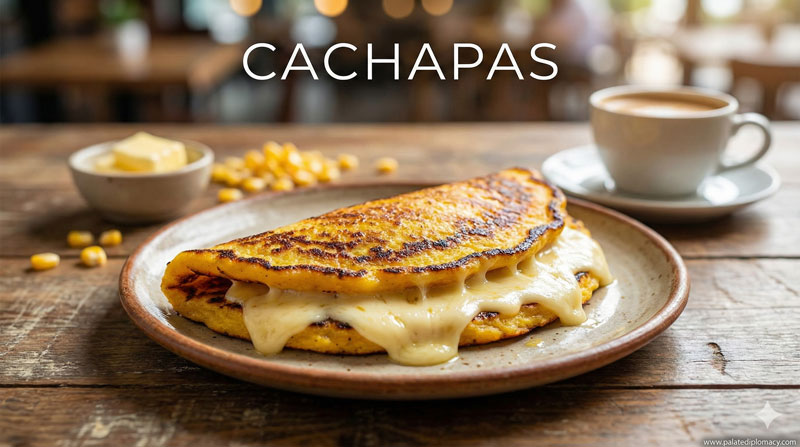
Exploring the Culinary Charm of Venezuelan Cachapas and Mexican Corn Pancakes
Food is a vibrant window into culture, history, and tradition. Among the many delights that showcase Latin America’s rich culinary heritage, Venezuelan Cachapas and Mexican Corn Pancakes stand out. Both dishes celebrate the humble corn kernel, transforming it into hearty, flavorful treats that hold deep cultural significance. While they share a common ingredient, each dish embodies unique flavors, preparation styles, and cultural stories that make them special.
The Cultural Roots of Venezuelan Cachapas
Venezuelan Cachapas are more than just a tasty snack — they are a symbol of regional pride and tradition. Originating from the lush plains and fertile valleys of Venezuela, cachapas are a reflection of the country’s agricultural roots. They are made from fresh, ground corn, giving them a sweet and earthy flavor that resonates with the land’s bounty. Traditionally, cachapas are enjoyed as a breakfast dish or snack, often topped with cheese or served with butter, allowing the natural sweetness of the corn to shine through.
Cachapas are deeply woven into Venezuelan culture. They are frequently prepared during family gatherings and celebrations, serving as a reminder of the country’s rich farming heritage. Their preparation involves a straightforward process that highlights the purity of fresh corn, emphasizing the importance of natural ingredients. Serving cachapas is often a communal experience, fostering a sense of connection and shared tradition among Venezuelans.
The Heart of Mexican Corn Pancakes
Mexican Corn Pancakes, known locally as tortitas de elote, celebrate the versatility of corn in Mexican cuisine. Popular across various regions, these pancakes are a staple during festivals and family meals. Made from fresh corn kernels blended with other simple ingredients, they embody the vibrant, lively spirit of Mexican cooking.
What makes Mexican Corn Pancakes particularly significant is their role in showcasing the diversity of Mexican culinary traditions. They can be enjoyed sweet or savory, often accompanied by toppings such as honey, cream, or cheese. Their soft, moist texture and subtle sweetness make them appealing to all ages. These pancakes also symbolize the deep-rooted agricultural practices of Mexico, where corn has been cultivated for thousands of years and has become a foundational element of culinary identity.
Shared Heritage, Unique Expressions
Both Venezuelan Cachapas and Mexican Corn Pancakes highlight the central role of corn in Latin American food culture. They are testament to the ingenuity of local communities in transforming a simple ingredient into dishes full of flavor and meaning. Despite their similarities, each dish offers a distinct experience — cachapas with their slightly sweet, cheesy richness, and Mexican pancakes with their versatility and tender crumb.
Culinarily, these dishes serve as bridges connecting generations, families, and communities. They are enjoyed not merely as food but as expressions of cultural pride and tradition. Each bite carries stories of land, harvest, and shared history, making them beloved staples in their respective countries.
Celebrating Latin America’s Corn-Based Treasures
Venezuelan Cachapas and Mexican Corn Pancakes demonstrate how the humble corn kernel can inspire culinary creativity and cultural identity. They invite us to appreciate the importance of culinary traditions that honor local ingredients and regional flavors. Whether enjoyed at dawn, during festivities, or as a comforting snack, these dishes embody the warmth and vibrancy of Latin American culinary artistry.
In exploring these two corn-based treats, we gain a deeper understanding of the rich cultural tapestries that define Latin America’s diverse food heritage. They remind us that food is more than sustenance — it is a celebration of identity, history, and community.
Embrace the Flavors and Stories
Next time you encounter Venezuelan Cachapas or Mexican Corn Pancakes, take a moment to savor their unique qualities. Recognize the cultural stories they carry, and appreciate the artistry behind their simple yet meaningful ingredients. These dishes are more than just meals; they are celebrations of tradition, craftsmanship, and the enduring love for corn in Latin America.