
Discovering the Cultural Significance of Venezuelan Soups Storage Methods
Venezuelan cuisine is renowned for its rich flavors and vibrant traditions, and one of its most cherished aspects is the way it preserves and stores soups. In Venezuela, soups are more than just a comforting dish—they are a vital part of daily life, family gatherings, and cultural expression. The storage methods used for these soups showcase the ingenuity and respect for culinary heritage that Venezuelans have cultivated over generations.
The Importance of Soups in Venezuelan Culture
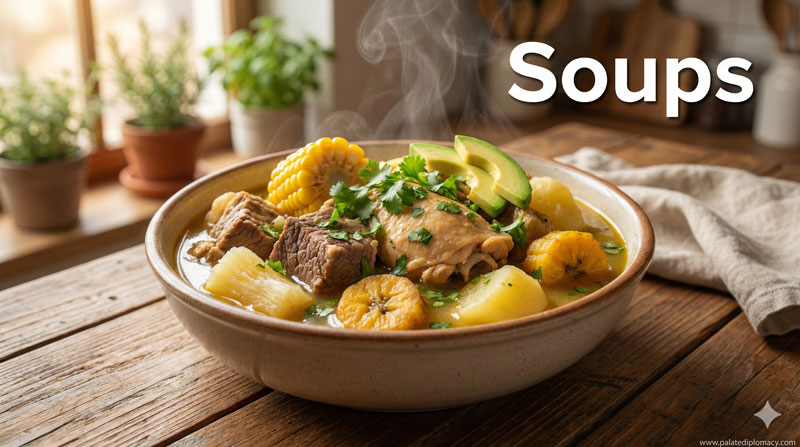
Soups hold a special place in Venezuelan Food culture. They are often prepared in large quantities to serve families and communities, emphasizing the importance of sharing and togetherness. Traditional Venezuelan soups, such as sancocho or pabellón soup, are hearty and flavorful, often incorporating local ingredients like plantains, yucca, and various fresh herbs. Because these soups are so integral to daily life, proper storage methods are essential to maintain their freshness, flavor, and nutritional value.
Traditional Storage Methods and Their Culinary Significance
Venezuelan culinary practices emphasize preserving soups in ways that retain their authentic taste and texture. One common method involves using earthenware or ceramic containers that help regulate temperature and moisture. These traditional vessels are appreciated for their natural insulating properties, which help keep soups fresh over longer periods.
Another prevalent technique is refrigerating soups in glass or plastic containers with airtight lids. This modern approach not only preserves the flavors but also prevents contamination, ensuring that the soups remain safe and delicious for future meals. Venezuelan cooks often prioritize prompt refrigeration after preparation to maintain the quality and safety of their beloved dishes.
The Role of Soups in Daily Life and Celebrations
Proper storage of soups reflects Venezuelans’ deep respect for their culinary roots. It allows families to enjoy home-cooked flavors throughout the week, even during busy days. Additionally, stored soups often serve as a base for future dishes, adding convenience and versatility to Venezuelan kitchens.
In celebrations and communal gatherings, preserved soups can be reheated and shared easily, reinforcing the cultural importance of hospitality and generosity. The way soups are stored and preserved becomes a symbol of care and tradition, linking generations through shared culinary practices.
Embracing the Heritage of Venezuelan Soups
The storage methods of Venezuelan soups highlight more than just practicality; they embody a cultural reverence for food and community. These practices ensure that the flavors of traditional recipes are preserved, allowing each generation to connect with their culinary heritage.
Whether stored in traditional earthenware or modern airtight containers, Venezuelan soups exemplify a beautiful balance of tradition and innovation. They reflect the country’s rich culinary tapestry and its commitment to maintaining authentic flavors in everyday life.
Conclusion
Venezuelan soups are much more than nourishment—they are a testament to cultural identity and community values. The thoughtful storage methods passed down through generations ensure that these flavors remain vibrant and meaningful. Exploring these practices offers a deeper appreciation for Venezuelan culinary artistry and the enduring importance of soups within its cultural landscape. Embrace the tradition, and savor the rich heritage embedded in every bowl.