
Discovering the Rich Culinary Heritage of Venezuelan Soups
Venezuelan soups are a fundamental part of the country’s vibrant culinary landscape. They reflect a rich history of local ingredients, traditional cooking methods, and regional flavors that have been passed down through generations. Exploring these soups offers a unique window into Venezuela’s diverse food culture. Whether served as a hearty breakfast, a comforting lunch, or a nourishing dinner, Venezuelan soups embody warmth, community, and culinary artistry.
Celebrating Flavors and Ingredients
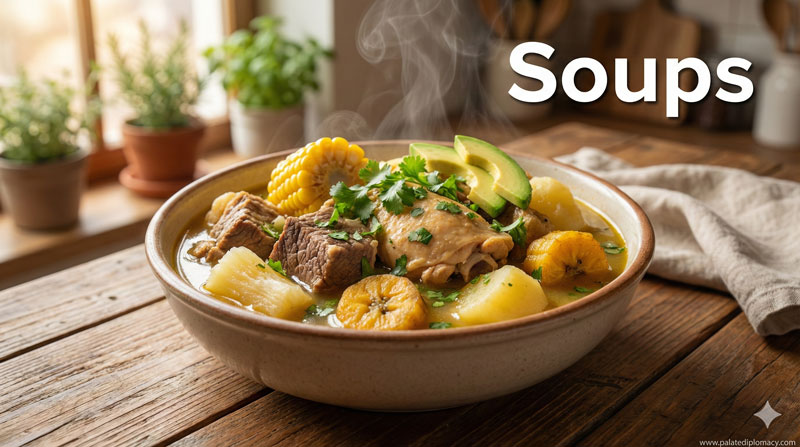
Venezuelan soups are celebrated for their bold flavors and use of fresh, local ingredients. Each region of Venezuela contributes its own specialties, incorporating ingredients like corn, plantains, yucca, beans, and fresh herbs. These ingredients come together in harmonious combinations that highlight the country’s agricultural bounty. For example, the popular “Pabellón Criollo” soup blends savory beef, plantains, and rice, creating a flavorful reflection of local staples. The use of simple, wholesome ingredients underscores the importance of fresh produce in Venezuelan cuisine.
Cultural Significance of Venezuelan Soups
Soups in Venezuela serve more than just nourishment; they are a symbol of hospitality and shared traditions. Preparing and sharing these dishes often brings families and communities together, fostering a sense of unity and cultural pride. Many traditional recipes are rooted in regional identities, showcasing the diverse landscapes and climates within the country. For instance, hearty bean and corn-based soups are common in Andean regions, while seafood soups are popular along the coast. These variations illustrate the adaptability and regional diversity of Venezuelan culinary practices.
A Culinary Heritage in Every Bowl
Venezuelan soups are a testament to the country’s culinary ingenuity and love for flavorful, comforting dishes. They incorporate a blend of indigenous ingredients and traditional techniques that have stood the test of time. The preparation of these soups often involves slow cooking and seasoning with local herbs and spices, which develop deep, layered flavors. This process highlights the importance of patience and craftsmanship in Venezuelan cooking.
The Invitation to Explore
Learning about Venezuelan soups opens a doorway to understanding the country’s culinary soul. Each bowl tells a story of tradition, regional identity, and the joy of sharing good food with loved ones. While recipes may vary, the essence remains the same: a celebration of authentic flavors and cultural heritage. This culinary exploration invites food lovers and cultural enthusiasts alike to appreciate the beauty and significance of Venezuelan soups.
Conclusion
Venezuelan soups hold a special place in the nation’s food culture. They symbolize more than just sustenance—they are a reflection of history, community, and regional pride. By exploring these dishes, one can gain a deeper appreciation for Venezuela’s culinary artistry and the stories each ingredient and preparation method conveys. Whether you are an aspiring chef or simply a lover of authentic flavors, Venezuelan soups offer a delicious and meaningful journey into the heart of Venezuelan cuisine.