
Exploring the Culinary Charm of Venezuelan Soups
Venezuelan cuisine is a vibrant tapestry of flavors, ingredients, and traditions. Among its most cherished culinary treasures are the diverse soups that warm both the body and soul. These soups are more than just dishes; they are reflections of cultural heritage, regional ingredients, and culinary ingenuity. Let’s delve into the world of Venezuelan soups and uncover their cultural significance and culinary brilliance.
The Rich Tradition of Venezuelan Soups
Venezuelan soups boast a long-standing tradition rooted in the country’s diverse landscapes and local produce. From the lush coastal regions to the fertile plains and mountainous terrains, each area contributes its unique ingredients and flavors. This regional diversity is beautifully represented in the variety of soups that populate Venezuelan tables.
Popular staples like pane de pollo (chicken bread soup) and sancocho highlight the importance of communal dining. These hearty dishes serve as cultural symbols of family gatherings and social bonds. The tradition of sharing hot, nourishing soups underscores the value placed on togetherness and hospitality in Venezuelan culture.
Culinary Significance and Iconic Varieties
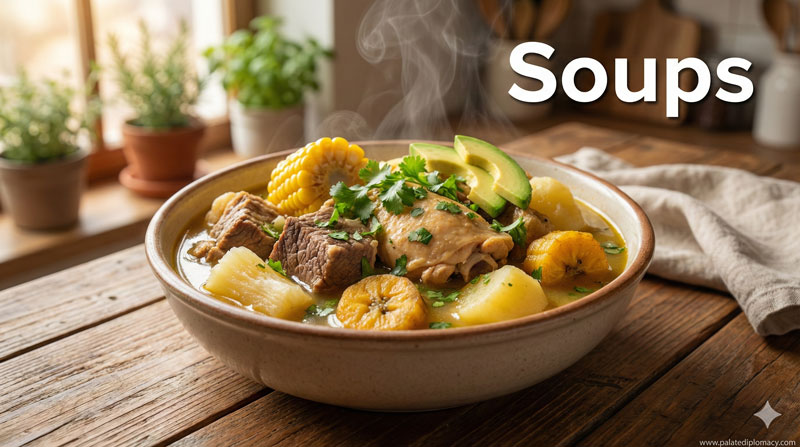
Venezuelan soups are celebrated for their hearty nature and rich flavors. Sancocho, a thick, savory stew, is often considered the national comfort food. It combines various root vegetables, corn, meats, and herbs, creating a nourishing experience that connects people to the land.
Another notable example is asado negro, a dark, flavorful beef soup infused with sweet and savory spices. Its deep color and complex taste embody the mastery of Venezuelan culinary techniques. Soups like these showcase an intricate balance of flavors that reflect the country’s appreciation for rich, layered tastes.
Ingredients that Speak of a Land’s Bounty
The ingredients used in Venezuelan soups tell stories of local agriculture and seasons. Corn, plantains, yuca, and fresh herbs frequently feature in these recipes, emphasizing the country’s agricultural richness. These ingredients not only add flavor but also symbolize a sustainable relationship with nature, highlighting the connection between land and cuisine.
Seafood-based soups are also prominent in coastal regions, offering a taste of the sea’s bounty. Clams, shrimp, and various fish are incorporated to create dishes that honor the vibrant marine ecosystem. These soups serve as a celebration of Venezuela’s maritime heritage and resourcefulness.
A Cultural Reflection and Culinary Art
Venezuelan soups encapsulate more than nutrition; they embody cultural identity and culinary artistry. The careful selection of ingredients, the slow simmering processes, and the harmonious blending of flavors reveal a deep respect for tradition and culinary craftsmanship.
They also serve as a canvas for innovation. Chefs and home cooks alike experiment with contemporary twists, incorporating new ingredients or presentation styles while honoring traditional flavors. This ongoing evolution ensures that Venezuelan soups remain relevant and continue to delight new generations.
Inviting You to Discover Venezuelan Soups
Exploring Venezuelan soups offers a window into the country’s rich culinary landscape. Each bowl is a testament to history, regional pride, and culinary creativity. Whether enjoyed during festive gatherings or quiet family meals, these soups are a symbol of warmth and cultural pride.
By appreciating the diversity and significance of Venezuelan soups, you can deepen your understanding of the country’s culinary soul. They remind us that food is much more than sustenance—it is a celebration of identity, community, and heritage.
Experience the magic of Venezuelan soups and embrace a journey through flavors that honor tradition while inviting innovation. These dishes remain a vital part of Venezuela’s cultural fabric and a delicious gateway to its vibrant culinary world.